THE ADVENTURE COLLECTIVE® · Independent discovery and booking for outdoor travel

Spend two hours with an expert guide through Tulsa’s Deco District, exploring landmark lobbies and façades shaped by the 1920s oil boom. Learn to read Art Deco details and discover lesser-known interiors off the main avenue.
Spend two hours with an expert guide through Tulsa’s Deco District, exploring landmark lobbies and façades shaped by the 1920s oil boom. Learn to read Art Deco details and discover lesser-known interiors off the main avenue.
You step out of Topeca Coffee with a steaming cup and the city’s geometry waiting: vertical bands of limestone, stepped setbacks, and metalwork that catches the morning light. The guide unhooks a story from a carved frieze and the Philtower seems to lean in, eager to tell you about the men who funded it.
Verified experiences and guided adventures in the surrounding area.
Operated by Tulsa Tours · Tulsa, Oklahoma
You step out of Topeca Coffee with a steaming cup and the city’s geometry waiting: vertical bands of limestone, stepped setbacks, and metalwork that catches the morning light. The guide unhooks a story from a carved frieze and the Philtower seems to lean in, eager to tell you about the men who funded it.
Tulsa’s Art Deco pulse traces to the 1920s oil boom; the city’s sudden wealth paid for bold façades, geometric ornament, and lavish lobbies. Beneath the ornament lies Oklahoma’s prairie and layered sandstone bedrock — silent foundations that made the early skyscrapers possible and the city’s grid straightforward to lay down.
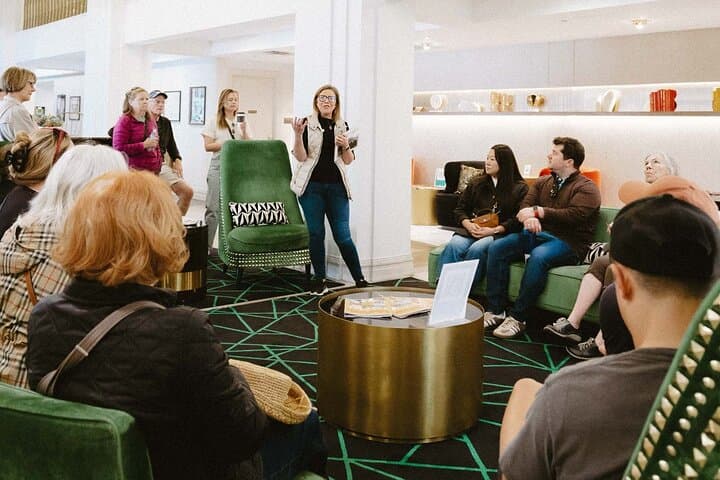
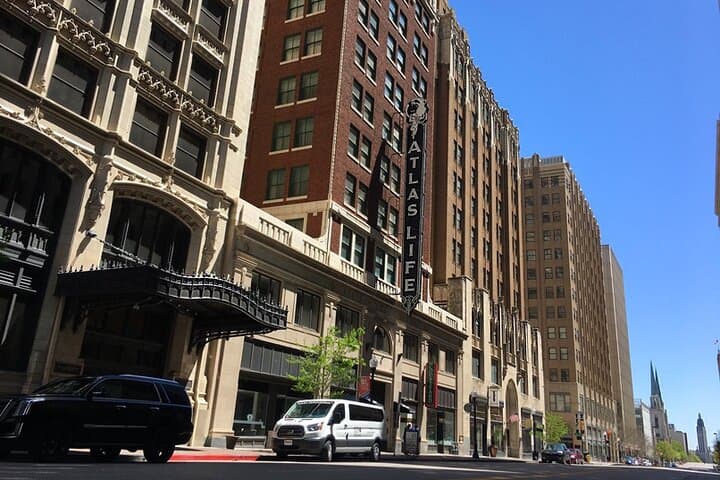
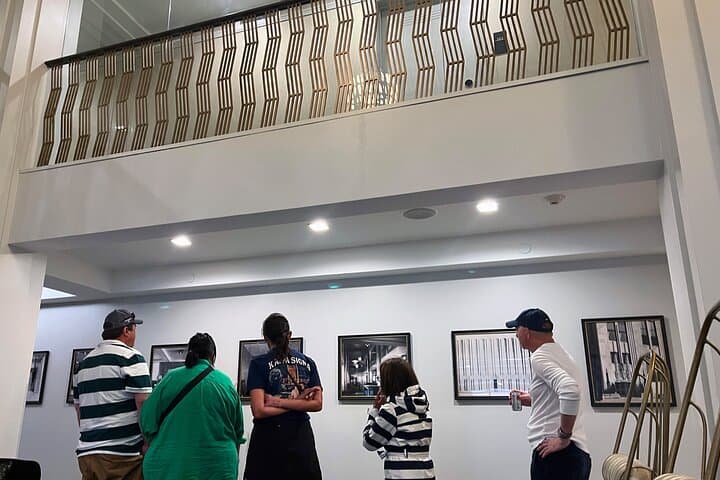
On this two‑hour walk through the Deco District you’ll move from exterior details to interior lobbies at select stops: Atlas Life, Philcade, Philtower, Tulsa Club and the Pythian. The tour explains stylistic features — chevrons, ziggurat profiles, terra cotta glazing — and ties them to local culture: fraternal halls, telephone company showpieces, and oil company headquarters that wanted to look modern.
Practical notes: expect two hours of easy walking on sidewalks with short stair entries on some buildings; tours run Saturday mornings with seasonal start times. Bring a refillable bottle, comfortable shoes, and a camera — but be mindful of private lobbies and photography rules. The guide gives close-up reading of architectural elements, but also points out quieter details: original light fixtures, tile patterns, and rooftop silhouettes that reward a second look.
This is a concise, interpretive walk designed for anyone curious about design, local history, or how a midwestern oil boom shaped an enduring urban skyline.
easy.
2 hours.
Light activity level; suitable for most ages and moderate mobility, though some stair access may be required.
The tour is approximately two hours and meets at the storefront at 511 S Boston Ave in the Deco District.
The tour is suitable for most fitness levels and uses sidewalks, but some building interiors have steps; contact the operator ahead of time for specific accessibility accommodations.
Photography rules vary by building; the guide will indicate where interior photos are allowed and where to avoid photographing private spaces.
Yes; the walk is family-friendly though younger children should be able to manage two hours of walking or be carried when entrances have stairs.
Tulsa’s concentration of Art Deco stems from rapid growth during the early 20th‑century oil boom, which funded ornate commercial and fraternal buildings.
Preservation groups actively restore historic façades and lobbies; visitors help by staying on public walkways, avoiding touching historic finishes, and following property rules.
Tulsa Tours operates guided outdoor trips and adventures with an emphasis on safety, stewardship, and memorable experiences.
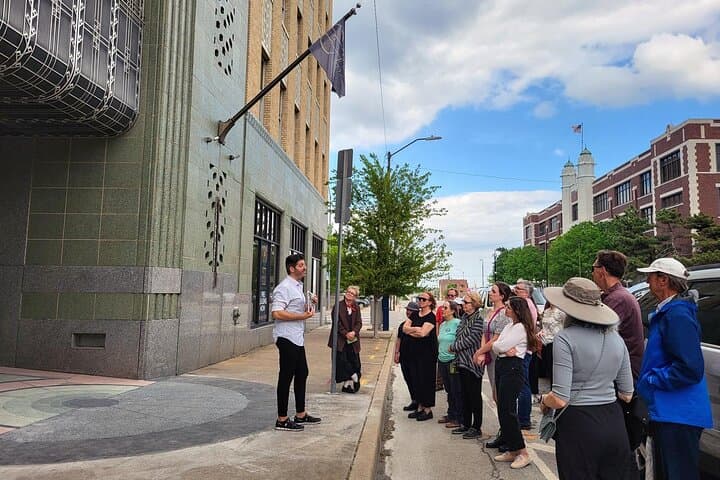
You step out of Topeca Coffee with a steaming cup and the city’s geometry waiting: vertical bands of limestone, stepped setbacks, and metalwork that catches the morning light. The guide unhooks a story from a carved frieze and the Philtower seems to lean in, eager to tell you about the men who funded it.
You step out of Topeca Coffee with a steaming cup and the city’s geometry waiting: vertical bands of limestone, stepped setbacks, and metalwork that catches the morning light. The guide unhooks a story from a carved frieze and the Philtower seems to lean in, eager to tell you about the men who funded it.
Tulsa’s Art Deco pulse traces to the 1920s oil boom; the city’s sudden wealth paid for bold façades, geometric ornament, and lavish lobbies. Beneath the ornament lies Oklahoma’s prairie and layered sandstone bedrock — silent foundations that made the early skyscrapers possible and the city’s grid straightforward to lay down.
On this two‑hour walk through the Deco District you’ll move from exterior details to interior lobbies at select stops: Atlas Life, Philcade, Philtower, Tulsa Club and the Pythian. The tour explains stylistic features — chevrons, ziggurat profiles, terra cotta glazing — and ties them to local culture: fraternal halls, telephone company showpieces, and oil company headquarters that wanted to look modern.
Practical notes: expect two hours of easy walking on sidewalks with short stair entries on some buildings; tours run Saturday mornings with seasonal start times. Bring a refillable bottle, comfortable shoes, and a camera — but be mindful of private lobbies and photography rules. The guide gives close-up reading of architectural elements, but also points out quieter details: original light fixtures, tile patterns, and rooftop silhouettes that reward a second look.
This is a concise, interpretive walk designed for anyone curious about design, local history, or how a midwestern oil boom shaped an enduring urban skyline.