THE ADVENTURE COLLECTIVE® · Independent discovery and booking for outdoor travel

Spend a private day from Amsterdam cruising narrow canals in Giethoorn and winding through 2,000 hectares of Dutch tulip fields. This private tour combines floral spectacle with quiet waterways, plus a one‑hour canal cruise and flexible field access.
Spend a private day from Amsterdam cruising narrow canals in Giethoorn and winding through 2,000 hectares of Dutch tulip fields. This private tour combines floral spectacle with quiet waterways, plus a one‑hour canal cruise and flexible field access.
You step out of the car onto a lane lined with rows of colour—scarlet, butter yellow, and purple—each bed humming with a faint, earthy sweetness. The air here is cool and clean; the flat Dutch horizon opens like a stage. Later, in Giethoorn, wooden bridges arc over narrow canals and a silent whisper of boat motors guides you past rickety thatch-roofed houses. The day moves between cultivated geometry and village calm.
Verified experiences and guided adventures in the surrounding area.
Operated by MyWeekendTrip · Giethoorn, Overijssel
You step out of the car onto a lane lined with rows of colour—scarlet, butter yellow, and purple—each bed humming with a faint, earthy sweetness. The air here is cool and clean; the flat Dutch horizon opens like a stage. Later, in Giethoorn, wooden bridges arc over narrow canals and a silent whisper of boat motors guides you past rickety thatch-roofed houses. The day moves between cultivated geometry and village calm.
The tulip fields around Lisse and the bulb region grew from 16th‑century trade and intensive bulb cultivation; the simple, flat polders are engineered land reclaimed from peat, their soils ideal for bulb growth. Giethoorn began as a peat-diggers' settlement and keeps that water-first culture—no cars on many channels, only boats and footbridges. Together the sites show two sides of Dutch landscape management: deliberate agriculture and human-scaled waterways.
Practically, expect a full 8‑hour outing with short walks, photo stops, and an included one‑hour canal cruise. Peak visual impact runs April for tulips, but early/late April can still offer blooms with fewer crowds. Wear sturdy walking shoes for damp paths between fields and bring a windproof layer—the coastally influenced weather flips fast. If you hope to pluck a tulip, check with your guide: permissions vary by farm and season. The Giethoorn cruise is calm but bring a light waterproof—spray and mist happen when boats glide under bridges. Timing your visit early in the day rewards softer light and quieter canals.
easy.
8 hours.
Suitable for people comfortable with short walks and standing; not strenuous but all-day touring requires basic stamina
Mid-April is usually peak for the bulb region, though early to late April can still be excellent depending on the year and weather.
Sometimes—plucking permissions depend on the farm and season; your guide will confirm access on the day.
Yes, the one-hour boat ride is calm and family-friendly; infant seats are available for road transfers on request.
Most places accept cards, but a small amount of euros can help for market stalls or tips in smaller shops.
The bulb industry expanded in the 17th century and transformed reclaimed peatlands into the neat fields seen today; Giethoorn grew from peat-cutting settlements where canals were the primary roads.
Stay on marked paths in fields to avoid crop damage and use provided disposal points—local farms and village groups work to balance tourism with agricultural cycles.
MyWeekendTrip operates guided outdoor trips and adventures with an emphasis on safety, stewardship, and memorable experiences.

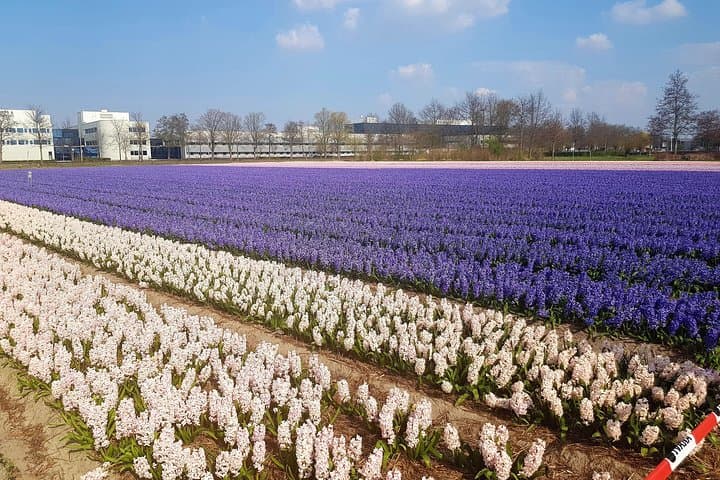
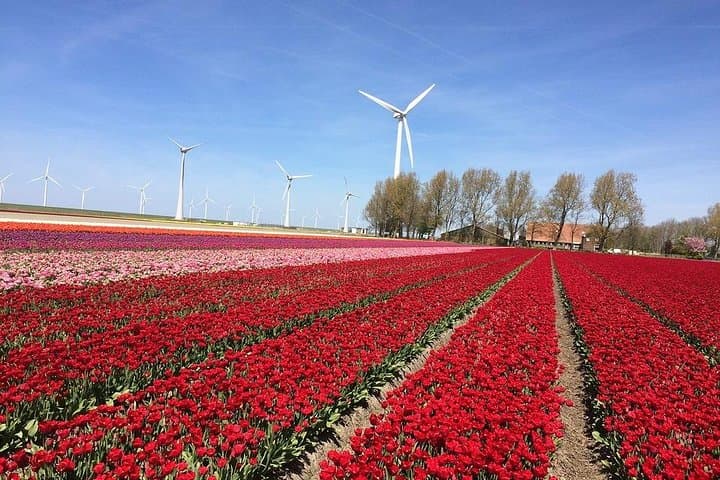
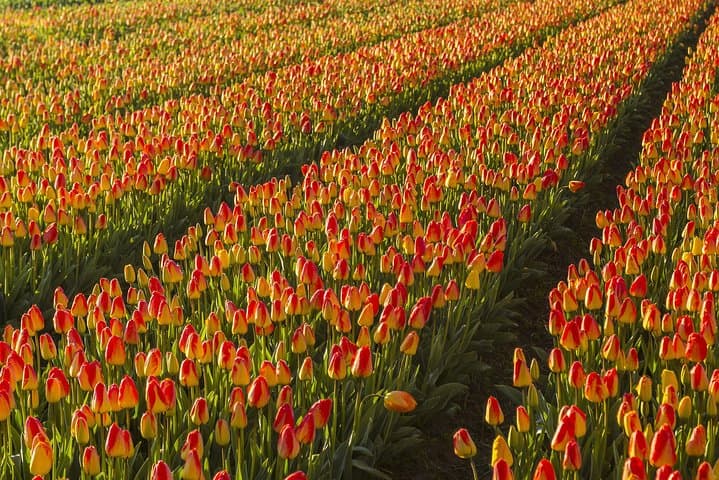
You step out of the car onto a lane lined with rows of colour—scarlet, butter yellow, and purple—each bed humming with a faint, earthy sweetness. The air here is cool and clean; the flat Dutch horizon opens like a stage. Later, in Giethoorn, wooden bridges arc over narrow canals and a silent whisper of boat motors guides you past rickety thatch-roofed houses. The day moves between cultivated geometry and village calm.
You step out of the car onto a lane lined with rows of colour—scarlet, butter yellow, and purple—each bed humming with a faint, earthy sweetness. The air here is cool and clean; the flat Dutch horizon opens like a stage. Later, in Giethoorn, wooden bridges arc over narrow canals and a silent whisper of boat motors guides you past rickety thatch-roofed houses. The day moves between cultivated geometry and village calm.
The tulip fields around Lisse and the bulb region grew from 16th‑century trade and intensive bulb cultivation; the simple, flat polders are engineered land reclaimed from peat, their soils ideal for bulb growth. Giethoorn began as a peat-diggers' settlement and keeps that water-first culture—no cars on many channels, only boats and footbridges. Together the sites show two sides of Dutch landscape management: deliberate agriculture and human-scaled waterways.
Practically, expect a full 8‑hour outing with short walks, photo stops, and an included one‑hour canal cruise. Peak visual impact runs April for tulips, but early/late April can still offer blooms with fewer crowds. Wear sturdy walking shoes for damp paths between fields and bring a windproof layer—the coastally influenced weather flips fast. If you hope to pluck a tulip, check with your guide: permissions vary by farm and season. The Giethoorn cruise is calm but bring a light waterproof—spray and mist happen when boats glide under bridges. Timing your visit early in the day rewards softer light and quieter canals.