THE ADVENTURE COLLECTIVE® · Independent discovery and booking for outdoor travel

Dive straight from the shore into Bali’s most famous wreck, the USS Liberty, where rust and reef become habitat. This accessible shore dive offers dramatic coral growth, abundant fish life, and easy entry for certified divers.
Dive straight from the shore into Bali’s most famous wreck, the USS Liberty, where rust and reef become habitat. This accessible shore dive offers dramatic coral growth, abundant fish life, and easy entry for certified divers.
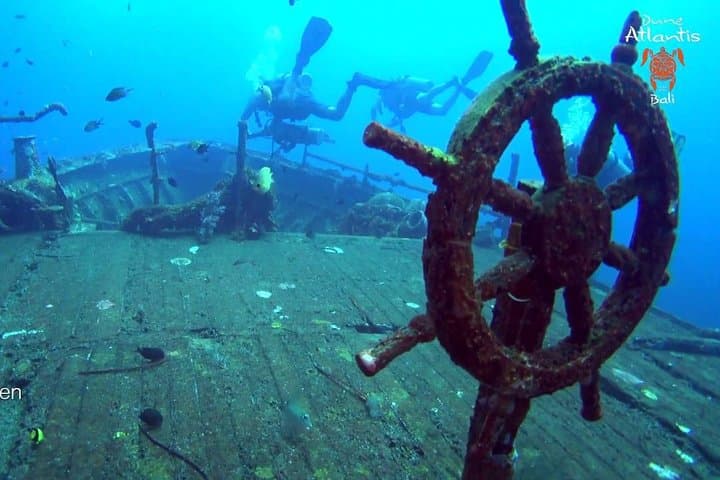
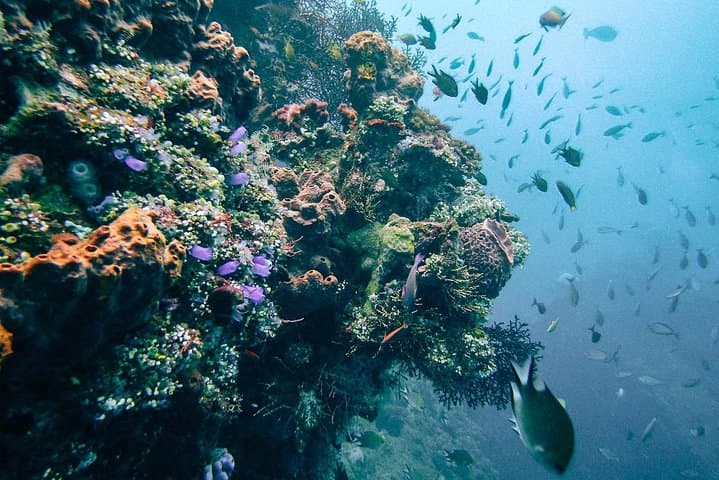
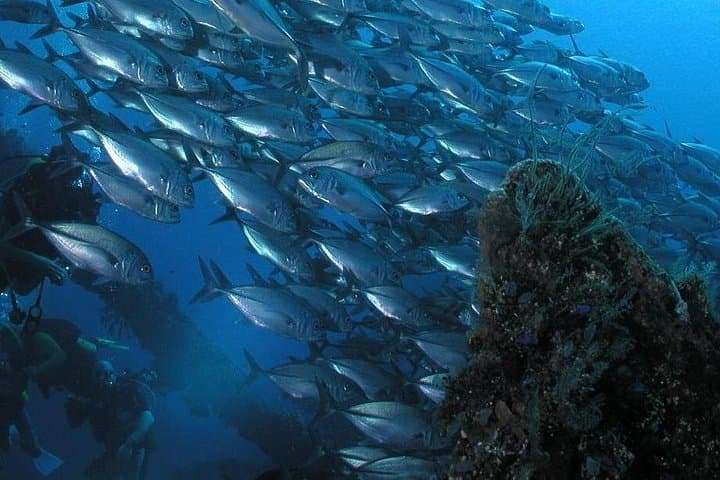
The reef opens like a living map as you enter from the black-sand shore—coral fingers brushing the hull and schools of fish peeling away like pages. Visibility often clears to reveal the long silhouette of the Liberty, its rusted ribs now a vertical garden between 10 and 30 meters.
Verified experiences and guided adventures in the surrounding area.
Operated by Rio Bali Tours · Tulamben, Bali
The reef opens like a living map as you enter from the black-sand shore—coral fingers brushing the hull and schools of fish peeling away like pages. Visibility often clears to reveal the long silhouette of the Liberty, its rusted ribs now a vertical garden between 10 and 30 meters.
The wreck is a WWII-era cargo ship that transformed from maritime debris into Bali’s most celebrated dive site after local divers began exploring it in the 1980s. Geologically, Tulamben sits on volcanic slopes that drop quickly to deeper ocean, so the wreck lies where offshore currents deposit nutrient-rich water and coral grows fast. Locally, fishing villages such as Tulamben and nearby Amed have woven diving into their coastal culture—boat crews, guides, and small cafés support the steady stream of visitors.
Expect an easy shore entry, a largely flat seabed around the bow, and swim-throughs where soft corals animate the wreck. Marine life is prolific: schooling fusiliers, bumphead parrotfish, pygmy seahorses tucked into coral, and the occasional reef shark on patrol. Depth ranges make this site suitable for novice certified divers up to advanced, but standard dive safety applies.
Practical guidance: bring a dive computer and check your buoyancy before exploring interior sections. Plan two tanks to make the most of the site, schedule dives early for calmer seas and cleaner visibility, and avoid touching coral—this wreck is both fragile and vital to the reef.
moderate.
4–6 hours.
Moderate fitness: able to carry kit, perform shore entry and moderate swim distances between entry and wreck.
Yes—most operators require proof of Open Water certification for full dives; try a guided Discover Scuba option only if offered and you meet medical criteria.
The wreck lies between about 10–30 meters; shallow sections and guided profiles make it suitable for certified beginners with proper guidance.
The Liberty lies approximately 50 meters off the black-sand shore and is commonly accessed by shore entry with a short swim; some operators use small boats for convenience.
Mornings during the dry season (April–October) generally offer the clearest water and gentler conditions for diving the wreck.
The wreck—known locally as the Liberty—became a popular dive site after divers began exploring it in the 1980s; it’s now a core part of Tulamben’s dive culture.
Avoid touching coral and use reef-safe sunscreen; local dive shops participate in reef cleanups and sustainable tourism helps support fishermen transitioning to guiding.
Rio Bali Tours operates guided outdoor trips and adventures with an emphasis on safety, stewardship, and memorable experiences.

The reef opens like a living map as you enter from the black-sand shore—coral fingers brushing the hull and schools of fish peeling away like pages. Visibility often clears to reveal the long silhouette of the Liberty, its rusted ribs now a vertical garden between 10 and 30 meters.
The reef opens like a living map as you enter from the black-sand shore—coral fingers brushing the hull and schools of fish peeling away like pages. Visibility often clears to reveal the long silhouette of the Liberty, its rusted ribs now a vertical garden between 10 and 30 meters.
The wreck is a WWII-era cargo ship that transformed from maritime debris into Bali’s most celebrated dive site after local divers began exploring it in the 1980s. Geologically, Tulamben sits on volcanic slopes that drop quickly to deeper ocean, so the wreck lies where offshore currents deposit nutrient-rich water and coral grows fast. Locally, fishing villages such as Tulamben and nearby Amed have woven diving into their coastal culture—boat crews, guides, and small cafés support the steady stream of visitors.
Expect an easy shore entry, a largely flat seabed around the bow, and swim-throughs where soft corals animate the wreck. Marine life is prolific: schooling fusiliers, bumphead parrotfish, pygmy seahorses tucked into coral, and the occasional reef shark on patrol. Depth ranges make this site suitable for novice certified divers up to advanced, but standard dive safety applies.
Practical guidance: bring a dive computer and check your buoyancy before exploring interior sections. Plan two tanks to make the most of the site, schedule dives early for calmer seas and cleaner visibility, and avoid touching coral—this wreck is both fragile and vital to the reef.