THE ADVENTURE COLLECTIVE® · Independent discovery and booking for outdoor travel

Two shore dives at Tulamben place you within fin-kicks of the USAT Liberty wreck and nearby coral gardens. Expect a full-day shore-based operation ideal for certified divers who prize macro life and accessible wreck swim-throughs.
Two shore dives at Tulamben place you within fin-kicks of the USAT Liberty wreck and nearby coral gardens. Expect a full-day shore-based operation ideal for certified divers who prize macro life and accessible wreck swim-throughs.
The black-sand beach at Tulamben opens like a stage at first light — fins slap water, breath fogs the surface, and the rusting silhouette of the USAT Liberty crouches a few fin-kicks off shore. On a calm morning the wreck's bow sits in blue shallow water while the stern slides toward a deeper reef, coral and schooling fish folding around every beam and porthole.
Verified experiences and guided adventures in the surrounding area.
Operated by Zero Gravity Diving · Tulamben, Bali
The black-sand beach at Tulamben opens like a stage at first light — fins slap water, breath fogs the surface, and the rusting silhouette of the USAT Liberty crouches a few fin-kicks off shore. On a calm morning the wreck's bow sits in blue shallow water while the stern slides toward a deeper reef, coral and schooling fish folding around every beam and porthole.
The Liberty began life as a U.S. Army transport and was torpedoed in 1942; years later an eruption of Mount Agung shifted the wreck onto the reef where it now provides habitat for hard and soft corals. Geologically this stretch of Bali is volcanic: black sand shores, steep reef drop-offs, and nutrient pulses that make both macro life and pelagic visitors likely.
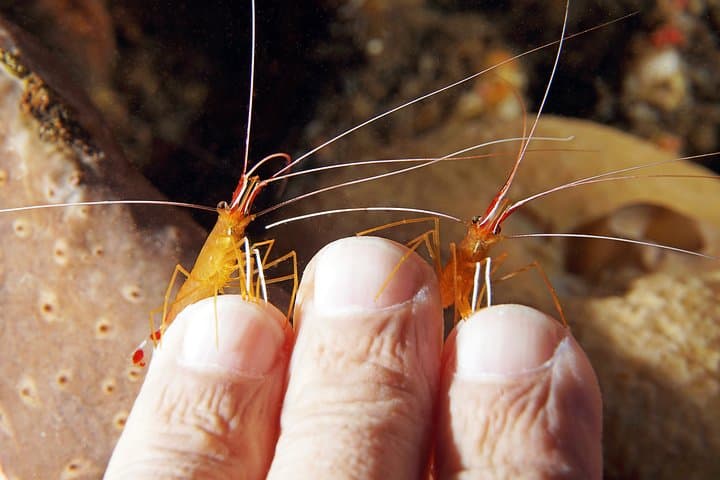
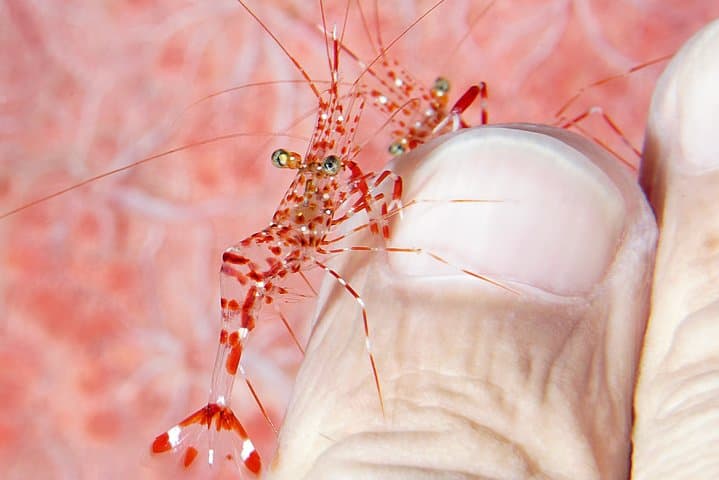
Locally, Tulamben is a quiet fishing village where small restaurants on the beach double as dive staging areas — lunch, hot showers, and gear rinses are part of the rhythm. The site offers two distinct pleasures: the iconic wreck dive that ranges from shallow roof-top swims to deeper swim-throughs, and adjacent coral gardens that reward patience with nudibranchs, shrimp, and pygmy seahorses.
Practical notes: this is a certified-diver shore operation with shore entries from a beach restaurant; expect a full-day schedule (hotel pickup ~7:30am, return mid/late afternoon). Bring your certification card and logbook, a reef-safe sunscreen, and stable buoyancy — many of the most photogenic subjects live within arm's reach of the wreck. If you’re shooting macro, reels and good light will make the difference between a snapshot and a frame-worthy image.
moderate.
9–10 hours.
Reasonable mobility for shore entries, ability to carry light gear and perform repeated descent/ascent; comfortable with 1–2 hours of moderate physical activity.
Yes — this excursion is for certified divers only; you must present your Open Water certification card and complete the PADI medical form if required.
The wreck spans shallow to moderate depths — parts sit around 5–10m while areas of the stern descend to 30m; dive profiles depend on group plans and certifications.
Typical inclusions are hotel pickup, use of scuba equipment, bottled water, lunch at the beach restaurant, shower and towel use, and dive guides at a ratio of about 1:4 for certified divers.
Visibility is generally clearest during the dry season (roughly May–September), though calm mornings year-round often offer the best conditions for wreck penetration and macro photography.
The USAT Liberty was a U.S. Army cargo ship damaged in 1942 and eventually beached at Tulamben; later seismic activity and volcanic action moved the hull into its current reef position.
Coral bleaching and anchor damage are ongoing concerns; divers are encouraged to use moorings, practice neutral buoyancy, and support local reef restoration or beach-clean initiatives.
Zero Gravity Diving operates guided outdoor trips and adventures with an emphasis on safety, stewardship, and memorable experiences.
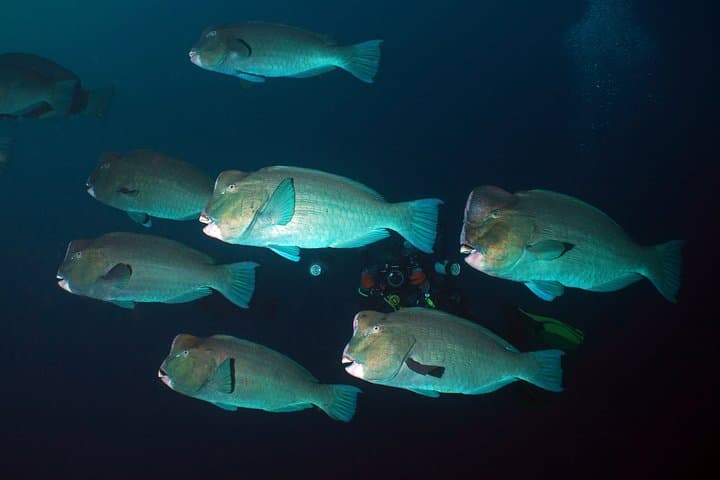
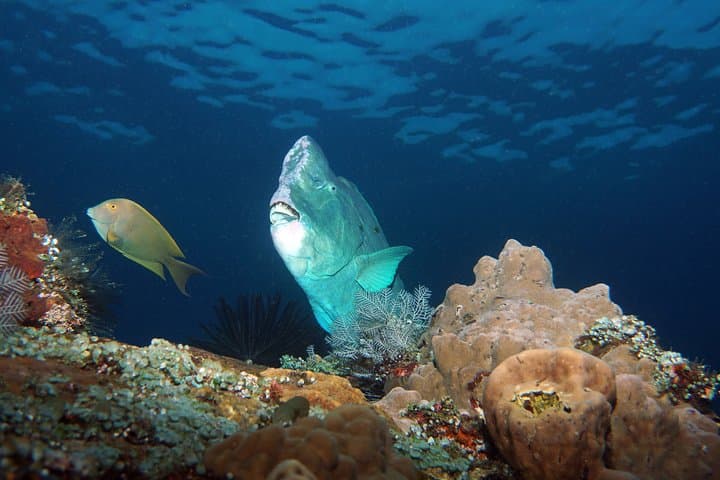
The black-sand beach at Tulamben opens like a stage at first light — fins slap water, breath fogs the surface, and the rusting silhouette of the USAT Liberty crouches a few fin-kicks off shore. On a calm morning the wreck's bow sits in blue shallow water while the stern slides toward a deeper reef, coral and schooling fish folding around every beam and porthole.
The black-sand beach at Tulamben opens like a stage at first light — fins slap water, breath fogs the surface, and the rusting silhouette of the USAT Liberty crouches a few fin-kicks off shore. On a calm morning the wreck's bow sits in blue shallow water while the stern slides toward a deeper reef, coral and schooling fish folding around every beam and porthole.
The Liberty began life as a U.S. Army transport and was torpedoed in 1942; years later an eruption of Mount Agung shifted the wreck onto the reef where it now provides habitat for hard and soft corals. Geologically this stretch of Bali is volcanic: black sand shores, steep reef drop-offs, and nutrient pulses that make both macro life and pelagic visitors likely.
Locally, Tulamben is a quiet fishing village where small restaurants on the beach double as dive staging areas — lunch, hot showers, and gear rinses are part of the rhythm. The site offers two distinct pleasures: the iconic wreck dive that ranges from shallow roof-top swims to deeper swim-throughs, and adjacent coral gardens that reward patience with nudibranchs, shrimp, and pygmy seahorses.
Practical notes: this is a certified-diver shore operation with shore entries from a beach restaurant; expect a full-day schedule (hotel pickup ~7:30am, return mid/late afternoon). Bring your certification card and logbook, a reef-safe sunscreen, and stable buoyancy — many of the most photogenic subjects live within arm's reach of the wreck. If you’re shooting macro, reels and good light will make the difference between a snapshot and a frame-worthy image.