THE ADVENTURE COLLECTIVE® · Independent discovery and booking for outdoor travel

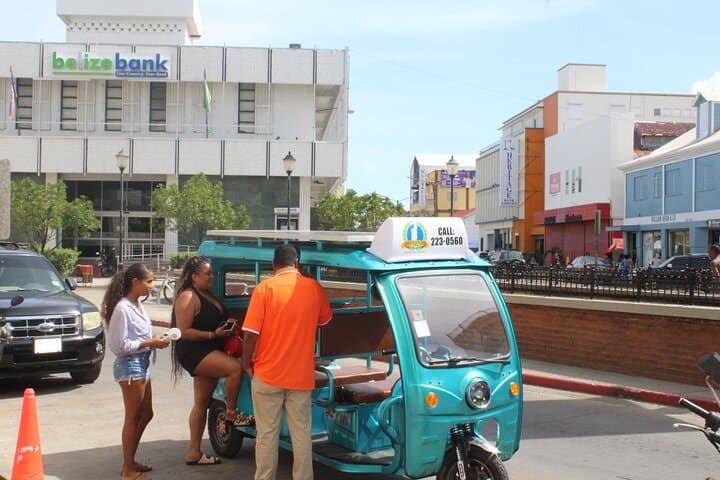
Explore Belize City by electric tuk-tuk: museum visits, a rum-distillery tour with tasting, a scenic harbor stop and local art—all in about 2–3 hours. Perfect for travelers seeking a concise, on-foot-friendly cultural overview.
Explore Belize City by electric tuk-tuk: museum visits, a rum-distillery tour with tasting, a scenic harbor stop and local art—all in about 2–3 hours. Perfect for travelers seeking a concise, on-foot-friendly cultural overview.
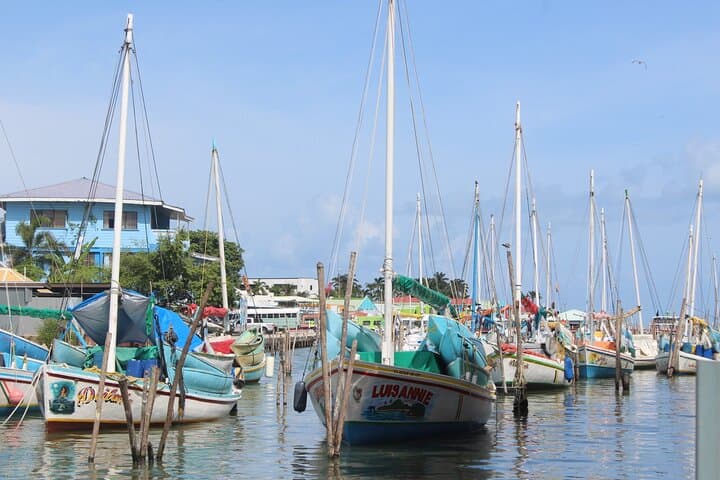
The tuk-tuk hums through Belize City’s compact grid as sunlight skinks off the harbor; salt air and the distant call of gulls set the pace. In two focused hours the guide moves visitors across civic landmarks, from the stately bones of a colonial prison to an intimate gallery of contemporary Belizean art.
Verified experiences and guided adventures in the surrounding area.
Operated by TukTuk Belize Tours · Belize City, Belize District
The tuk-tuk hums through Belize City’s compact grid as sunlight skinks off the harbor; salt air and the distant call of gulls set the pace. In two focused hours the guide moves visitors across civic landmarks, from the stately bones of a colonial prison to an intimate gallery of contemporary Belizean art.
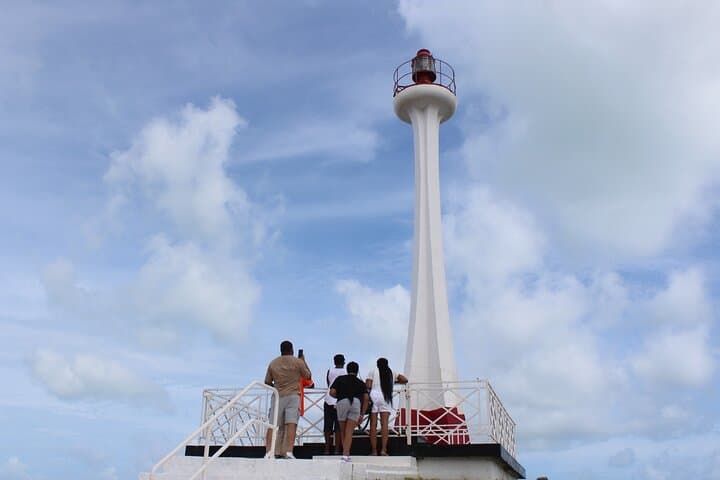
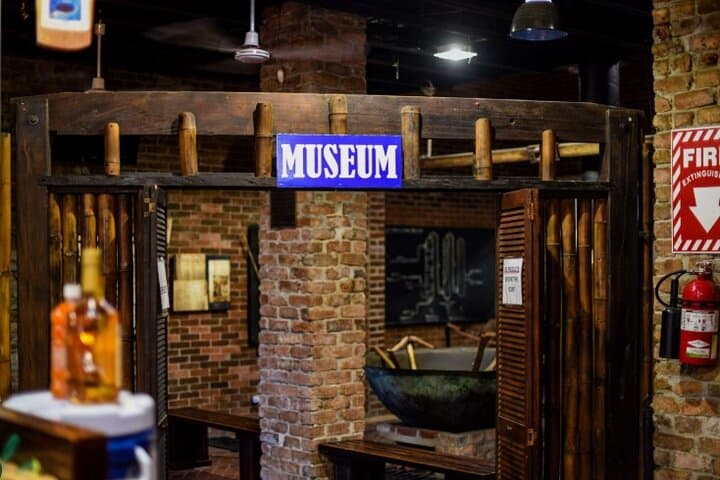
The Museum of Belize occupies a former prison and presents Mayan artifacts, colonial-era objects, and exhibits tracing the nation’s march to independence. Nearby, the Travellers Rum Museum maps local distilling traditions—malt and molasses, casks and craft—and ends with a short tasting that ties flavor to history. A pause at Baron Bliss Lighthouse gives coastal context: the harbor’s rise shaped the city’s commerce and cultural mixing.
Belize City’s flat limestone shelf and coastal mangrove edge explain both its urban layout and the shifting shoreline that shaped trade routes. Along the way, colonial-era architecture, St. John’s Cathedral and the Swing Bridge reveal a layered social history: Creole, Mestizo, Garifuna and Maya influences visible in storefronts and public spaces.
Practicalities: tours start mid-morning, include museum entry and bottled water, and operate on compact electric tuk-tuks—comfortable, shaded, and walkable between short stops. Bring photo ID for the rum tasting, wear closed-toe shoes for uneven sidewalks, and plan the visit in the dry season (Nov–Apr) for fewer interruptions. The pace is easy and accessible—an efficient cultural primer for travelers who want history, art and a local sip without leaving the city.
easy.
2–3 hours.
Suitable for most fitness levels; involves short walks and standing during exhibits.
The guided tuk-tuk tour runs about 2–3 hours (roughly 150 minutes) and includes museum visits and a rum tasting.
Yes; the itinerary is rated easy and suitable for most ages, though infants must sit on laps and the rum tasting is for adults only.
Guides typically speak English; check booking details if you require another language or a private guide.
Full refund available if canceled at least 24 hours before departure; tours may be canceled for bad weather or insufficient travelers.
Belize City grew from a 17th–18th century logging and shipping hub; the Museum of Belize occupies a former colonial prison that now houses Maya artifacts and colonial records.
Coastal mangroves around the harbor are vital for fisheries and storm protection; visitors are encouraged to avoid littering and support local businesses that practice sustainable sourcing.
TukTuk Belize Tours operates guided outdoor trips and adventures with an emphasis on safety, stewardship, and memorable experiences.
The tuk-tuk hums through Belize City’s compact grid as sunlight skinks off the harbor; salt air and the distant call of gulls set the pace. In two focused hours the guide moves visitors across civic landmarks, from the stately bones of a colonial prison to an intimate gallery of contemporary Belizean art.
The tuk-tuk hums through Belize City’s compact grid as sunlight skinks off the harbor; salt air and the distant call of gulls set the pace. In two focused hours the guide moves visitors across civic landmarks, from the stately bones of a colonial prison to an intimate gallery of contemporary Belizean art.
The Museum of Belize occupies a former prison and presents Mayan artifacts, colonial-era objects, and exhibits tracing the nation’s march to independence. Nearby, the Travellers Rum Museum maps local distilling traditions—malt and molasses, casks and craft—and ends with a short tasting that ties flavor to history. A pause at Baron Bliss Lighthouse gives coastal context: the harbor’s rise shaped the city’s commerce and cultural mixing.
Belize City’s flat limestone shelf and coastal mangrove edge explain both its urban layout and the shifting shoreline that shaped trade routes. Along the way, colonial-era architecture, St. John’s Cathedral and the Swing Bridge reveal a layered social history: Creole, Mestizo, Garifuna and Maya influences visible in storefronts and public spaces.
Practicalities: tours start mid-morning, include museum entry and bottled water, and operate on compact electric tuk-tuks—comfortable, shaded, and walkable between short stops. Bring photo ID for the rum tasting, wear closed-toe shoes for uneven sidewalks, and plan the visit in the dry season (Nov–Apr) for fewer interruptions. The pace is easy and accessible—an efficient cultural primer for travelers who want history, art and a local sip without leaving the city.