THE ADVENTURE COLLECTIVE® · Independent discovery and booking for outdoor travel

Hop a tuk-tuk for a brisk coastal spin around Port Elizabeth that pairs seaside vistas with a visit to SANCCOB’s penguin rehabilitation center and the Cape Recife lighthouse. Expect short walks, strong coastal winds, and excellent photo opportunities.
Hop a tuk-tuk for a brisk coastal spin around Port Elizabeth that pairs seaside vistas with a visit to SANCCOB’s penguin rehabilitation center and the Cape Recife lighthouse. Expect short walks, strong coastal winds, and excellent photo opportunities.
The tuk-tuk hums along the shoreline, tires whispering on packed sand while the ocean air pulls your attention seaward. Salt spray dares you to look closer; gulls quarter the wind and the coastline unrolls in clean, blue slices. This two-hour beachfront run from central Port Elizabeth (Gqeberha) threads sandy beaches, low dunes and the stony rise around Cape Recife.
Verified experiences and guided adventures in the surrounding area.
Operated by sa wild escapes · Port Elizabeth, Eastern Cape
The tuk-tuk hums along the shoreline, tires whispering on packed sand while the ocean air pulls your attention seaward. Salt spray dares you to look closer; gulls quarter the wind and the coastline unrolls in clean, blue slices. This two-hour beachfront run from central Port Elizabeth (Gqeberha) threads sandy beaches, low dunes and the stony rise around Cape Recife.
The route puts you within reach of SANCCOB’s penguin rehabilitation work—an organized, educational encounter with African penguins that have been rescued and treated before release. Nearby, the Cape Recife lighthouse and a WWII coastal observation post sit on a rocky promontory, reminders of the area’s role in maritime navigation and wartime coastal surveillance. Geologically the cape is composed of ancient sedimentary beds shaped by strong onshore swells; small tidal pools collect sea life and attract foraging birds.
Culturally, Port Elizabeth is a working coastal city where fishing, conservation and tourism overlap; encounters with locals—fishers, guides, conservation staff—add texture to the drive.
Practical guidance: tours run year-round but morning light and calmer winds make early departures best for photos and penguin activity; bring layered windproof clothing, sun protection and a camera with a zoom for wildlife. The tuk-tuk covers short distances between stops and involves light walking around the rehabilitation center and up to the observation post. Book in advance for weekend slots and check cancellation terms; physical demands are low but expect sand, wind, and variable seaside temperatures.
easy.
2 hours.
Suitable for all fitness levels; involves short, gentle walks and climbing a low hill to the WWII observation post.
Yes — the penguin rehabilitation center visit is guided and admission is included on the tour; staff provide educational briefings.
Yes; the experience is low-impact and family-friendly, though passengers should be able to step in and out of the tuk-tuk and walk short distances.
Short restroom breaks are available at the rehabilitation center or nearby cafes; bring snacks if you prefer, but most stops are brief.
Cancel at least 24 hours before departure for a full refund; check your booking confirmation for exact terms.
Cape Recife’s lighthouse and nearby WWII observation posts reflect the area’s maritime importance and 20th-century coastal defenses; the coastline has long supported fishing communities.
SANCCOB’s rehabilitation work focuses on rescue, treatment and release of oiled or injured penguins; visitors should minimize disturbance and follow guidance to support local conservation.
sa wild escapes operates guided outdoor trips and adventures with an emphasis on safety, stewardship, and memorable experiences.
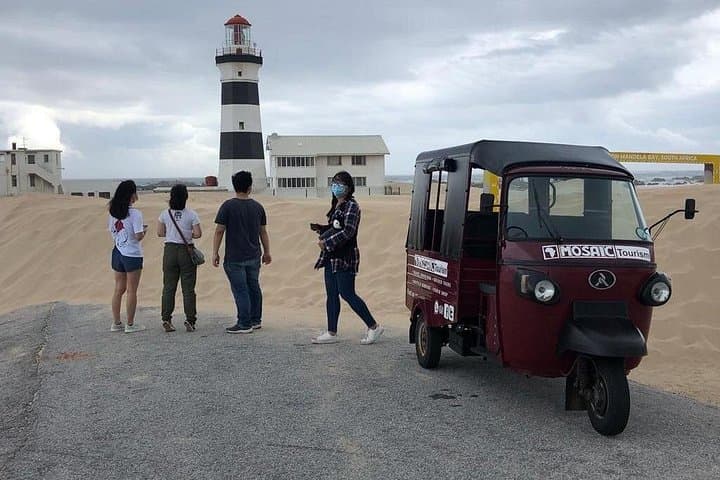

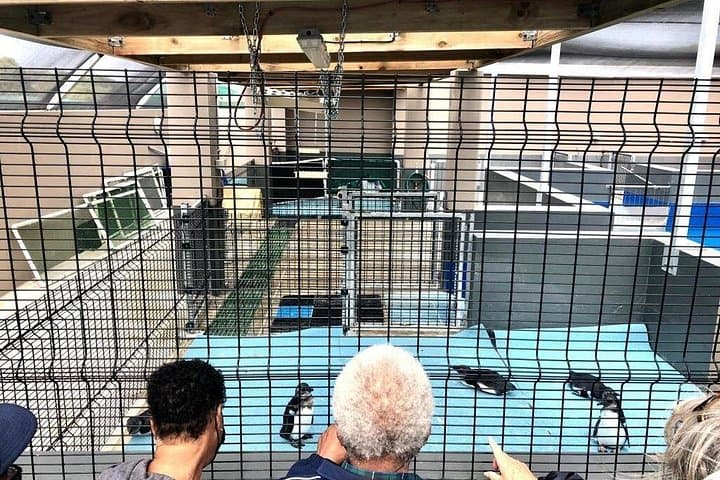
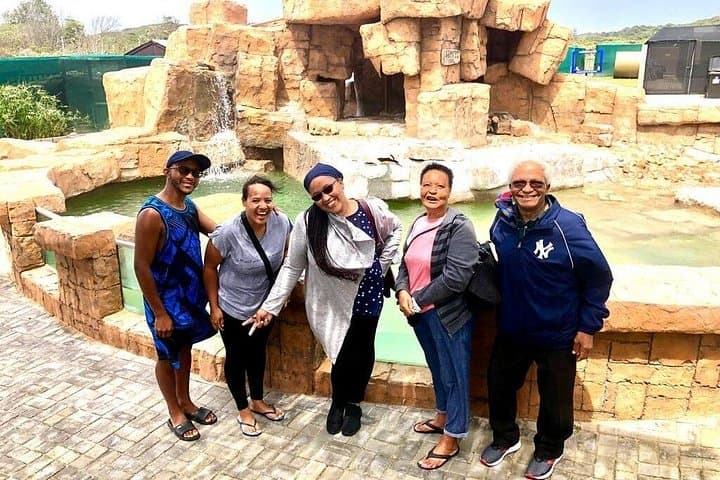
The tuk-tuk hums along the shoreline, tires whispering on packed sand while the ocean air pulls your attention seaward. Salt spray dares you to look closer; gulls quarter the wind and the coastline unrolls in clean, blue slices. This two-hour beachfront run from central Port Elizabeth (Gqeberha) threads sandy beaches, low dunes and the stony rise around Cape Recife.
The tuk-tuk hums along the shoreline, tires whispering on packed sand while the ocean air pulls your attention seaward. Salt spray dares you to look closer; gulls quarter the wind and the coastline unrolls in clean, blue slices. This two-hour beachfront run from central Port Elizabeth (Gqeberha) threads sandy beaches, low dunes and the stony rise around Cape Recife.
The route puts you within reach of SANCCOB’s penguin rehabilitation work—an organized, educational encounter with African penguins that have been rescued and treated before release. Nearby, the Cape Recife lighthouse and a WWII coastal observation post sit on a rocky promontory, reminders of the area’s role in maritime navigation and wartime coastal surveillance. Geologically the cape is composed of ancient sedimentary beds shaped by strong onshore swells; small tidal pools collect sea life and attract foraging birds.
Culturally, Port Elizabeth is a working coastal city where fishing, conservation and tourism overlap; encounters with locals—fishers, guides, conservation staff—add texture to the drive.
Practical guidance: tours run year-round but morning light and calmer winds make early departures best for photos and penguin activity; bring layered windproof clothing, sun protection and a camera with a zoom for wildlife. The tuk-tuk covers short distances between stops and involves light walking around the rehabilitation center and up to the observation post. Book in advance for weekend slots and check cancellation terms; physical demands are low but expect sand, wind, and variable seaside temperatures.