THE ADVENTURE COLLECTIVE® · Independent discovery and booking for outdoor travel

Walk two hours through the living history of Tucson’s El Presidio and Barrio Viejo with a former National Park ranger. Expect adobe architecture, local lore and street art framed by Sonoran Desert geology.
Walk two hours through the living history of Tucson’s El Presidio and Barrio Viejo with a former National Park ranger. Expect adobe architecture, local lore and street art framed by Sonoran Desert geology.
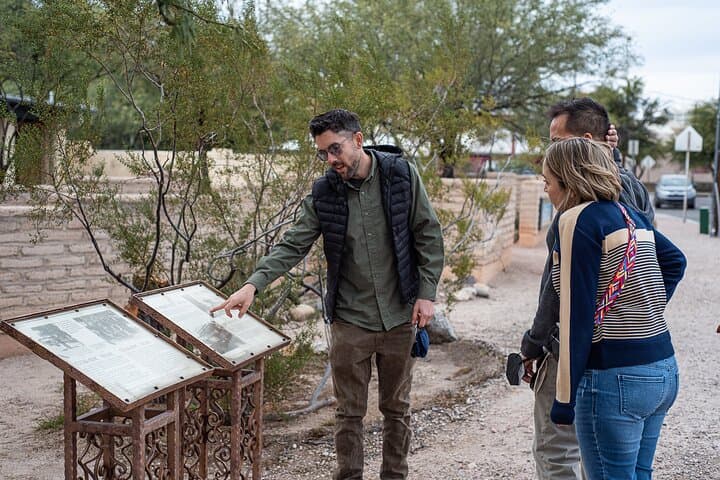
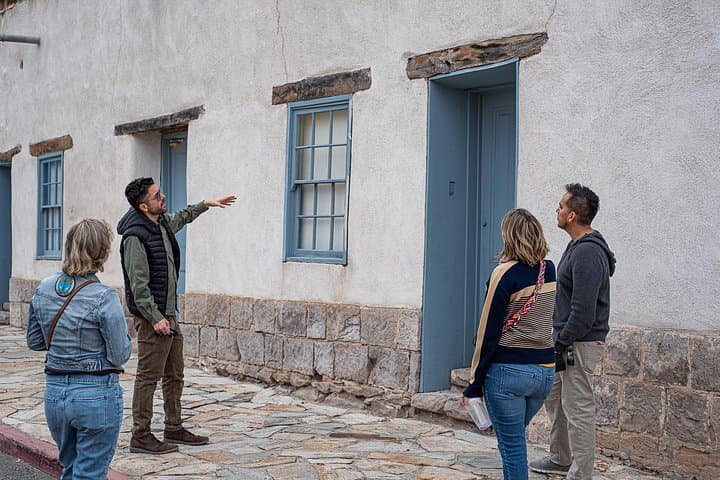
On a sun-washed morning in downtown Tucson you meet in front of La Casa Cordova, its white-plastered adobe and blue doors marking the start of two hours that move like pages in a living history book. The guide leads you through El Presidio and Barrio Viejo, where earthen walls keep stories of Indigenous communities, Spanish colonists, Mexican settlers and Territorial-era Americans within their pores.
Verified experiences and guided adventures in the surrounding area.
Operated by Borderlandia LLC · Tucson, Arizona
On a sun-washed morning in downtown Tucson you meet in front of La Casa Cordova, its white-plastered adobe and blue doors marking the start of two hours that move like pages in a living history book. The guide leads you through El Presidio and Barrio Viejo, where earthen walls keep stories of Indigenous communities, Spanish colonists, Mexican settlers and Territorial-era Americans within their pores.
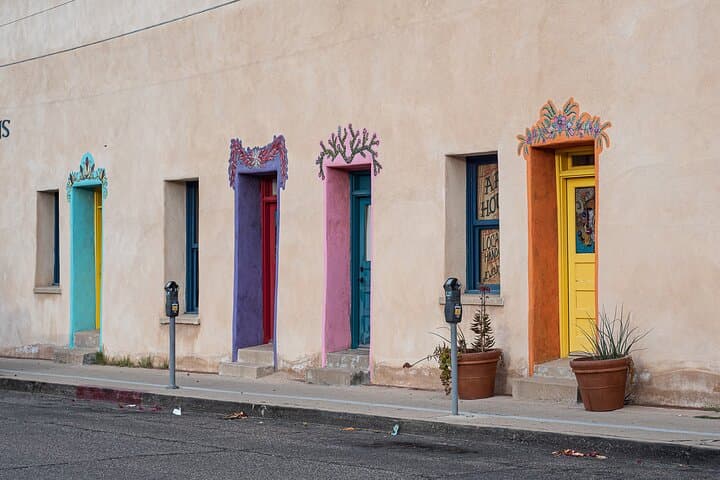
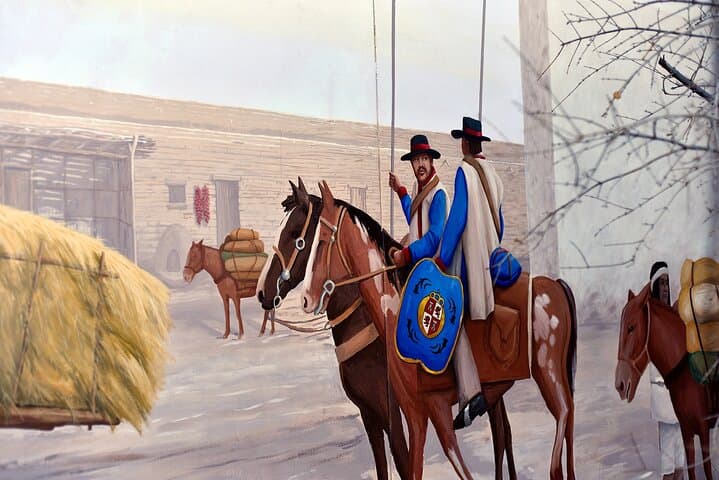
The city sits at the edge of the Sonoran Desert; its geology—ancient basalts and nearby alluvial fans—frames a human sequence of occupation and adaptation. Walk past the Pima County Courthouse and Plaza de Armas and you see Territorial-style brick beside locally adapted adobe, and a January 8 memorial that prompts a quieter step. In Barrio Viejo narrow lanes reveal vernacular houses and a shrine said to exist on unconsecrated ground, while murals and street art argue for Tucson’s UNESCO City of Gastronomy designation.
This is urban walking with an emphasis on material culture: adobe construction techniques, courthouse ornamentation and the re-use of local stone. Expect mostly flat pavement, short blocks and occasional cobbles; total distance covers a few miles at an easy urban pace with pauses for interpretation.
Plan for the climate—bring water, sun protection and sturdy shoes; morning and late-afternoon departures beat the heat. Parking is available at the El Presidio garage and public transit serves downtown. Photography is welcome; respect private homes and watch for traffic on narrow streets. This tour is best for curious walkers who want context as much as scenery.
easy.
2 hours.
Able to stand and walk for two hours with short pauses; suitable for most moderately active visitors
The itinerary runs about two hours and covers a few miles at an easy urban pace with several interpretive stops.
Meet in front of La Casa Cordova near the Tucson Museum of Art; public parking is available at the Pima County El Presidio Parking Garage nearby.
The operator notes wheelchair accessibility for most areas but some historic streets may have uneven surfaces—contact the provider to confirm accommodations.
Yes; strollers are allowed and the tour is family-friendly, though younger children should be prepared for two hours of walking.
Tucson grew around the Spanish presidio founded in 1775; its layered history includes Indigenous, Spanish colonial, Mexican and Territorial-era influences reflected in downtown architecture.
Respect historic fabric by staying on public walkways and supporting local businesses; small-group tours help limit visitor impact in residential areas.
Borderlandia LLC operates guided outdoor trips and adventures with an emphasis on safety, stewardship, and memorable experiences.
On a sun-washed morning in downtown Tucson you meet in front of La Casa Cordova, its white-plastered adobe and blue doors marking the start of two hours that move like pages in a living history book. The guide leads you through El Presidio and Barrio Viejo, where earthen walls keep stories of Indigenous communities, Spanish colonists, Mexican settlers and Territorial-era Americans within their pores.
On a sun-washed morning in downtown Tucson you meet in front of La Casa Cordova, its white-plastered adobe and blue doors marking the start of two hours that move like pages in a living history book. The guide leads you through El Presidio and Barrio Viejo, where earthen walls keep stories of Indigenous communities, Spanish colonists, Mexican settlers and Territorial-era Americans within their pores.
The city sits at the edge of the Sonoran Desert; its geology—ancient basalts and nearby alluvial fans—frames a human sequence of occupation and adaptation. Walk past the Pima County Courthouse and Plaza de Armas and you see Territorial-style brick beside locally adapted adobe, and a January 8 memorial that prompts a quieter step. In Barrio Viejo narrow lanes reveal vernacular houses and a shrine said to exist on unconsecrated ground, while murals and street art argue for Tucson’s UNESCO City of Gastronomy designation.
This is urban walking with an emphasis on material culture: adobe construction techniques, courthouse ornamentation and the re-use of local stone. Expect mostly flat pavement, short blocks and occasional cobbles; total distance covers a few miles at an easy urban pace with pauses for interpretation.
Plan for the climate—bring water, sun protection and sturdy shoes; morning and late-afternoon departures beat the heat. Parking is available at the El Presidio garage and public transit serves downtown. Photography is welcome; respect private homes and watch for traffic on narrow streets. This tour is best for curious walkers who want context as much as scenery.