THE ADVENTURE COLLECTIVE® · Independent discovery and booking for outdoor travel

Ascend Tsutenkaku’s 103-meter observation decks for a citywide panorama, glass-floor thrills, and a slice of Shinsekai culture. This guide covers history, timing, and practical tips to make the most of your visit.
Ascend Tsutenkaku’s 103-meter observation decks for a citywide panorama, glass-floor thrills, and a slice of Shinsekai culture. This guide covers history, timing, and practical tips to make the most of your visit.
You step off a narrow Shinsekai street and the tower rises like a neon compass—its observation deck a 103-meter focal point cutting through evening steam and arcade chatter. At the Sky Walk, a glass-floor panel asks you to look down on a patchwork of alleys, pachinko parlors and tiny kushikatsu shops; the city hums and dares you to take it in.
Verified experiences and guided adventures in the surrounding area.
Operated by TrevoTour Travels · Osaka, Osaka Prefecture
You step off a narrow Shinsekai street and the tower rises like a neon compass—its observation deck a 103-meter focal point cutting through evening steam and arcade chatter. At the Sky Walk, a glass-floor panel asks you to look down on a patchwork of alleys, pachinko parlors and tiny kushikatsu shops; the city hums and dares you to take it in.
Tsutenkaku’s current steel frame dates to 1956, replacing an earlier pre-war structure that mirrored European observation towers. It sits on the Osaka Plain, where reclaimed rivers and alluvial soil formed a flat cityscape—perfect for panoramic urban views rather than high-mountain vistas. The tower hosts Billiken, the so-called "God of Good Luck," a local cultural fixture visitors rub for fortune, and exhibits that trace Shinsekai’s post-war revival and neon-era leisure culture.
Practical guidance: plan 45–90 minutes for a full visit including the Sky Walk and exhibits; evenings yield the most dramatic nightscape, quieter mornings offer clearer sightlines. The site is fully accessible with elevators and lockers for bulky items—avoid skirts, sandals, and high heels per tower policy. Use nearby Tennoji or Dobutsuen-mae stations to arrive by subway; the area is compact and walkable.
Local tip: pair your visit with a casual food crawl—kushikatsu and retro cafés are immediate and authentic. Bring a mid-weight layer for breezy observation decks and a camera with fast low-light capability for neon-lit compositions. Respect the small businesses around Shinsekai and leave space for locals—this is a living neighborhood, not just a postcard view.
easy.
1–2 hours.
Suitable for all fitness levels; mostly elevator access and short walks
Yes—elevators and accessible routes are provided; staff can advise on locker locations and route details.
The Sky Walk is optional—there are other observation areas with solid flooring and full railings.
Late afternoon into early evening offers a mix of daylight and emerging neon; for clearer daytime views, visit mid-morning.
Yes—there are souvenir shops and kiosks for local snacks; Shinsekai around the tower has numerous casual restaurants.
The original Tsutenkaku opened in the early 20th century and the current steel tower was reconstructed in 1956, becoming a postwar symbol of Shinsekai’s entertainment district.
Visitors are encouraged to use public transit, respect local businesses, and minimize litter—Shinsekai is a compact neighborhood where small actions matter.
TrevoTour Travels operates guided outdoor trips and adventures with an emphasis on safety, stewardship, and memorable experiences.
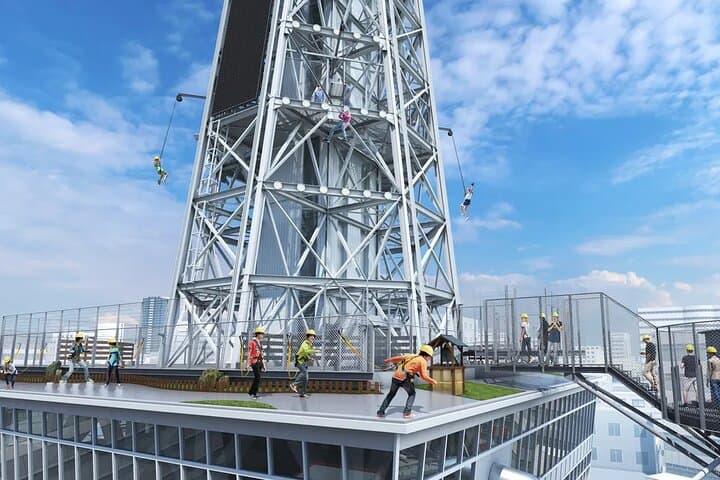


You step off a narrow Shinsekai street and the tower rises like a neon compass—its observation deck a 103-meter focal point cutting through evening steam and arcade chatter. At the Sky Walk, a glass-floor panel asks you to look down on a patchwork of alleys, pachinko parlors and tiny kushikatsu shops; the city hums and dares you to take it in.
You step off a narrow Shinsekai street and the tower rises like a neon compass—its observation deck a 103-meter focal point cutting through evening steam and arcade chatter. At the Sky Walk, a glass-floor panel asks you to look down on a patchwork of alleys, pachinko parlors and tiny kushikatsu shops; the city hums and dares you to take it in.
Tsutenkaku’s current steel frame dates to 1956, replacing an earlier pre-war structure that mirrored European observation towers. It sits on the Osaka Plain, where reclaimed rivers and alluvial soil formed a flat cityscape—perfect for panoramic urban views rather than high-mountain vistas. The tower hosts Billiken, the so-called "God of Good Luck," a local cultural fixture visitors rub for fortune, and exhibits that trace Shinsekai’s post-war revival and neon-era leisure culture.
Practical guidance: plan 45–90 minutes for a full visit including the Sky Walk and exhibits; evenings yield the most dramatic nightscape, quieter mornings offer clearer sightlines. The site is fully accessible with elevators and lockers for bulky items—avoid skirts, sandals, and high heels per tower policy. Use nearby Tennoji or Dobutsuen-mae stations to arrive by subway; the area is compact and walkable.
Local tip: pair your visit with a casual food crawl—kushikatsu and retro cafés are immediate and authentic. Bring a mid-weight layer for breezy observation decks and a camera with fast low-light capability for neon-lit compositions. Respect the small businesses around Shinsekai and leave space for locals—this is a living neighborhood, not just a postcard view.