THE ADVENTURE COLLECTIVE® · Independent discovery and booking for outdoor travel

Walk the alleys of Tokyo’s Tsukiji Outer Market, hunt seasonal seafood with a local guide and learn to roll maki from a sushi master in an intimate kitchen. This 3-hour combo blends street-level market insight with practical sushi-making skills.
Walk the alleys of Tokyo’s Tsukiji Outer Market, hunt seasonal seafood with a local guide and learn to roll maki from a sushi master in an intimate kitchen. This 3-hour combo blends street-level market insight with practical sushi-making skills.
The day begins before the city fully wakes: wooden crates clatter, white-aproned vendors steer trolleys, and the bay’s salt air slips between narrow alleys as you walk the Outer Market.
Verified experiences and guided adventures in the surrounding area.
Operated by 38TOURS · Tokyo, Tokyo
The day begins before the city fully wakes: wooden crates clatter, white-aproned vendors steer trolleys, and the bay’s salt air slips between narrow alleys as you walk the Outer Market.
Tsukiji’s Outer Market carries the rhythm of decades—while the central wholesale moved to Toyosu in 2018, these streets still pulse with fishmongers, spice sellers and tiny stalls that supply Tokyo’s restaurants. Geologically, you’re on filled land at the edge of Tokyo Bay; the market grew where sea met city, and that maritime edge defines the flavors here.
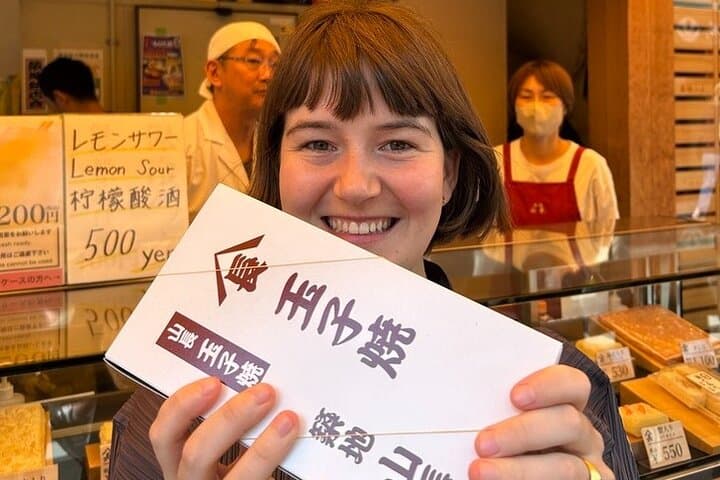
Culturally, the tour is a primer on Japanese seafood stewardship, knife etiquette and the seasonal cadence that governs what’s prized—tuna in winter, uni in summer. Your guide points out artisan soy makers, pickled-goods stalls and the small stands selling tamagoyaki that locals queue for.
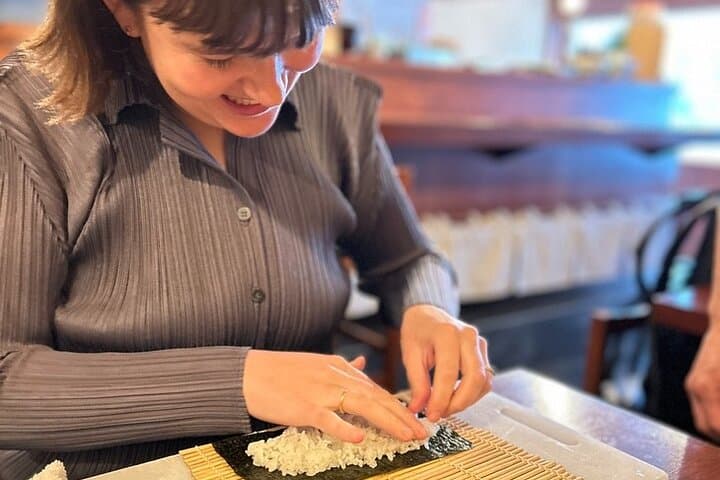
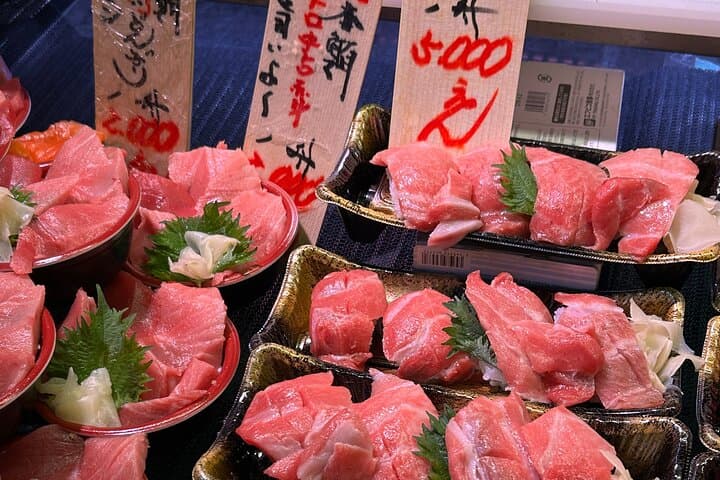
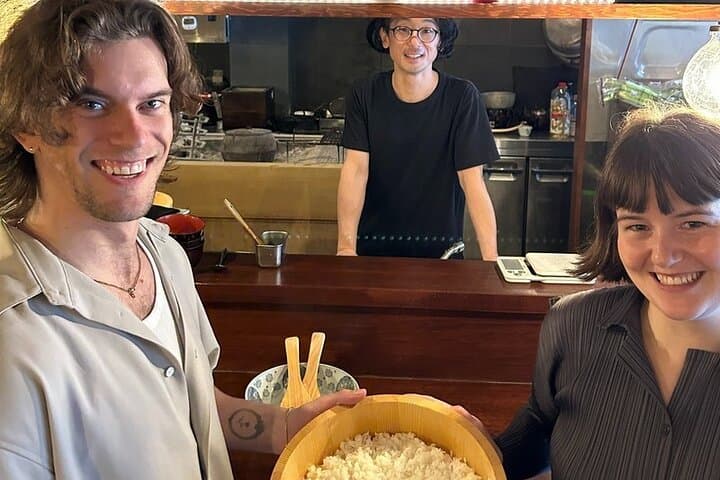
After a guided ingredient hunt—where you can request premium items if you’re willing to pay extra—you’re escorted to a small kitchen where a sushi master teaches rice seasoning, rolling and hand-roll technique. The class balances precision with hands-on repetition: you’ll make maki and temaki, then sit and taste what you made while the market hums outside.
Practical notes: arrive early, wear closed-toe shoes (market floors are wet), bring small bills for extras, and notify the operator of dietary restrictions. The experience is part urban food-walk, part focused cooking lesson—ideal for travelers who want both market anthropology and a usable set of sushi skills to take home.
moderate.
3 hours.
Light walking on uneven surfaces and short periods standing; you should be able to walk 1–2 miles and stand for up to an hour.
Meet at the designated spot in the Tsukiji Outer Market; the area is served by Tsukiji Station (Oedo Line) and nearby stations—allow 10–20 minutes for walking from major stations.
Yes—vegetarian menus are available if requested at booking; disclose allergies in advance so the chef can plan safely.
Basic seasonal ingredients for the lesson are included; premium items like fatty tuna or uni must be purchased separately at your cost during the market walk.
All sales are final for this experience; confirm availability and participants before booking, as refunds are not provided.
Tsukiji developed as Tokyo’s main fish market in the 20th century; although wholesale moved to Toyosu in 2018, Tsukiji’s Outer Market remains a center of culinary trade and tradition.
Seafood sustainability is a local concern—ask guides about species sourcing and favor vendors who sell MSC or responsibly harvested products; minimize single-use plastics when sampling.
38TOURS operates guided outdoor trips and adventures with an emphasis on safety, stewardship, and memorable experiences.
The day begins before the city fully wakes: wooden crates clatter, white-aproned vendors steer trolleys, and the bay’s salt air slips between narrow alleys as you walk the Outer Market.
The day begins before the city fully wakes: wooden crates clatter, white-aproned vendors steer trolleys, and the bay’s salt air slips between narrow alleys as you walk the Outer Market.
Tsukiji’s Outer Market carries the rhythm of decades—while the central wholesale moved to Toyosu in 2018, these streets still pulse with fishmongers, spice sellers and tiny stalls that supply Tokyo’s restaurants. Geologically, you’re on filled land at the edge of Tokyo Bay; the market grew where sea met city, and that maritime edge defines the flavors here.
Culturally, the tour is a primer on Japanese seafood stewardship, knife etiquette and the seasonal cadence that governs what’s prized—tuna in winter, uni in summer. Your guide points out artisan soy makers, pickled-goods stalls and the small stands selling tamagoyaki that locals queue for.
After a guided ingredient hunt—where you can request premium items if you’re willing to pay extra—you’re escorted to a small kitchen where a sushi master teaches rice seasoning, rolling and hand-roll technique. The class balances precision with hands-on repetition: you’ll make maki and temaki, then sit and taste what you made while the market hums outside.
Practical notes: arrive early, wear closed-toe shoes (market floors are wet), bring small bills for extras, and notify the operator of dietary restrictions. The experience is part urban food-walk, part focused cooking lesson—ideal for travelers who want both market anthropology and a usable set of sushi skills to take home.