THE ADVENTURE COLLECTIVE® · Independent discovery and booking for outdoor travel

Short abseils, limestone chutes and a final swim on the south coast define this approachable canyoning route in Viannos, Crete. Perfect for beginners who want technical exposure with a seaside payoff.
Short abseils, limestone chutes and a final swim on the south coast define this approachable canyoning route in Viannos, Crete. Perfect for beginners who want technical exposure with a seaside payoff.
Sunlight slices down the narrow throat of Tsoutsouros Gorge, catching limestone ledges and the occasional spray of trickling water as the canyon narrows toward a distant flash of blue—the Libyan Sea daring you to keep going.
Verified experiences and guided adventures in the surrounding area.
Operated by ANY DESTINATION · Tsoutsouros, Crete
Sunlight slices down the narrow throat of Tsoutsouros Gorge, catching limestone ledges and the occasional spray of trickling water as the canyon narrows toward a distant flash of blue—the Libyan Sea daring you to keep going.
This south‑Crete descent sits in the Viannos district, one of a cluster of more than ten gorges on the island’s southern flank. Geologically, the canyon is carved from soft limestone and schist; short abseils and stepped drops make it technical enough to feel like real canyoning while remaining accessible to beginners and older children (12+). Culturally, the route threads past pastoral terraces and old shepherd trails, a reminder of how local villagers historically moved livestock and collected spring water from these narrow cuts.
Expect a mix of short rappels, scrambling over stones, and sections where seasonal runoff channels squeeze through the rock. In wetter months small waterfalls add splash‑filled abseils; by mid‑summer many pools shrink to puddles and the route feels rockier and sun‑baked. The exit opens onto Tsoutsouros village and its sandy bay—ideal for a post‑descent swim and a taverna lunch.
Practical guidance: arrive in low, grippy shoes and a swimsuit, bring a spare change, and pack water and sun protection. Guides provide ropes and safety kit; listen to briefings and follow rope commands. Plan for a 3–4 hour descent with total tour time near 7 hours including transfers. If you have vertigo or a recent ankle injury, choose an alternative—this canyon asks for steady feet and a willingness to clip in and commit.
moderate.
3–4 hours (descent); full tour ~7 hours.
Suitable for people with basic cardio and leg strength; expect repeated short rappels and scrambling—some comfort with exposure is helpful.
No—this route is guided and designed for beginners; guides teach basic rope skills and manage anchors, though comfort with short rappels and heights helps.
Children 12 and older can join but must be accompanied by an adult; guides will assess suitability on the day.
Canyoning depends on conditions—heavy rain increases water flow and can make the route unsafe. Operators may reschedule or cancel if conditions are hazardous.
Transfers from hotels within the predefined pickup area are typically provided; check the booking details for exact pickup locations and times.
The Viannos region’s gorges were traditional shepherd routes and seasonal water sources; stone terraces nearby reflect centuries of small‑scale agriculture.
Stick to marked approaches, avoid trampling cliffside vegetation, and pack out all waste—these micro‑ecosystems recover slowly from disturbance.
ANY DESTINATION operates guided outdoor trips and adventures with an emphasis on safety, stewardship, and memorable experiences.
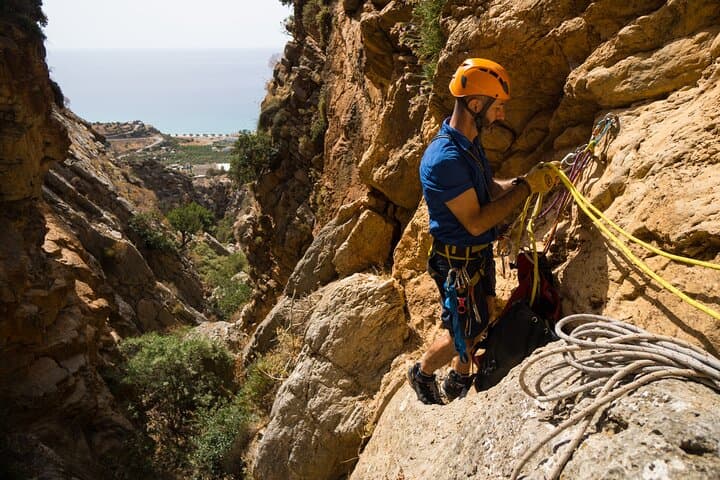
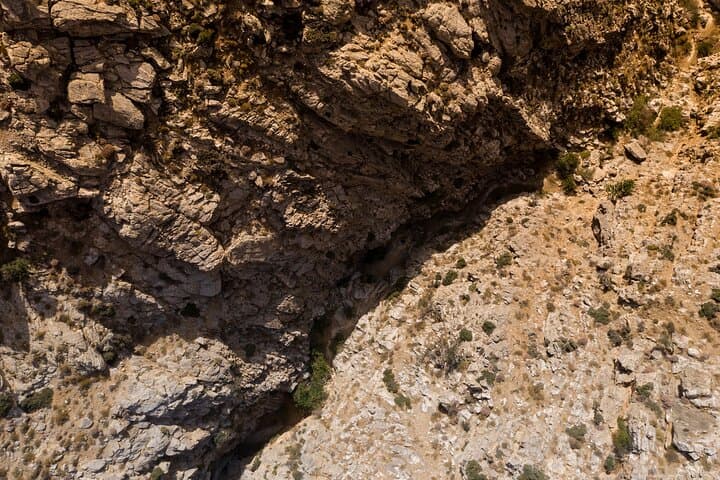
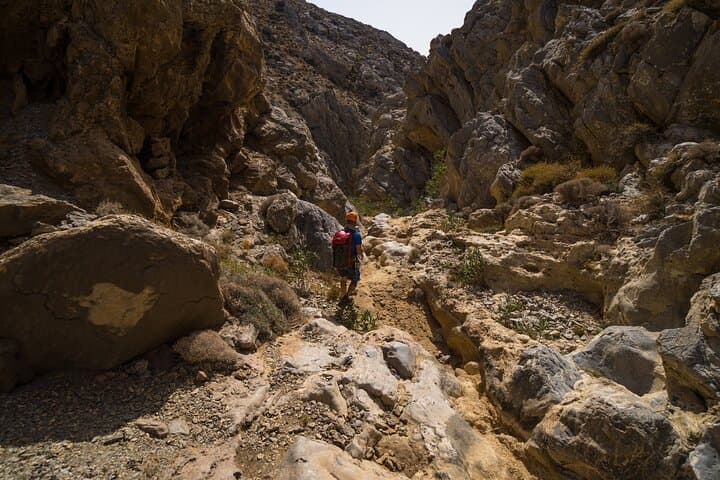
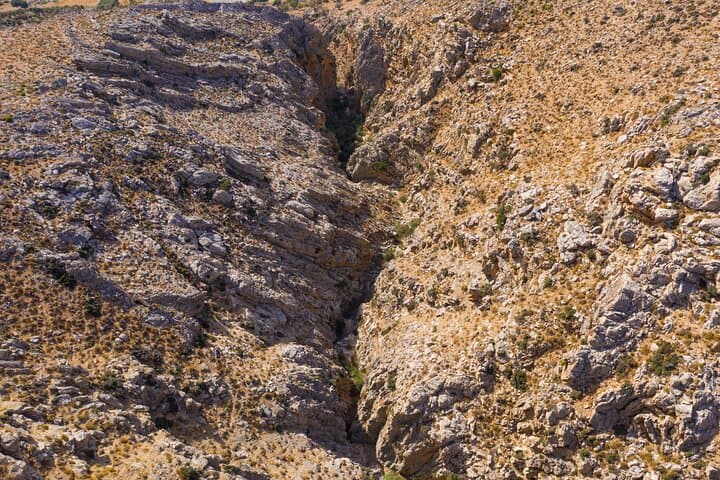
Sunlight slices down the narrow throat of Tsoutsouros Gorge, catching limestone ledges and the occasional spray of trickling water as the canyon narrows toward a distant flash of blue—the Libyan Sea daring you to keep going.
Sunlight slices down the narrow throat of Tsoutsouros Gorge, catching limestone ledges and the occasional spray of trickling water as the canyon narrows toward a distant flash of blue—the Libyan Sea daring you to keep going.
This south‑Crete descent sits in the Viannos district, one of a cluster of more than ten gorges on the island’s southern flank. Geologically, the canyon is carved from soft limestone and schist; short abseils and stepped drops make it technical enough to feel like real canyoning while remaining accessible to beginners and older children (12+). Culturally, the route threads past pastoral terraces and old shepherd trails, a reminder of how local villagers historically moved livestock and collected spring water from these narrow cuts.
Expect a mix of short rappels, scrambling over stones, and sections where seasonal runoff channels squeeze through the rock. In wetter months small waterfalls add splash‑filled abseils; by mid‑summer many pools shrink to puddles and the route feels rockier and sun‑baked. The exit opens onto Tsoutsouros village and its sandy bay—ideal for a post‑descent swim and a taverna lunch.
Practical guidance: arrive in low, grippy shoes and a swimsuit, bring a spare change, and pack water and sun protection. Guides provide ropes and safety kit; listen to briefings and follow rope commands. Plan for a 3–4 hour descent with total tour time near 7 hours including transfers. If you have vertigo or a recent ankle injury, choose an alternative—this canyon asks for steady feet and a willingness to clip in and commit.