THE ADVENTURE COLLECTIVE® · Independent discovery and booking for outdoor travel

Scale narrow limestone pinnacles and cross a swaying suspension bridge on a guided tour of Tsingy de Bemaraha. This full-day excursion from Morondava combines river transport, baobab country, and challenging hikes through Madagascar's most iconic karst landscape.
Scale narrow limestone pinnacles and cross a swaying suspension bridge on a guided tour of Tsingy de Bemaraha. This full-day excursion from Morondava combines river transport, baobab country, and challenging hikes through Madagascar's most iconic karst landscape.
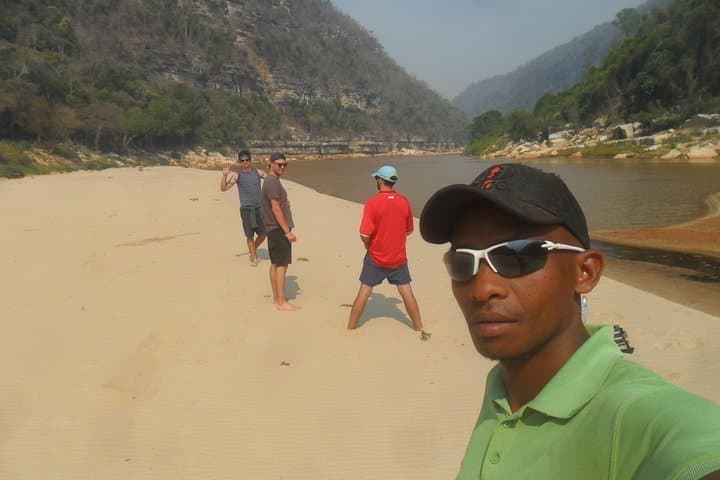
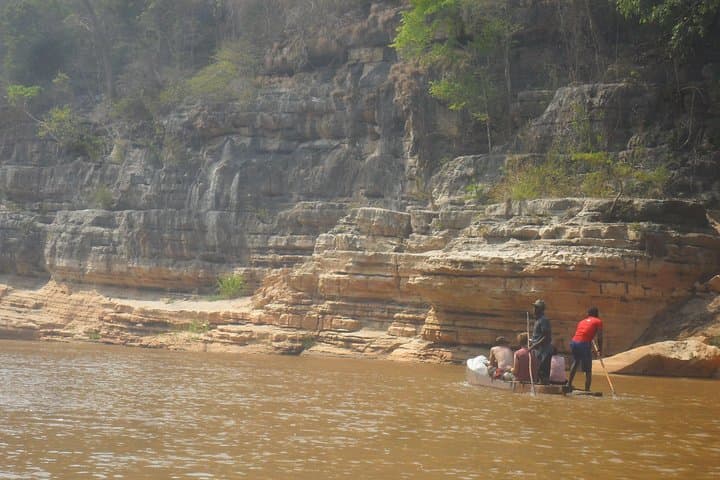
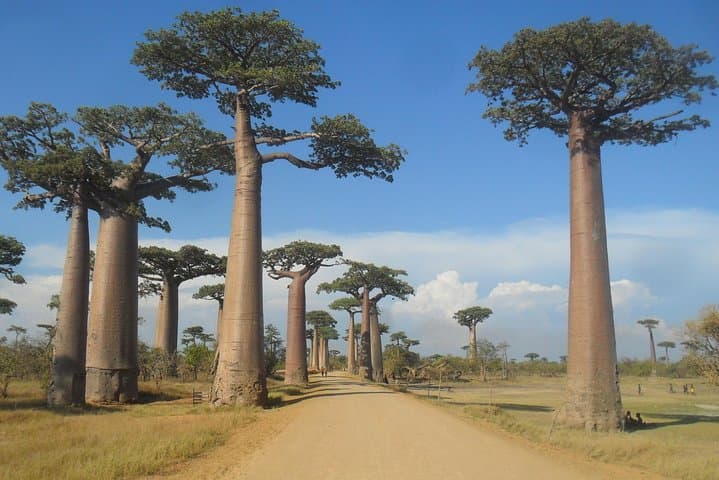
A narrow path threads between toothlike limestone spires as afternoon light slices the canyon—this is Bemaraha, where rock becomes architecture and the forest clings to razor edges. The tour moves from west Madagascar's coastal plains inland to Bekopaka, crossing the Manambolo River and a landscape that shifts from baobab-lined sand to a vertiginous karst forest.
Verified experiences and guided adventures in the surrounding area.
Operated by Madagascar Local Tours (M.L.T) · Bekopaka, Melaky
A narrow path threads between toothlike limestone spires as afternoon light slices the canyon—this is Bemaraha, where rock becomes architecture and the forest clings to razor edges. The tour moves from west Madagascar's coastal plains inland to Bekopaka, crossing the Manambolo River and a landscape that shifts from baobab-lined sand to a vertiginous karst forest.
Formed by millennia of rain and uplift, the tsingy are jagged limestone pavements cut into pinnacles and labyrinthine gorges. French explorers and Malagasy communities have long known these formations; the area now sits within Tsingy de Bemaraha National Park, a UNESCO World Heritage site prized for its endemic lemurs, unusual geology, and traditional Sakalava culture along the river.
On a standard circuit visitors can choose Small or Big Tsingy hikes: expect narrow ledges, fixed cables, ladder sections, and a suspension bridge that frames a deep gorge. Birdsong and the snapping of dry leaves mark the presence of sifaka and other lemurs; the park's tight passages reward planning and steady footing.
Practical guidance: arrive with a local licensed guide, wear sturdy ankle-support boots, and pack 2–3 liters of water. Morning visits avoid heat and crowds; allow 4–6 hours for a guided loop and transfers. Be prepared for uneven limestone, occasional steep climbs, and simple river crossings. Respect marked trails—fragile endemic plants and nesting birds are sensitive to off-trail traffic. With preparation, the Tsingy delivers one of Madagascar’s most physical and visually distinct day hikes.
challenging.
4–6 hours.
Requires good cardio and leg strength, comfortable with scrambling and exposure for several hours
Yes; park regulations require licensed local guides who manage routes, safety, and permits.
Circuits range from moderate to challenging with narrow ledges, ladders, and brief climbs—good fitness and balance are recommended.
The park is open year-round, but the dry season (May–October) offers easier access and more stable river crossings; heavy rains can make access difficult.
Expect diurnal lemurs like sifaka, various endemic birds, and small mammals; sightings are common but never guaranteed.
Local Sakalava communities and 20th-century naturalists brought attention to the park; it was later protected as a national park and UNESCO site for its unique karst formations and endemic species.
Visitor numbers are managed and guided routes limit erosion; follow guide instructions and avoid off-trail travel to protect fragile limestone flora and nesting birds.
Madagascar Local Tours (M.L.T) operates guided outdoor trips and adventures with an emphasis on safety, stewardship, and memorable experiences.
A narrow path threads between toothlike limestone spires as afternoon light slices the canyon—this is Bemaraha, where rock becomes architecture and the forest clings to razor edges. The tour moves from west Madagascar's coastal plains inland to Bekopaka, crossing the Manambolo River and a landscape that shifts from baobab-lined sand to a vertiginous karst forest.
A narrow path threads between toothlike limestone spires as afternoon light slices the canyon—this is Bemaraha, where rock becomes architecture and the forest clings to razor edges. The tour moves from west Madagascar's coastal plains inland to Bekopaka, crossing the Manambolo River and a landscape that shifts from baobab-lined sand to a vertiginous karst forest.
Formed by millennia of rain and uplift, the tsingy are jagged limestone pavements cut into pinnacles and labyrinthine gorges. French explorers and Malagasy communities have long known these formations; the area now sits within Tsingy de Bemaraha National Park, a UNESCO World Heritage site prized for its endemic lemurs, unusual geology, and traditional Sakalava culture along the river.
On a standard circuit visitors can choose Small or Big Tsingy hikes: expect narrow ledges, fixed cables, ladder sections, and a suspension bridge that frames a deep gorge. Birdsong and the snapping of dry leaves mark the presence of sifaka and other lemurs; the park's tight passages reward planning and steady footing.
Practical guidance: arrive with a local licensed guide, wear sturdy ankle-support boots, and pack 2–3 liters of water. Morning visits avoid heat and crowds; allow 4–6 hours for a guided loop and transfers. Be prepared for uneven limestone, occasional steep climbs, and simple river crossings. Respect marked trails—fragile endemic plants and nesting birds are sensitive to off-trail traffic. With preparation, the Tsingy delivers one of Madagascar’s most physical and visually distinct day hikes.