THE ADVENTURE COLLECTIVE® · Independent discovery and booking for outdoor travel

A seven-day expedition linking Kirindy’s dry forest wildlife with the limestone towers of the Tsingy of Bemaraha. Expect long 4x4 transfers, river pirogues, harnessed ridge routes and close encounters with lemurs and nocturnal wildlife.
A seven-day expedition linking Kirindy’s dry forest wildlife with the limestone towers of the Tsingy of Bemaraha. Expect long 4x4 transfers, river pirogues, harnessed ridge routes and close encounters with lemurs and nocturnal wildlife.
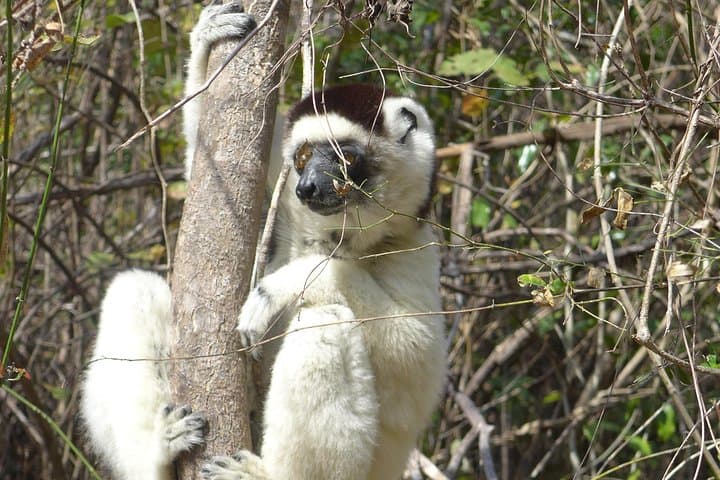
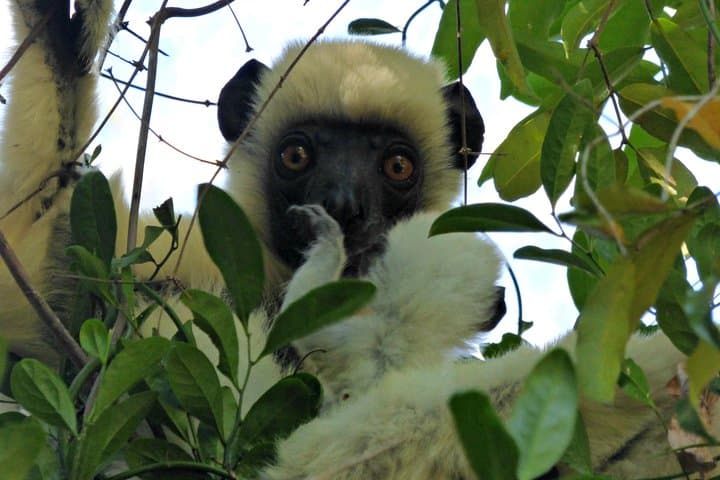
You step off the 4x4 onto a runway of laterite dust and are immediately met by the low, ancient soundtrack of western Madagascar: wind through baobab branches, distant sifaka calls and the patient click of pirogues on the Manambolo.
Verified experiences and guided adventures in the surrounding area.
Operated by Madagascar Local Tours (M.L.T) · Bekopaka, Menabe
You step off the 4x4 onto a runway of laterite dust and are immediately met by the low, ancient soundtrack of western Madagascar: wind through baobab branches, distant sifaka calls and the patient click of pirogues on the Manambolo.
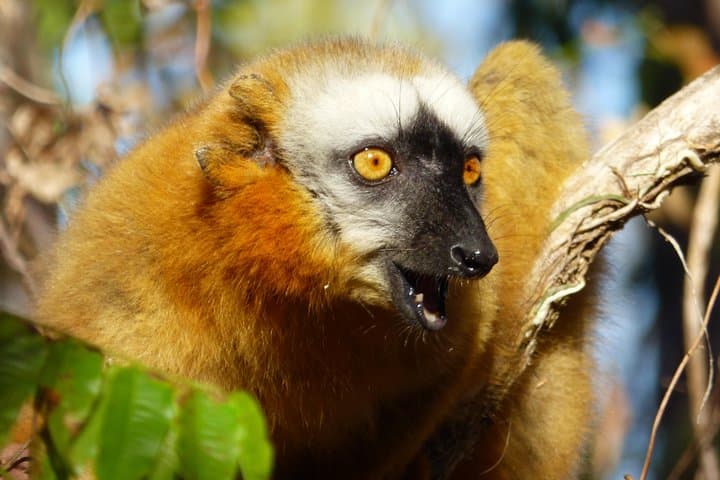
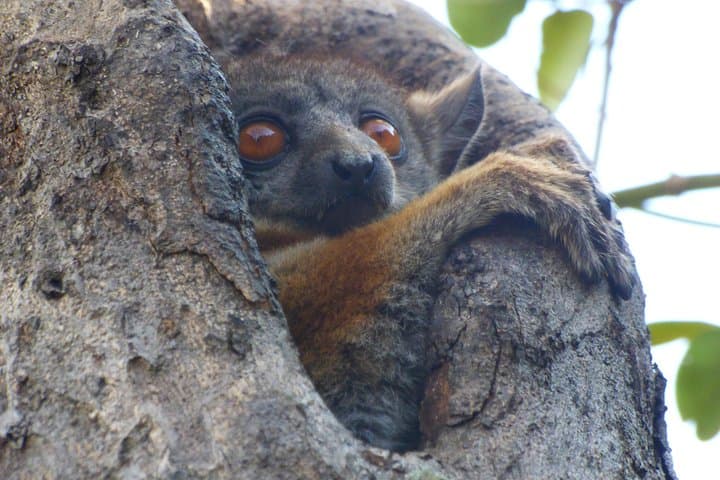
This multi-day route threads two very different landscapes. Kirindy is a dry deciduous forest 50 km from Morondava where fosa track lemur populations and mouse lemurs emerge at dusk. Further north, the Tsingy of Bemaraha—a jagged karst formed by uplift and millennia of limestone dissolution—rises from the plain as serrated towers and narrow canyons. In the Manambolo Gorge local guides point out Vazimba tombs tucked in cave mouths; the Sakalava people and their oral histories are woven through villages and ferry crossings.
On the ground expect dusty off-road drives, short river pirogue trips, and two main hikes: a 4–6 hour route through the Big Tsingy (harness provided by the park) and a 4-hour loop in the Small Tsingy. Trails include steep scrambles, exposed via-ferrata-style ridgelines and vertical ladders with minimal elevation gain but significant exposure. Accommodation is basic—bungalows with showers in Kirindy and small hotels in Bekopaka—so pack for comfort and self-sufficiency.
Practical edge: allow extra transit time for ferries and washboard roads, carry 2–3 liters of water per day, wear grippy boots and long pants for razor-like limestone, and plan night walks in Kirindy for the best chance to see nocturnal species.
challenging.
6–7 days.
Good aerobic fitness and comfort with moderate scrambling and sustained hikes; comfortable with heights is helpful.
The 4x4 transfer is roughly 50 km and typically takes 2–3 hours depending on road conditions and stops at Baobab Avenue.
No formal climbing background is required—harnesses and guidance are provided—but you should be comfortable with exposure, ladders and short via‑ferrata sections.
Accommodations are basic to mid-range: simple bungalows with showers in Kirindy and small hotels in Bekopaka or Bekopaka-area lodges with breakfast included.
Not recommended for pregnant travelers; children may participate if they can handle long transfers and rugged terrain—check provider age limits and medical considerations.
The area is historically inhabited by Sakalava communities; the Manambolo Gorge contains Vazimba tombs linked to Madagascar’s earliest peoples.
Bemaraha and Kirindy are ecologically sensitive—stick to marked paths, respect local sacred sites and avoid single‑use plastics; organized tourism funds park protection and local guides.
Madagascar Local Tours (M.L.T) operates guided outdoor trips and adventures with an emphasis on safety, stewardship, and memorable experiences.
You step off the 4x4 onto a runway of laterite dust and are immediately met by the low, ancient soundtrack of western Madagascar: wind through baobab branches, distant sifaka calls and the patient click of pirogues on the Manambolo.
You step off the 4x4 onto a runway of laterite dust and are immediately met by the low, ancient soundtrack of western Madagascar: wind through baobab branches, distant sifaka calls and the patient click of pirogues on the Manambolo.
This multi-day route threads two very different landscapes. Kirindy is a dry deciduous forest 50 km from Morondava where fosa track lemur populations and mouse lemurs emerge at dusk. Further north, the Tsingy of Bemaraha—a jagged karst formed by uplift and millennia of limestone dissolution—rises from the plain as serrated towers and narrow canyons. In the Manambolo Gorge local guides point out Vazimba tombs tucked in cave mouths; the Sakalava people and their oral histories are woven through villages and ferry crossings.
On the ground expect dusty off-road drives, short river pirogue trips, and two main hikes: a 4–6 hour route through the Big Tsingy (harness provided by the park) and a 4-hour loop in the Small Tsingy. Trails include steep scrambles, exposed via-ferrata-style ridgelines and vertical ladders with minimal elevation gain but significant exposure. Accommodation is basic—bungalows with showers in Kirindy and small hotels in Bekopaka—so pack for comfort and self-sufficiency.
Practical edge: allow extra transit time for ferries and washboard roads, carry 2–3 liters of water per day, wear grippy boots and long pants for razor-like limestone, and plan night walks in Kirindy for the best chance to see nocturnal species.