THE ADVENTURE COLLECTIVE® · Independent discovery and booking for outdoor travel

An 11-day overland loop from Tsenkher hot springs to Lake Khövsgöl that pairs steaming pools with volcano craters, alpine hikes, ger-camp nights and centuries-old monasteries. Expect long scenic drives, short hikes, and immersive encounters with Mongolia’s upland landscapes.
An 11-day overland loop from Tsenkher hot springs to Lake Khövsgöl that pairs steaming pools with volcano craters, alpine hikes, ger-camp nights and centuries-old monasteries. Expect long scenic drives, short hikes, and immersive encounters with Mongolia’s upland landscapes.
Steam lifts off the Tsenkher pools as dawn strains through a thin veil of pine smoke; by afternoon the road unfurls into steppe and basalt cliffs, and by early week you stand on a rim above Khövsgöl’s clear shoulder of water. This is an overland route that stitches hot springs, volcanic craters, alpine lakes and monastery courtyards into a single, approachable expedition.
Verified experiences and guided adventures in the surrounding area.
Operated by Legendary Gobi Travel · Ulaanbaatar, Khövsgöl Province
Steam lifts off the Tsenkher pools as dawn strains through a thin veil of pine smoke; by afternoon the road unfurls into steppe and basalt cliffs, and by early week you stand on a rim above Khövsgöl’s clear shoulder of water. This is an overland route that stitches hot springs, volcanic craters, alpine lakes and monastery courtyards into a single, approachable expedition.
The journey threads centuries of nomadic history — Erdene Khambiin and Amarbayasgalant monasteries mark 17th- and 18th-century Buddhism’s reach — while the geology changes rapidly: basalt columns at Khorgo, lava-dammed Terkhiin Tsagaan, and glacial-fed Khövsgöl carved by ice and held at roughly 1,645 m above sea level. Local culture is present in the small ger camps, horse herds grazing mountain meadows, and reindeer-keeping families on the northern edge of the lake.
Expect long but scenic drives (daily transfers can be 3–6 hours on unpaved roads), frequent short hikes (200–600 m elevation change on day walks), and mixed terrain from sandy steppe to rocky trails and pine forest paths. Accommodation is primarily family-run ger camps and simple tourist camps; meals are included.
Practical note: pack waterproof layers, warm nights are common above 1,500 m, and allow a day to acclimate to the pace and dust. Bring cash for small purchases, and plan travel between late May and September for the most accessible roads and warmest water temperatures in the hot springs.
moderate.
11 days.
Suitable for travelers in general good health who can handle several hours of driving, short hikes with modest elevation gain, and basic camping-style accommodations.
Late May through September offers the most reliable road access, warmer nights and open trails; winter travel is possible but requires specialist logistics.
Stays are mostly family-run ger camps and a few tourist camps—simple but clean, with communal facilities and hearty local meals included.
Visitors to Mongolia often require a visa depending on nationality—check consular advice; routine vaccinations are recommended and consult a travel clinic for specifics.
The tour is rated accessible for general fitness levels but involves unpaved roads and basic facilities, so it may be challenging for very young children or travelers with significant mobility restrictions.
The route passes sites tied to Mongolia’s Buddhist revival and nomadic lifeways; Amarbayasgalant Monastery dates to the 18th century and reflects Tibetan-influenced temple architecture.
Khövsgöl National Park protects one of the world’s largest freshwater reserves; follow leave-no-trace principles and minimize firewood collection in fragile alpine forests.
Legendary Gobi Travel operates guided outdoor trips and adventures with an emphasis on safety, stewardship, and memorable experiences.
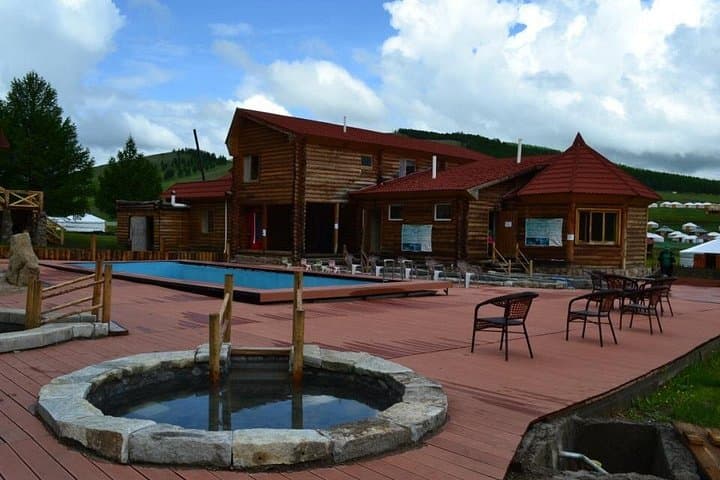
Steam lifts off the Tsenkher pools as dawn strains through a thin veil of pine smoke; by afternoon the road unfurls into steppe and basalt cliffs, and by early week you stand on a rim above Khövsgöl’s clear shoulder of water. This is an overland route that stitches hot springs, volcanic craters, alpine lakes and monastery courtyards into a single, approachable expedition.
Steam lifts off the Tsenkher pools as dawn strains through a thin veil of pine smoke; by afternoon the road unfurls into steppe and basalt cliffs, and by early week you stand on a rim above Khövsgöl’s clear shoulder of water. This is an overland route that stitches hot springs, volcanic craters, alpine lakes and monastery courtyards into a single, approachable expedition.
The journey threads centuries of nomadic history — Erdene Khambiin and Amarbayasgalant monasteries mark 17th- and 18th-century Buddhism’s reach — while the geology changes rapidly: basalt columns at Khorgo, lava-dammed Terkhiin Tsagaan, and glacial-fed Khövsgöl carved by ice and held at roughly 1,645 m above sea level. Local culture is present in the small ger camps, horse herds grazing mountain meadows, and reindeer-keeping families on the northern edge of the lake.
Expect long but scenic drives (daily transfers can be 3–6 hours on unpaved roads), frequent short hikes (200–600 m elevation change on day walks), and mixed terrain from sandy steppe to rocky trails and pine forest paths. Accommodation is primarily family-run ger camps and simple tourist camps; meals are included.
Practical note: pack waterproof layers, warm nights are common above 1,500 m, and allow a day to acclimate to the pace and dust. Bring cash for small purchases, and plan travel between late May and September for the most accessible roads and warmest water temperatures in the hot springs.