THE ADVENTURE COLLECTIVE® · Independent discovery and booking for outdoor travel

Spend a full day in Tsavo East from Mombasa exploring rust-red savannahs, Aruba Dam and large herds of elephants. This private, guided safari includes transport, lunch and park fees — ideal for photographers and first-time safari-goers alike.
Spend a full day in Tsavo East from Mombasa exploring rust-red savannahs, Aruba Dam and large herds of elephants. This private, guided safari includes transport, lunch and park fees — ideal for photographers and first-time safari-goers alike.
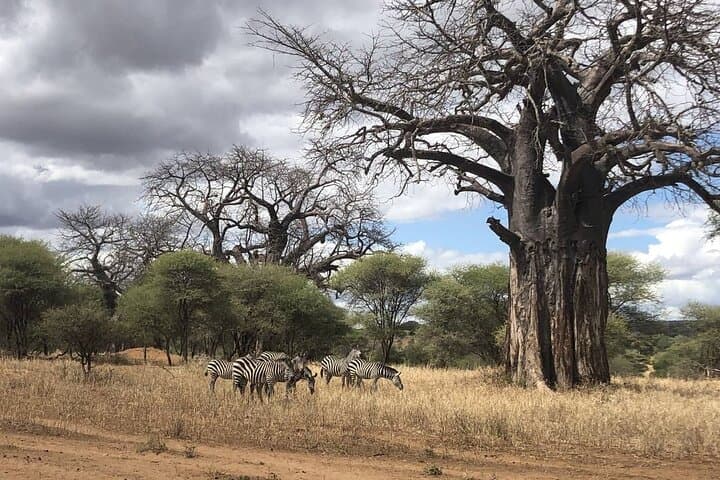
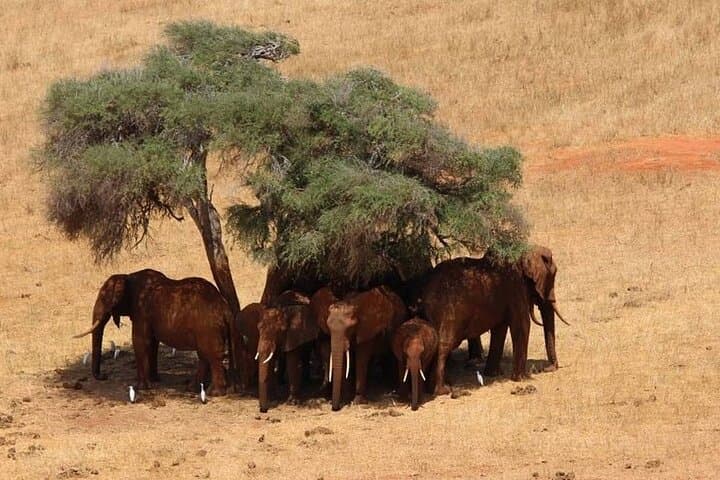
You lift off from Mombasa before dawn and the coast falls away; by mid-morning the land opens into a broad, sun-baked plain where termite mounds stand like small, patient cities. Vehicles bump along dusty tracks while acacia and mopane trees lace the horizon. The park’s red soil stains everything it touches — including the famous ‘red’ elephants that dust themselves in iron-rich dirt, coloring their hides a burnished copper.
Verified experiences and guided adventures in the surrounding area.
Operated by Grey Impala Safaris Ltd · Voi, Taita-Taveta County
You lift off from Mombasa before dawn and the coast falls away; by mid-morning the land opens into a broad, sun-baked plain where termite mounds stand like small, patient cities. Vehicles bump along dusty tracks while acacia and mopane trees lace the horizon. The park’s red soil stains everything it touches — including the famous ‘red’ elephants that dust themselves in iron-rich dirt, coloring their hides a burnished copper.
Tsavo East spans thousands of square kilometers shaped by volcanic uplift and erosion, crossed by the seasonal Tsavo River and dotted with granite outcrops such as Mudanda Rock. In the late 19th century the Kenya-Uganda Railway pushed through this landscape, and stories like the Tsavo man-eaters entered the park’s lore; today local communities and park management work to protect both wildlife and livelihoods.
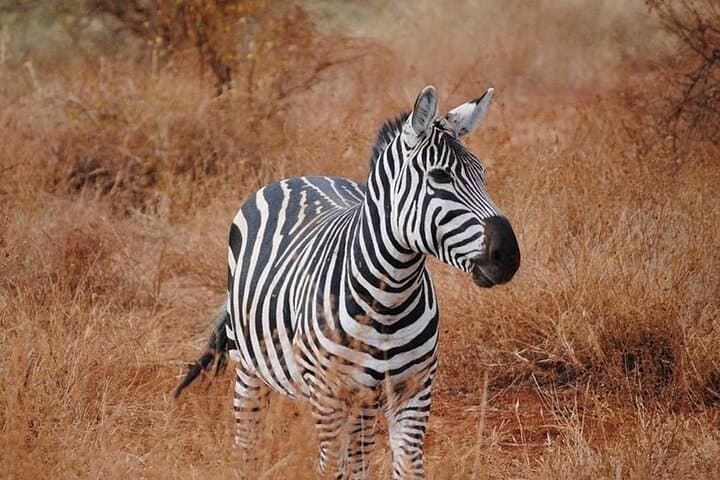
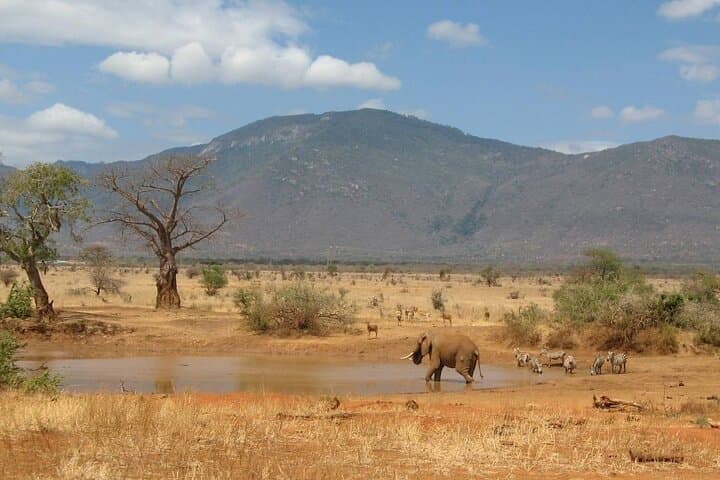
On a full-day safari you’ll search for large mammals — elephants, lion prides, cheetahs and grazing herds — and watch birdlife congregate at waterholes and at Aruba Dam. Guides read spoor and behavior as easily as maps, translating sightings into context about migration, breeding and seasonal water patterns.
Practical guidance: expect a 7-hour outing with private transport, park fees, bottled water and lunch included. Dress in neutral layers, bring binoculars and sun protection, and charge cameras fully — game viewing hinges on light and patience. Morning and late-afternoon windows yield best wildlife activity; mid-day can be quiet and very hot. Respect the vehicle’s boundaries and follow your guide’s instructions to keep animals calm and the experience safe.
moderate.
7 hours.
Moderate fitness for vehicle-based game drives and short walks; be prepared for bumpy roads and getting in/out of safari vehicles.
Typical transfer time is about 2–3 hours each way depending on traffic and your pickup point in Mombasa; the full excursion runs roughly 7 hours including game viewing.
Yes — this full-day tour includes park entry, bottled water and a park lunch as part of the published inclusions.
Red elephants are common in Tsavo East due to iron-rich soil; sightings are frequent but never guaranteed — guides increase your odds by visiting active waterholes and known herd routes.
Children are welcome and infant seats are available; the tour is wheelchair-accessible for vehicle-based viewing but not for extensive walking — consult the operator about specific mobility needs.
The park sits along the historic Kenya-Uganda Railway corridor and is linked to late-19th-century stories of railway construction and wildlife encounters.
Tsavo East is managed under national park protections and community conservation initiatives that focus on anti-poaching, water management and balancing tourism with local livelihoods.
Grey Impala Safaris Ltd operates guided outdoor trips and adventures with an emphasis on safety, stewardship, and memorable experiences.
You lift off from Mombasa before dawn and the coast falls away; by mid-morning the land opens into a broad, sun-baked plain where termite mounds stand like small, patient cities. Vehicles bump along dusty tracks while acacia and mopane trees lace the horizon. The park’s red soil stains everything it touches — including the famous ‘red’ elephants that dust themselves in iron-rich dirt, coloring their hides a burnished copper.
You lift off from Mombasa before dawn and the coast falls away; by mid-morning the land opens into a broad, sun-baked plain where termite mounds stand like small, patient cities. Vehicles bump along dusty tracks while acacia and mopane trees lace the horizon. The park’s red soil stains everything it touches — including the famous ‘red’ elephants that dust themselves in iron-rich dirt, coloring their hides a burnished copper.
Tsavo East spans thousands of square kilometers shaped by volcanic uplift and erosion, crossed by the seasonal Tsavo River and dotted with granite outcrops such as Mudanda Rock. In the late 19th century the Kenya-Uganda Railway pushed through this landscape, and stories like the Tsavo man-eaters entered the park’s lore; today local communities and park management work to protect both wildlife and livelihoods.
On a full-day safari you’ll search for large mammals — elephants, lion prides, cheetahs and grazing herds — and watch birdlife congregate at waterholes and at Aruba Dam. Guides read spoor and behavior as easily as maps, translating sightings into context about migration, breeding and seasonal water patterns.
Practical guidance: expect a 7-hour outing with private transport, park fees, bottled water and lunch included. Dress in neutral layers, bring binoculars and sun protection, and charge cameras fully — game viewing hinges on light and patience. Morning and late-afternoon windows yield best wildlife activity; mid-day can be quiet and very hot. Respect the vehicle’s boundaries and follow your guide’s instructions to keep animals calm and the experience safe.