THE ADVENTURE COLLECTIVE® · Independent discovery and booking for outdoor travel

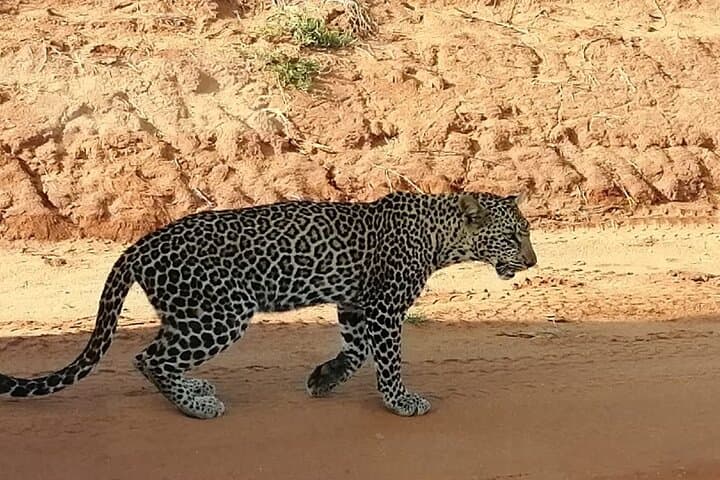
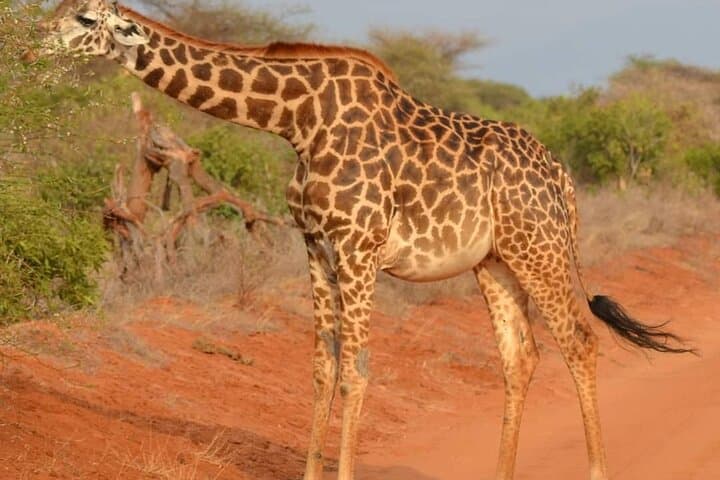
Head inland from Mombasa or Diani for a full-day game drive in Tsavo East where red-dusted elephants, lions, and river pools dominate the plains. This guided day tour includes pickup, entrance fees, lunch, and a pop-up roof safari vehicle for unobstructed viewing.
Head inland from Mombasa or Diani for a full-day game drive in Tsavo East where red-dusted elephants, lions, and river pools dominate the plains. This guided day tour includes pickup, entrance fees, lunch, and a pop-up roof safari vehicle for unobstructed viewing.
Before the sun clears the Indian Ocean horizon you’re already rolling inland, the road humming beneath a safari vehicle with a pop-up roof. Dust lifts in a red-orange veil and the scrub opens into plains where elephants move like slow clocks and the air smells faintly of dry grass and diesel. The first gate at Bachuma sets the stage: wide vistas, termite mounds, and the possibility of a lion’s silhouette on a distant ridge.
Verified experiences and guided adventures in the surrounding area.
Operated by Wild Bond Tours and Safaris · Voi, Taita-Taveta County
Before the sun clears the Indian Ocean horizon you’re already rolling inland, the road humming beneath a safari vehicle with a pop-up roof. Dust lifts in a red-orange veil and the scrub opens into plains where elephants move like slow clocks and the air smells faintly of dry grass and diesel. The first gate at Bachuma sets the stage: wide vistas, termite mounds, and the possibility of a lion’s silhouette on a distant ridge.
Tsavo East is geologically blunt—broad basalt outcrops, red lateritic soils and the Galana River cutting a sinew through the park. That river and its pools concentrate life during dry months; Aruba Dam is a reliable magnet for mammals. The area also carries history: the notorious “man-eaters of Tsavo” interrupted the Uganda Railway in the 1890s, and local Taita-Taveta communities still read the land for grazing and seasonal water.
Expect two focused game drives separated by lunch at a lodge, a full-day rhythm of observation and patient miles. Guides track spoor, point out social elephant behavior, and manage sightlines so vehicles don’t disturb feeding or mating. Practicalities matter: early start (around 05:00), long stretches on dusty tracks, and variable shade.
Bring a sun hat, binoculars, and layered clothing for cool mornings that warm fast. Keep cameras ready at golden hours, follow guide instructions about windows and distances, and budget patience—wildlife sightings come in waves. This is a safari built for observation more than exertion: a day to watch large mammals move through a landscape that still feels, insistently, wild.
easy.
9 hours.
Minimal walking required; participants should be comfortable sitting for long periods and ready for early starts.
Typical pickup is around 05:00 with return to Mombasa/Diani late afternoon; total duration is about 9 hours including travel time.
Yes—entrance fees to Tsavo East and lunch at a lodge are included in the tour price.
Tsavo East hosts most of the Big Five, but wildlife sightings are not guaranteed; good sightings are likely with experienced guides, especially during dry months.
The tour is rated easy physically and suitable for families; however it involves long periods in a vehicle and some uneven surfaces when entering gates or lodge areas.
The park is linked to the late-19th-century Uganda Railway and the infamous “man-eaters of Tsavo,” events that shaped colonial-era interactions in the region.
Tsavo East relies on park fees and guided tourism revenue to fund anti-poaching patrols and community projects; stay on designated roads to minimize habitat disturbance.
Wild Bond Tours and Safaris operates guided outdoor trips and adventures with an emphasis on safety, stewardship, and memorable experiences.


Before the sun clears the Indian Ocean horizon you’re already rolling inland, the road humming beneath a safari vehicle with a pop-up roof. Dust lifts in a red-orange veil and the scrub opens into plains where elephants move like slow clocks and the air smells faintly of dry grass and diesel. The first gate at Bachuma sets the stage: wide vistas, termite mounds, and the possibility of a lion’s silhouette on a distant ridge.
Before the sun clears the Indian Ocean horizon you’re already rolling inland, the road humming beneath a safari vehicle with a pop-up roof. Dust lifts in a red-orange veil and the scrub opens into plains where elephants move like slow clocks and the air smells faintly of dry grass and diesel. The first gate at Bachuma sets the stage: wide vistas, termite mounds, and the possibility of a lion’s silhouette on a distant ridge.
Tsavo East is geologically blunt—broad basalt outcrops, red lateritic soils and the Galana River cutting a sinew through the park. That river and its pools concentrate life during dry months; Aruba Dam is a reliable magnet for mammals. The area also carries history: the notorious “man-eaters of Tsavo” interrupted the Uganda Railway in the 1890s, and local Taita-Taveta communities still read the land for grazing and seasonal water.
Expect two focused game drives separated by lunch at a lodge, a full-day rhythm of observation and patient miles. Guides track spoor, point out social elephant behavior, and manage sightlines so vehicles don’t disturb feeding or mating. Practicalities matter: early start (around 05:00), long stretches on dusty tracks, and variable shade.
Bring a sun hat, binoculars, and layered clothing for cool mornings that warm fast. Keep cameras ready at golden hours, follow guide instructions about windows and distances, and budget patience—wildlife sightings come in waves. This is a safari built for observation more than exertion: a day to watch large mammals move through a landscape that still feels, insistently, wild.