THE ADVENTURE COLLECTIVE® · Independent discovery and booking for outdoor travel

Spend four focused hours learning to breathe and move underwater in Tayrona National Natural Park. This beginner-friendly course pairs two shallow guided dives with shore-side instruction—ideal if you’re short on time but curious about scuba.
Spend four focused hours learning to breathe and move underwater in Tayrona National Natural Park. This beginner-friendly course pairs two shallow guided dives with shore-side instruction—ideal if you’re short on time but curious about scuba.
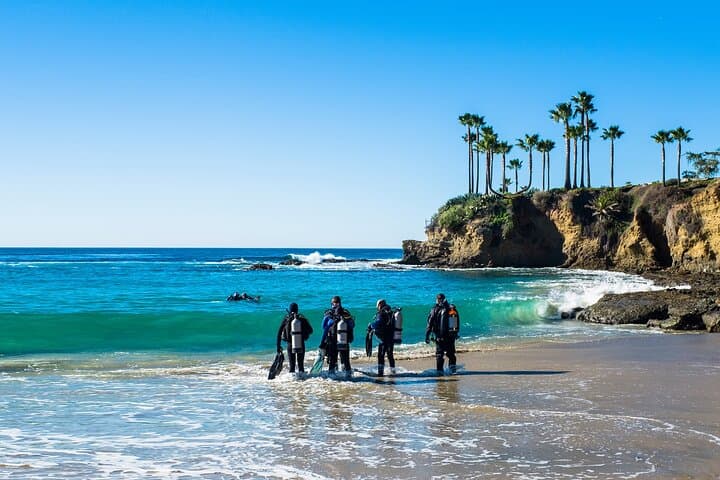
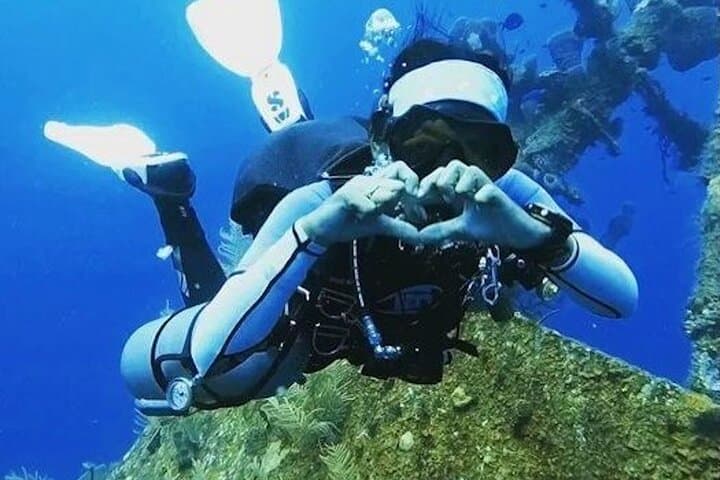
Salt spray and jungle heat hang in the air as you step from the boat onto a rocky cove inside Tayrona National Natural Park. The water looks impossibly clear—green-blue shallows backing into darker reefs—inviting and insistent. In a single morning you move from classroom beach briefing to two guided shallow dives, learning breathing, buoyancy and basic gear handling while coral gardens and small reef fish circle like curious neighbors.
Verified experiences and guided adventures in the surrounding area.
Operated by Scuba Carolina · Santa Marta, Magdalena
Salt spray and jungle heat hang in the air as you step from the boat onto a rocky cove inside Tayrona National Natural Park. The water looks impossibly clear—green-blue shallows backing into darker reefs—inviting and insistent. In a single morning you move from classroom beach briefing to two guided shallow dives, learning breathing, buoyancy and basic gear handling while coral gardens and small reef fish circle like curious neighbors.
Tayrona’s coastline is carved from both Caribbean currents and Sierra Nevada runoff: beaches sit beside rocky promontories where ancient river terraces meet coral growth. The area has long been home to indigenous Tayrona-descended communities; marine life and coastal culture have shaped local livelihoods for centuries. Divers here see reef structure built on limestone and coral skeletons, with seagrass beds in quieter coves.
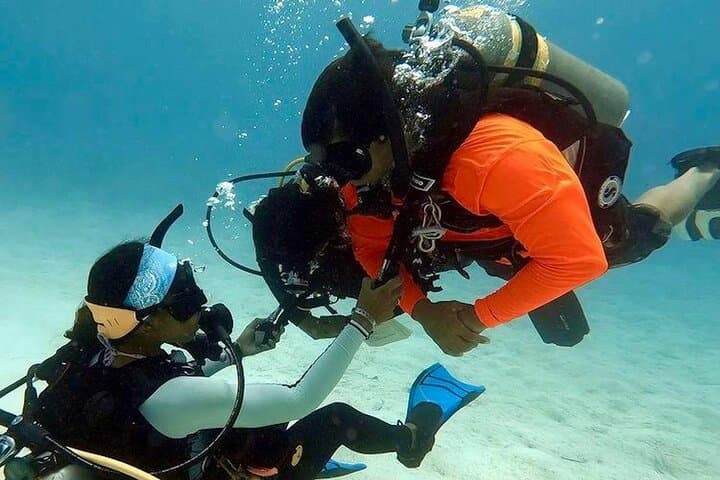
Expect hands-on instruction, short surface swims, and dives tailored for first-timers—maximum depth will be conservative, focused on comfort and safety. Instructors brief on signals, gear checks, and how to manage equalization; time between dives lets you consolidate skills and soak in shoreline views.
Practical tips: arrive hydrated and rested, wear reef-safe sunscreen before leaving the hotel but avoid applying it before entering the water, and bring a light snack for after the dives. Note the 24-hour no-fly rule post-diving. Weather and sea conditions can change quickly—operators may alter the plan for safety. For many, this course is the first clear step from curious swimmer to confident diver: short, structured, and designed to leave you wanting more.
easy.
4 hours.
Light to moderate fitness; should be comfortable swimming short distances and entering/exiting boats and rocky beaches.
No—this is an introductory course designed for first-time divers and does not grant an open-water certification, but it teaches core skills and includes two guided dives.
Operators typically set minimum age and require good cardiovascular health; pregnant travelers and those with certain heart issues are not recommended to participate.
Introductory dives are shallow and conservative, generally keeping participants within safe, shallow limits to prioritize comfort and training.
No—standard safety guidelines require waiting at least 24 hours after diving before flying to reduce decompression risk.
Tayrona’s coast has been inhabited for millennia by indigenous groups whose cultural ties to the sea shaped local fishing and settlement patterns.
Tayrona is a protected area with strict rules on reef contact and sunscreen; operators emphasize reef-safe products and minimal impact practices.
Scuba Carolina operates guided outdoor trips and adventures with an emphasis on safety, stewardship, and memorable experiences.
Salt spray and jungle heat hang in the air as you step from the boat onto a rocky cove inside Tayrona National Natural Park. The water looks impossibly clear—green-blue shallows backing into darker reefs—inviting and insistent. In a single morning you move from classroom beach briefing to two guided shallow dives, learning breathing, buoyancy and basic gear handling while coral gardens and small reef fish circle like curious neighbors.
Salt spray and jungle heat hang in the air as you step from the boat onto a rocky cove inside Tayrona National Natural Park. The water looks impossibly clear—green-blue shallows backing into darker reefs—inviting and insistent. In a single morning you move from classroom beach briefing to two guided shallow dives, learning breathing, buoyancy and basic gear handling while coral gardens and small reef fish circle like curious neighbors.
Tayrona’s coastline is carved from both Caribbean currents and Sierra Nevada runoff: beaches sit beside rocky promontories where ancient river terraces meet coral growth. The area has long been home to indigenous Tayrona-descended communities; marine life and coastal culture have shaped local livelihoods for centuries. Divers here see reef structure built on limestone and coral skeletons, with seagrass beds in quieter coves.
Expect hands-on instruction, short surface swims, and dives tailored for first-timers—maximum depth will be conservative, focused on comfort and safety. Instructors brief on signals, gear checks, and how to manage equalization; time between dives lets you consolidate skills and soak in shoreline views.
Practical tips: arrive hydrated and rested, wear reef-safe sunscreen before leaving the hotel but avoid applying it before entering the water, and bring a light snack for after the dives. Note the 24-hour no-fly rule post-diving. Weather and sea conditions can change quickly—operators may alter the plan for safety. For many, this course is the first clear step from curious swimmer to confident diver: short, structured, and designed to leave you wanting more.