THE ADVENTURE COLLECTIVE® · Independent discovery and booking for outdoor travel

Step from a beachfront dive centre into one of Tenerife’s liveliest shallow dive sites, where turtles, rays and angel sharks are regulars. This small-group, shore-based try-scuba is geared to first-timers and includes full scuba equipment and guided in-water instruction.
Step from a beachfront dive centre into one of Tenerife’s liveliest shallow dive sites, where turtles, rays and angel sharks are regulars. This small-group, shore-based try-scuba is geared to first-timers and includes full scuba equipment and guided in-water instruction.
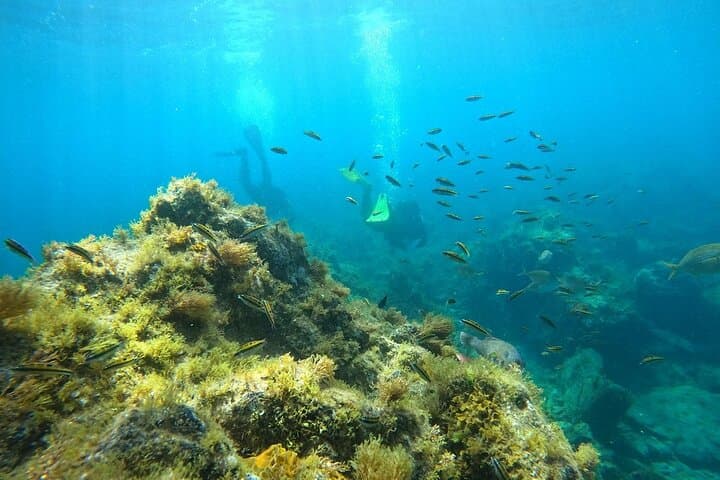
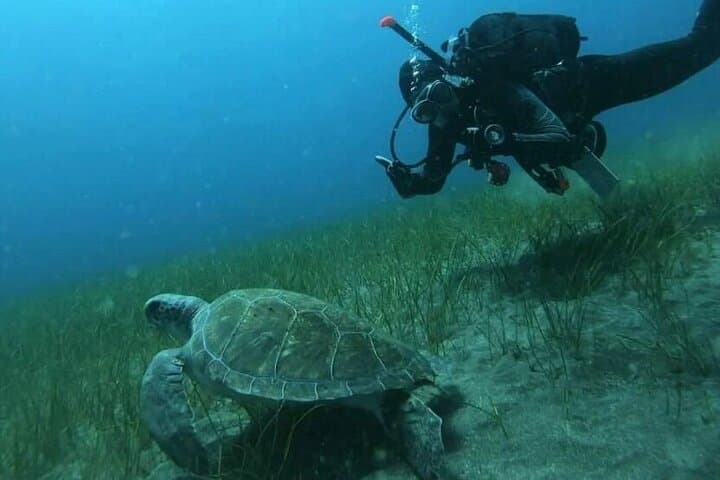
Sand grinds under your toes as the Atlantic breathes against a low volcanic rim; instructors walk you through gear on a 160 m² dive centre that opens onto a bay where turtles, rays and angel sharks move like deliberate currents.
Verified experiences and guided adventures in the surrounding area.
Operated by Tenerife Diving Academy · Los Cristianos, Tenerife
Sand grinds under your toes as the Atlantic breathes against a low volcanic rim; instructors walk you through gear on a 160 m² dive centre that opens onto a bay where turtles, rays and angel sharks move like deliberate currents.
This shore-based try-scuba puts beginners into protected shallows after a 30-minute briefing and basic in-water exercises. Tenerife’s south coast is forged from recent volcanics — black basalt shelves, sandy pockets and submerged lava formations create the ledges and channels that attract reef fish and larger visitors. The Canary Islands’ maritime culture grew from fishing and seafaring; local dive shops now trade those traditions for marine ecotourism, balancing access with care for fragile reefs.
Expect warm, clear water relative to higher latitudes, steady shores, and dive runs guided in pairs — maximum two guests per instructor. The centre supplies BCDs, regulators and tanks; transport pickup in an air-conditioned vehicle is typical here. Important safety notes: allow at least 12 hours before flying after the dive, disclose cardiovascular or spinal concerns, and follow the instructor’s depth limits.
Practical planning: wear swimwear under a wetsuit, bring a towel and reef-safe sunscreen, and arrive hydrated but not overly full. Book early for one of the very small groups and check local sea conditions; the south coast’s visibility and wildlife encounters are best on calm days. For first-timers the experience is direct, intimate and focused on safe, slow exploration of Tenerife’s nearshore marine life.
easy.
2–3 hours.
Suitable for people comfortable in the water and able to swim short distances; basic stamina for climbing in and out of shore entry is helpful.
No — this is a try-scuba/introductory experience with direct instructor supervision; no certification required to participate.
Age and health requirements vary by operator; many try-scuba programs accept children around 10 years old and up, but confirm during booking.
Introductory dives are shallow and controlled, typically within 6–12 metres under instructor supervision to prioritize safety and wildlife viewing.
Common sightings include sea turtles, sting/butterfly rays and occasionally angel sharks along the sandy shelves and reef edges.
Tenerife’s south coast is a product of relatively recent volcanic flows; fishing villages like Los Cristianos evolved into dive hubs as tourism and marine science grew in parallel.
Dive operators here emphasize low-impact practices — no touching or chasing animals, neutral buoyancy over reefs, and anchoring outside sensitive seagrass beds to protect habitats.
Tenerife Diving Academy operates guided outdoor trips and adventures with an emphasis on safety, stewardship, and memorable experiences.
Sand grinds under your toes as the Atlantic breathes against a low volcanic rim; instructors walk you through gear on a 160 m² dive centre that opens onto a bay where turtles, rays and angel sharks move like deliberate currents.
Sand grinds under your toes as the Atlantic breathes against a low volcanic rim; instructors walk you through gear on a 160 m² dive centre that opens onto a bay where turtles, rays and angel sharks move like deliberate currents.
This shore-based try-scuba puts beginners into protected shallows after a 30-minute briefing and basic in-water exercises. Tenerife’s south coast is forged from recent volcanics — black basalt shelves, sandy pockets and submerged lava formations create the ledges and channels that attract reef fish and larger visitors. The Canary Islands’ maritime culture grew from fishing and seafaring; local dive shops now trade those traditions for marine ecotourism, balancing access with care for fragile reefs.
Expect warm, clear water relative to higher latitudes, steady shores, and dive runs guided in pairs — maximum two guests per instructor. The centre supplies BCDs, regulators and tanks; transport pickup in an air-conditioned vehicle is typical here. Important safety notes: allow at least 12 hours before flying after the dive, disclose cardiovascular or spinal concerns, and follow the instructor’s depth limits.
Practical planning: wear swimwear under a wetsuit, bring a towel and reef-safe sunscreen, and arrive hydrated but not overly full. Book early for one of the very small groups and check local sea conditions; the south coast’s visibility and wildlife encounters are best on calm days. For first-timers the experience is direct, intimate and focused on safe, slow exploration of Tenerife’s nearshore marine life.