THE ADVENTURE COLLECTIVE® · Independent discovery and booking for outdoor travel

Float off Split’s waterfront and descend into the clear Adriatic on a beginner-friendly dive. This guided intro covers safety, basic skills and shallow reef exploration with photos and a diploma included.
Float off Split’s waterfront and descend into the clear Adriatic on a beginner-friendly dive. This guided intro covers safety, basic skills and shallow reef exploration with photos and a diploma included.
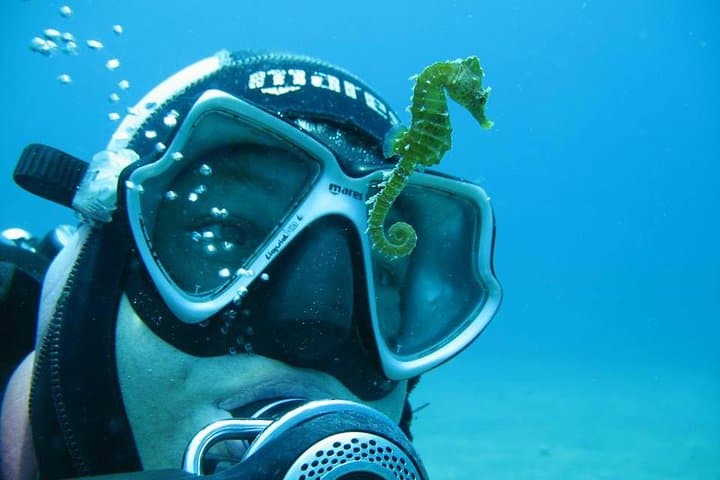
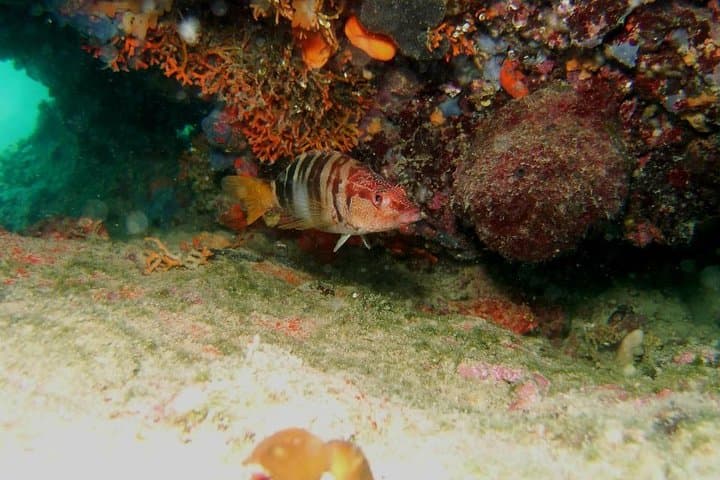
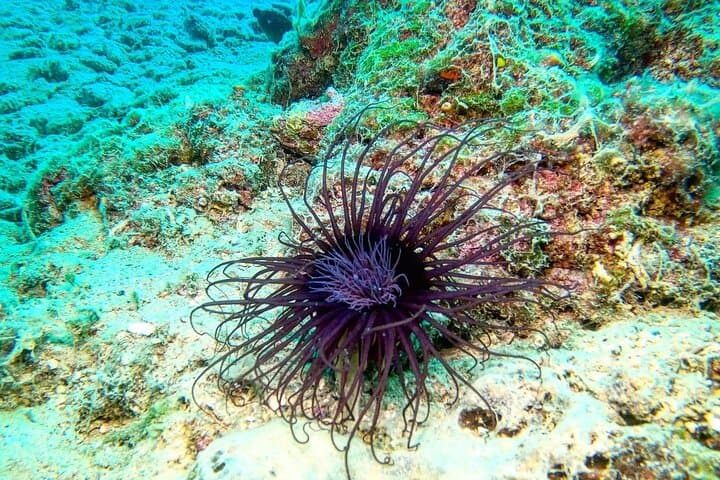
A small RIB cuts through the Adriatic and Split’s seafront slides astern — the city’s stone facades shrink while the sea opens. The water here is clear and cool, the rock under the surface a continuation of the karst cliffs that shape Dalmatia; below, fish pick their way around ancient boulders and the current teases the blades of seagrass.
Verified experiences and guided adventures in the surrounding area.
Operated by Open Water Croatia · Split, Split-Dalmatia
A small RIB cuts through the Adriatic and Split’s seafront slides astern — the city’s stone facades shrink while the sea opens. The water here is clear and cool, the rock under the surface a continuation of the karst cliffs that shape Dalmatia; below, fish pick their way around ancient boulders and the current teases the blades of seagrass.
Split’s maritime history runs long: Roman shipbuilders and later Dalmatian sailors used these same coves. Geology is visible at shallow depths — limestone ledges, fissures and isolated reef-like outcrops formed by millennia of wave action. Local culture still orients around the sea; small fishing boats and dive skiffs can be seen off the Marjan headland and neighboring islands like Brač and Šolta.
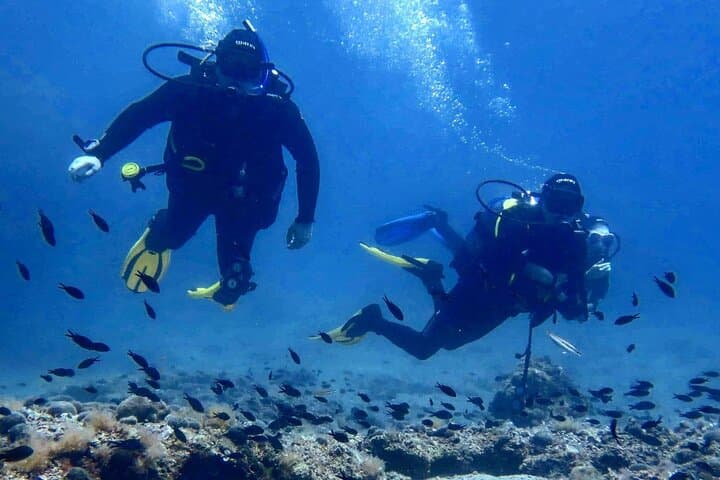
Practical guide: this is a supervised introductory dive (approx. 2–3 hours total), aimed at first-timers and certified divers who want a local walkthrough. Instruction, all basic equipment, photos/videos and a participation diploma are included. Typical try-dive depths are shallow (around 6–12 m) with calm conditions, and groups are small (max 4). Expect a hotel pick-up, a short ride to the site, a safety briefing, and 30–45 minutes in the water.
Bring swimwear, a towel and sun protection; if you’re prone to seasickness take precautions. Moderate fitness and basic swimming ability are required. Respect local marine life, follow your instructor’s signals and surface procedures, and you’ll leave with a clear sense of why the Adriatic draws divers back year after year.
moderate.
2–3 hours.
Moderate — comfortable swimming and basic mobility required
No — the experience is tailored for first-time divers; certified divers can join to explore local sites.
Introductory dives are typically shallow, around 6–12 meters, to keep conditions comfortable and safe for beginners.
Yes — all basic diving equipment is supplied at no extra charge, including mask, regulator, BCD and wetsuit.
Yes — the package includes pictures and videos taken by the instructor or guide.
Split grew around the 4th-century Diocletian’s Palace and has long been a regional seafaring hub; many dive sites sit near old shipping and fishing routes.
Respect Posidonia (seagrass) beds and avoid touching reef life; local operators support low-impact practices and brief guests on no-take policies.
Open Water Croatia operates guided outdoor trips and adventures with an emphasis on safety, stewardship, and memorable experiences.
A small RIB cuts through the Adriatic and Split’s seafront slides astern — the city’s stone facades shrink while the sea opens. The water here is clear and cool, the rock under the surface a continuation of the karst cliffs that shape Dalmatia; below, fish pick their way around ancient boulders and the current teases the blades of seagrass.
A small RIB cuts through the Adriatic and Split’s seafront slides astern — the city’s stone facades shrink while the sea opens. The water here is clear and cool, the rock under the surface a continuation of the karst cliffs that shape Dalmatia; below, fish pick their way around ancient boulders and the current teases the blades of seagrass.
Split’s maritime history runs long: Roman shipbuilders and later Dalmatian sailors used these same coves. Geology is visible at shallow depths — limestone ledges, fissures and isolated reef-like outcrops formed by millennia of wave action. Local culture still orients around the sea; small fishing boats and dive skiffs can be seen off the Marjan headland and neighboring islands like Brač and Šolta.
Practical guide: this is a supervised introductory dive (approx. 2–3 hours total), aimed at first-timers and certified divers who want a local walkthrough. Instruction, all basic equipment, photos/videos and a participation diploma are included. Typical try-dive depths are shallow (around 6–12 m) with calm conditions, and groups are small (max 4). Expect a hotel pick-up, a short ride to the site, a safety briefing, and 30–45 minutes in the water.
Bring swimwear, a towel and sun protection; if you’re prone to seasickness take precautions. Moderate fitness and basic swimming ability are required. Respect local marine life, follow your instructor’s signals and surface procedures, and you’ll leave with a clear sense of why the Adriatic draws divers back year after year.