THE ADVENTURE COLLECTIVE® · Independent discovery and booking for outdoor travel

Step off the boat and take your first breath underwater at Cook Island, a protected reef teeming with turtles and colorful reef fish. This guided try-scuba experience is designed for beginners and runs as a half-day outing from the Gold Coast.
Step off the boat and take your first breath underwater at Cook Island, a protected reef teeming with turtles and colorful reef fish. This guided try-scuba experience is designed for beginners and runs as a half-day outing from the Gold Coast.
Salt spray and the dull thunk of waves on the tender put you on edge as the shoreline of Cook Island slides into view — a rounded hump of basalt studded with reef life, breaking the long sweep of the Gold Coast horizon. Underwater, the current reshapes the scene: a living wall of corals, ledges and sandy gutters that invite a first breath and a slow, steady descent.
Verified experiences and guided adventures in the surrounding area.
Operated by Gold Coast Dive Centre & Marine Training College · Tweed Heads, New South Wales
Salt spray and the dull thunk of waves on the tender put you on edge as the shoreline of Cook Island slides into view — a rounded hump of basalt studded with reef life, breaking the long sweep of the Gold Coast horizon. Underwater, the current reshapes the scene: a living wall of corals, ledges and sandy gutters that invite a first breath and a slow, steady descent.
Cook Island sits off Fingal Head near the NSW–Queensland border within a protected aquatic reserve. The volcanic rocks and offshore reef systems formed during older coastal uplift provide pockets and overhangs where turtles graze and wobbegong sharks tuck into crevices. The area is also significant to the local Bundjalung people and has been managed for conservation for decades, so operators work within strict no-take and no-touch rules.
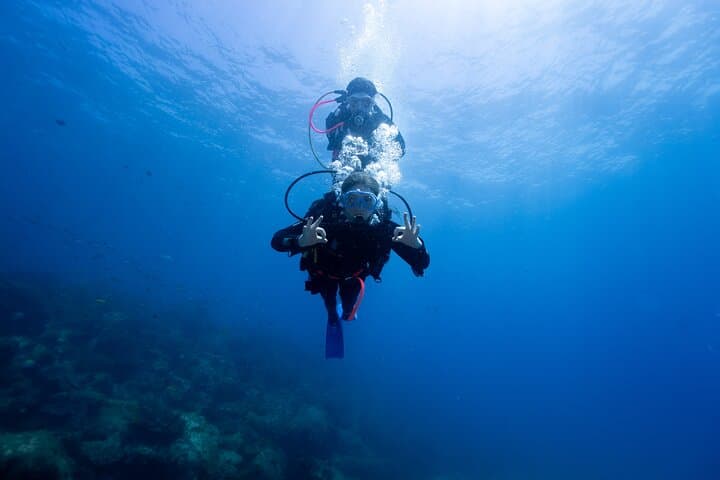
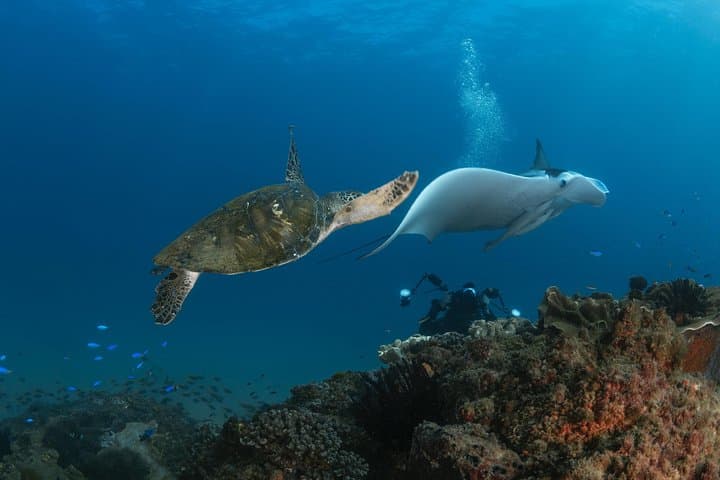
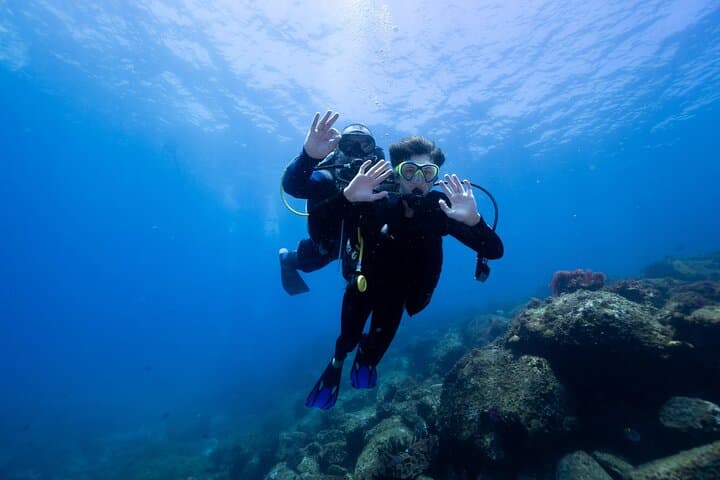
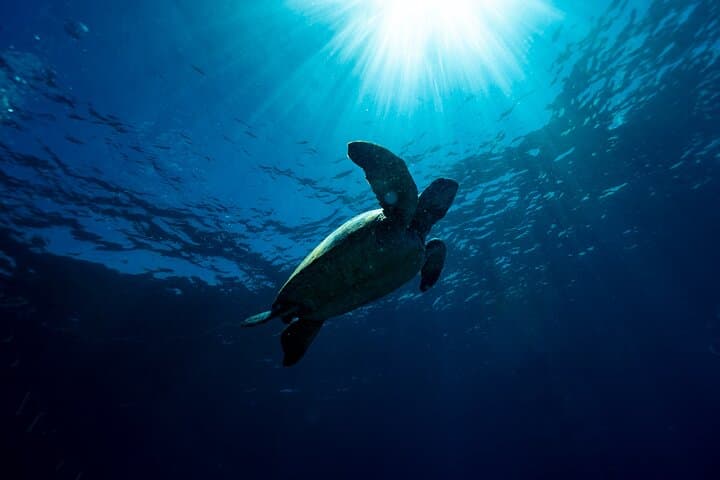
A guided try-scuba experience here suits beginners: small groups, full scuba gear provided, and instructors who introduce equalization, regulator breathing and safety stops before you slip beneath the surface. Expect colorful reef fish, occasional stingrays and the slow glide of green turtles, especially in warmer months when plankton blooms draw them close.
Plan for a half-day outing — boat transit, surface briefings and two shallow guided dives typically take around six hours. Practical tips: arrive hydrated, bring a sunscreen-safe rash guard, and disclose health conditions on the pre-dive medical form. Weather and swell determine whether Cook Island is accessible; operators may reroute or reschedule for safety. For a first underwater breath amid reef and turtle traffic, Cook Island is direct, vivid and thoroughly marine.
moderate.
6 hours.
Moderate fitness; you should be comfortable swimming short distances and performing basic water tasks like treading water and clearing a mask.
No — this is a guided try-scuba program designed for people without an Open Water certificate; instruction and gear are provided.
Minimum age is generally 10 years old, and younger divers require closer instructor supervision; check operator requirements when booking.
Common sightings include green turtles, stingrays, reef fish like parrotfish and surgeonfish, and occasionally wobbegong sharks in crevices during warmer months.
Cook Island trips are weather-dependent; operators will cancel or reschedule for safety and offer refunds if canceled more than 24 hours before departure per the booking policy.
Cook Island sits within the Cook Island Aquatic Reserve and is part of coastal waters used historically by the Bundjalung people; marine protection has limited extractive activities to preserve reef communities.
The site is managed as an aquatic reserve with no-take rules and strict diver conduct — avoid touching or removing marine life and follow guide instructions to reduce impact.
Gold Coast Dive Centre & Marine Training College operates guided outdoor trips and adventures with an emphasis on safety, stewardship, and memorable experiences.
Salt spray and the dull thunk of waves on the tender put you on edge as the shoreline of Cook Island slides into view — a rounded hump of basalt studded with reef life, breaking the long sweep of the Gold Coast horizon. Underwater, the current reshapes the scene: a living wall of corals, ledges and sandy gutters that invite a first breath and a slow, steady descent.
Salt spray and the dull thunk of waves on the tender put you on edge as the shoreline of Cook Island slides into view — a rounded hump of basalt studded with reef life, breaking the long sweep of the Gold Coast horizon. Underwater, the current reshapes the scene: a living wall of corals, ledges and sandy gutters that invite a first breath and a slow, steady descent.
Cook Island sits off Fingal Head near the NSW–Queensland border within a protected aquatic reserve. The volcanic rocks and offshore reef systems formed during older coastal uplift provide pockets and overhangs where turtles graze and wobbegong sharks tuck into crevices. The area is also significant to the local Bundjalung people and has been managed for conservation for decades, so operators work within strict no-take and no-touch rules.
A guided try-scuba experience here suits beginners: small groups, full scuba gear provided, and instructors who introduce equalization, regulator breathing and safety stops before you slip beneath the surface. Expect colorful reef fish, occasional stingrays and the slow glide of green turtles, especially in warmer months when plankton blooms draw them close.
Plan for a half-day outing — boat transit, surface briefings and two shallow guided dives typically take around six hours. Practical tips: arrive hydrated, bring a sunscreen-safe rash guard, and disclose health conditions on the pre-dive medical form. Weather and swell determine whether Cook Island is accessible; operators may reroute or reschedule for safety. For a first underwater breath amid reef and turtle traffic, Cook Island is direct, vivid and thoroughly marine.