THE ADVENTURE COLLECTIVE® · Independent discovery and booking for outdoor travel

Learn breath-hold basics and take guided sessions on the reef in Desa Ped, Nusa Penida. This half-day Try Freediving course blends classroom drills with shallow open-water practice suitable for confident swimmers.
Learn breath-hold basics and take guided sessions on the reef in Desa Ped, Nusa Penida. This half-day Try Freediving course blends classroom drills with shallow open-water practice suitable for confident swimmers.
You stand on a narrow strip of sand in Desa Ped, salt drying on your lips, as instructors unfold a lesson plan on breath, relaxation and equalization. The classroom is open-air; beyond it the reef falls away in bands of blue. For the next three hours you move from theory to the waterline, learning how a calm diaphragm and steady rhythm let you slip under the surface while the reef holds its breath.
Verified experiences and guided adventures in the surrounding area.
Operated by Freedive Nusa · Ped (Nusa Penida), Bali
You stand on a narrow strip of sand in Desa Ped, salt drying on your lips, as instructors unfold a lesson plan on breath, relaxation and equalization. The classroom is open-air; beyond it the reef falls away in bands of blue. For the next three hours you move from theory to the waterline, learning how a calm diaphragm and steady rhythm let you slip under the surface while the reef holds its breath.
Nusa Penida is an uplifted coral island shaped by tectonic lift and powerful currents; that geology creates steep reef walls and cleaning stations that attract mantas and turtles. The island’s villages keep a sea-first culture — small temples, fishing boats and reef stewardship coexist with tourism. Freediving here is as much about listening to currents as it is about watching wildlife.
Practical guidance: arrive as a confident swimmer, be ready for a half-day schedule with 90 minutes of classroom drills and surface work followed by guided sessions on the home reef. Instructors provide freediving equipment and digital learning materials; personal mask and fins improve fit. Expect variable currents — the school chooses sheltered entry points in Ped but conditions can shift with the tide.
Safety and comfort tips: hydrate well, avoid heavy meals right before the water, and communicate openly about equalization or ear issues. Respect the reef: no touching, no fin kicks over corals, and use reef‑safe sunscreen. Come prepared to move slowly, breathe calmly and let the ocean’s rhythm set your pace.
moderate.
3 hours.
Should have moderate fitness — comfortable swimming and ability to tread water and perform repeated breath-hold exercises.
No — the Try Freediving course teaches basic breath-hold technique, equalization and safety; you only need to be a confident swimmer.
Children from age 4 can participate if accompanied by an adult, but instructors will assess suitability for very young participants.
Sessions can be postponed or relocated to more sheltered reef areas; cancellation policies allow a full refund if cancelled at least 24 hours prior.
Yes — freediving equipment and drinking water are included, and digital learning materials are provided after the course.
Nusa Penida’s reefs formed from raised coral limestone and support traditional fishing villages; recent protections have focused on manta and turtle conservation.
Operators encourage reef‑safe sunscreen and no‑touch policies; local NGOs and communities run manta sanctuaries and reef restoration projects to reduce tourist impact.
Freedive Nusa operates guided outdoor trips and adventures with an emphasis on safety, stewardship, and memorable experiences.
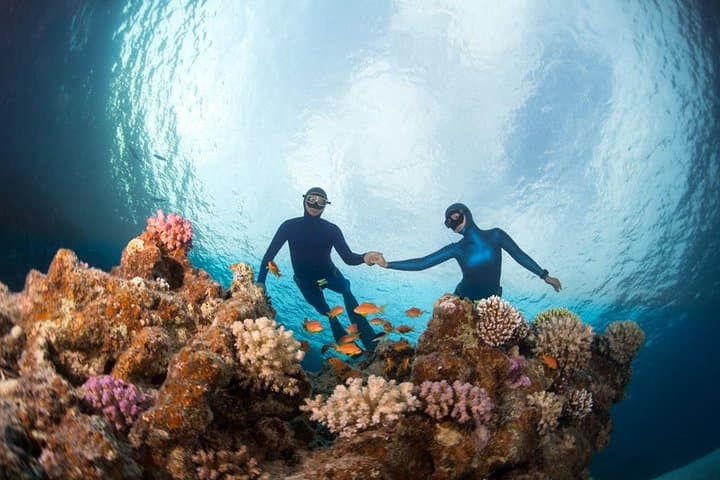
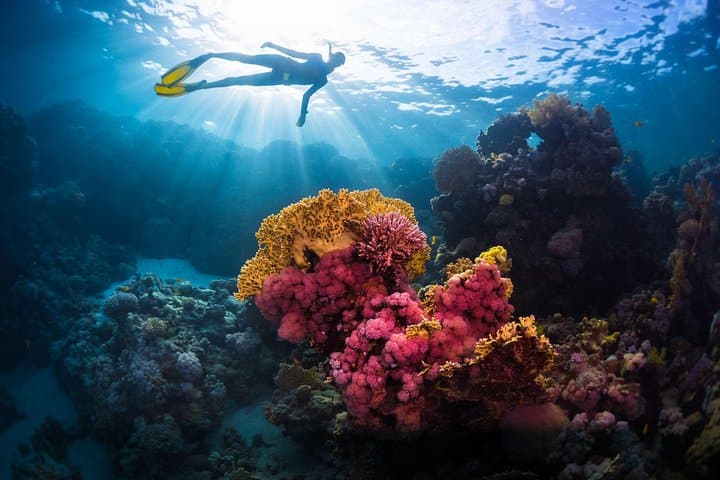


You stand on a narrow strip of sand in Desa Ped, salt drying on your lips, as instructors unfold a lesson plan on breath, relaxation and equalization. The classroom is open-air; beyond it the reef falls away in bands of blue. For the next three hours you move from theory to the waterline, learning how a calm diaphragm and steady rhythm let you slip under the surface while the reef holds its breath.
You stand on a narrow strip of sand in Desa Ped, salt drying on your lips, as instructors unfold a lesson plan on breath, relaxation and equalization. The classroom is open-air; beyond it the reef falls away in bands of blue. For the next three hours you move from theory to the waterline, learning how a calm diaphragm and steady rhythm let you slip under the surface while the reef holds its breath.
Nusa Penida is an uplifted coral island shaped by tectonic lift and powerful currents; that geology creates steep reef walls and cleaning stations that attract mantas and turtles. The island’s villages keep a sea-first culture — small temples, fishing boats and reef stewardship coexist with tourism. Freediving here is as much about listening to currents as it is about watching wildlife.
Practical guidance: arrive as a confident swimmer, be ready for a half-day schedule with 90 minutes of classroom drills and surface work followed by guided sessions on the home reef. Instructors provide freediving equipment and digital learning materials; personal mask and fins improve fit. Expect variable currents — the school chooses sheltered entry points in Ped but conditions can shift with the tide.
Safety and comfort tips: hydrate well, avoid heavy meals right before the water, and communicate openly about equalization or ear issues. Respect the reef: no touching, no fin kicks over corals, and use reef‑safe sunscreen. Come prepared to move slowly, breathe calmly and let the ocean’s rhythm set your pace.