THE ADVENTURE COLLECTIVE® · Independent discovery and booking for outdoor travel

Spend a full day by speedboat from Sanur to Nusa Penida for supervised try-dives at Manta Point. Get up close to manta rays and turtles in vibrant southern reefs without a certification.
Spend a full day by speedboat from Sanur to Nusa Penida for supervised try-dives at Manta Point. Get up close to manta rays and turtles in vibrant southern reefs without a certification.
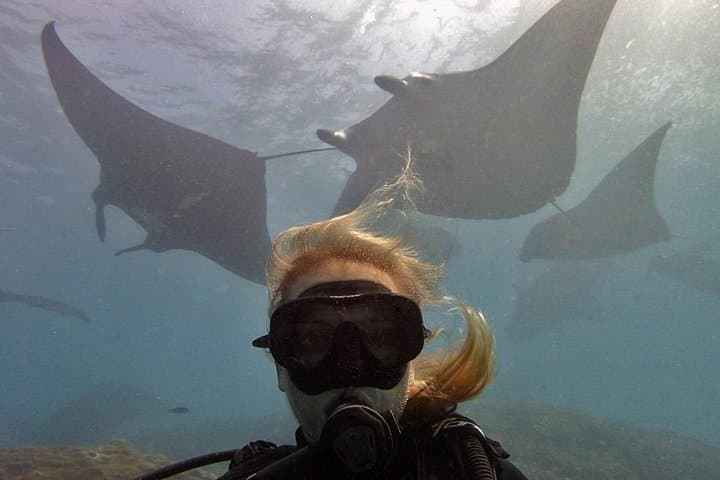
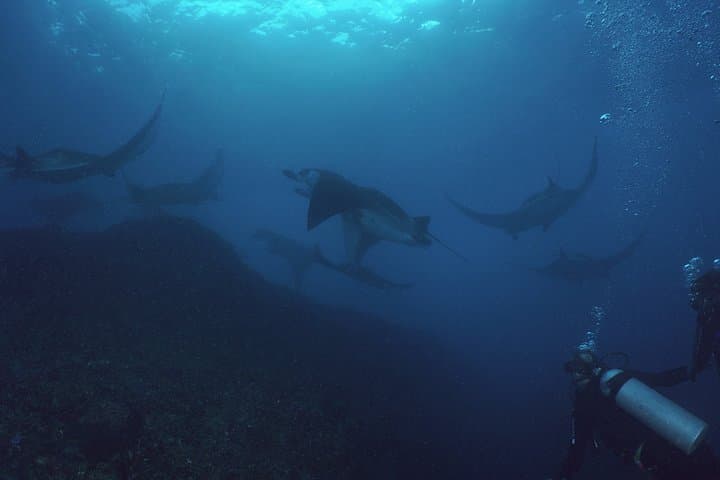
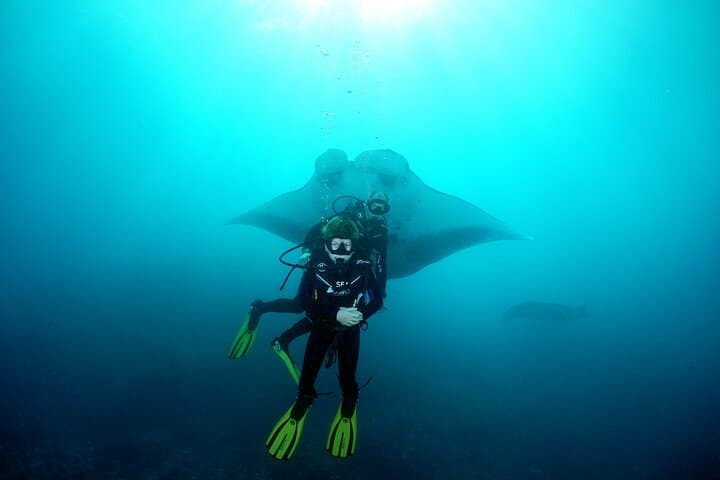
The morning sea is a slab of glass as the speedboat slips away from Sanur, Balinese shoreline shrinking to a line of palms and clay-tiled roofs. An hour later, Nusa Penida’s jagged reef rises from deep blue; current whispers at the hull and the crew readies tanks. On a try-dive here, you descend under an instructor’s arm and the ocean seems to open—manta rays glide like living wings and turtles pick through healthy coral gardens that fringe the island’s southern slopes.
Verified experiences and guided adventures in the surrounding area.
Operated by Zero Gravity Diving · Nusa Penida, Bali
The morning sea is a slab of glass as the speedboat slips away from Sanur, Balinese shoreline shrinking to a line of palms and clay-tiled roofs. An hour later, Nusa Penida’s jagged reef rises from deep blue; current whispers at the hull and the crew readies tanks. On a try-dive here, you descend under an instructor’s arm and the ocean seems to open—manta rays glide like living wings and turtles pick through healthy coral gardens that fringe the island’s southern slopes.
Geology on Nusa Penida is volcanic uplift: steep cliffs and terraces formed by tectonic push and reef growth. The manta cleaning stations occur where nutrient-rich currents bring plankton; culturally, the island remains more traditional than mainland Bali, with small fishing villages and shrines near landing beaches. Expect warm water, strong sun, and an environment shaped by both wave-cut cliffs and vibrant marine life.
Practical notes: this is a supervised try-dive designed for people without certification. You’ll do two guided dives from the boat plus surface intervals; plan on a full-day (roughly 7:00–15:00). Operators brief you on basic skills, emergency procedures, and weighting before entering the water. Because currents can be strong, instructors keep groups small (often one instructor per two guests) and use surface markers and ropes when necessary.
Bring a reef-safe sunscreen, a light rashguard for surface intervals, and a waterproof camera if you want close-up memories. Hydrate before boarding, follow the medical form guidance, and avoid flying for at least 18–24 hours after diving. For many, the encounter with mantas is quiet and arresting—the ocean daring you to move slow and look up.
moderate.
8 hours (full-day).
Basic swimming ability and comfort in open water; not strenuous but requires mobility on a boat and during water entry/exit.
No—this is a PADI try-dive program designed for non-certified divers under direct supervision of an instructor.
The speedboat ride is approximately 45 minutes to an hour to reach Nusa Penida dive sites, depending on sea conditions.
Participants should be comfortable in water and able to swim; operators list the activity as suitable for most fitness levels but require a medical form.
Sightings are common at Manta Point but not guaranteed—seasonal plankton and currents influence manta presence, so operators plan sites to maximize chances.
Nusa Penida’s coastline reflects volcanic uplift and reef growth; local villages maintain Balinese traditions with small family temples and fishing practices still common.
Operators often emphasize reef-safe products and no-touch policies; sticking to established dive practices reduces contact with fragile corals and protects manta cleaning stations.
Zero Gravity Diving operates guided outdoor trips and adventures with an emphasis on safety, stewardship, and memorable experiences.
The morning sea is a slab of glass as the speedboat slips away from Sanur, Balinese shoreline shrinking to a line of palms and clay-tiled roofs. An hour later, Nusa Penida’s jagged reef rises from deep blue; current whispers at the hull and the crew readies tanks. On a try-dive here, you descend under an instructor’s arm and the ocean seems to open—manta rays glide like living wings and turtles pick through healthy coral gardens that fringe the island’s southern slopes.
The morning sea is a slab of glass as the speedboat slips away from Sanur, Balinese shoreline shrinking to a line of palms and clay-tiled roofs. An hour later, Nusa Penida’s jagged reef rises from deep blue; current whispers at the hull and the crew readies tanks. On a try-dive here, you descend under an instructor’s arm and the ocean seems to open—manta rays glide like living wings and turtles pick through healthy coral gardens that fringe the island’s southern slopes.
Geology on Nusa Penida is volcanic uplift: steep cliffs and terraces formed by tectonic push and reef growth. The manta cleaning stations occur where nutrient-rich currents bring plankton; culturally, the island remains more traditional than mainland Bali, with small fishing villages and shrines near landing beaches. Expect warm water, strong sun, and an environment shaped by both wave-cut cliffs and vibrant marine life.
Practical notes: this is a supervised try-dive designed for people without certification. You’ll do two guided dives from the boat plus surface intervals; plan on a full-day (roughly 7:00–15:00). Operators brief you on basic skills, emergency procedures, and weighting before entering the water. Because currents can be strong, instructors keep groups small (often one instructor per two guests) and use surface markers and ropes when necessary.
Bring a reef-safe sunscreen, a light rashguard for surface intervals, and a waterproof camera if you want close-up memories. Hydrate before boarding, follow the medical form guidance, and avoid flying for at least 18–24 hours after diving. For many, the encounter with mantas is quiet and arresting—the ocean daring you to move slow and look up.