THE ADVENTURE COLLECTIVE® · Independent discovery and booking for outdoor travel

Make your first breath underwater on Cozumel’s famed reef: a guided discovery dive that pairs short, shallow practice with a second reef dive among turtles, rays and busy coral gardens. Small groups and hands-on instructors make this a practical entry into scuba.
Make your first breath underwater on Cozumel’s famed reef: a guided discovery dive that pairs short, shallow practice with a second reef dive among turtles, rays and busy coral gardens. Small groups and hands-on instructors make this a practical entry into scuba.
You step off the ferry with salt in your hair and the marina breathing a steady warmth; the dive boat rocks gently as instructors check tanks and rigs. The shallow training area sits just off the shore—calm water, clear visibility—and it’s here novices trade surface air for regulated breath, learning signals and equalizing in waist-to-chest depth before the reef calls.
Verified experiences and guided adventures in the surrounding area.
Operated by Dive Guru · San Miguel de Cozumel, Quintana Roo
You step off the ferry with salt in your hair and the marina breathing a steady warmth; the dive boat rocks gently as instructors check tanks and rigs. The shallow training area sits just off the shore—calm water, clear visibility—and it’s here novices trade surface air for regulated breath, learning signals and equalizing in waist-to-chest depth before the reef calls.
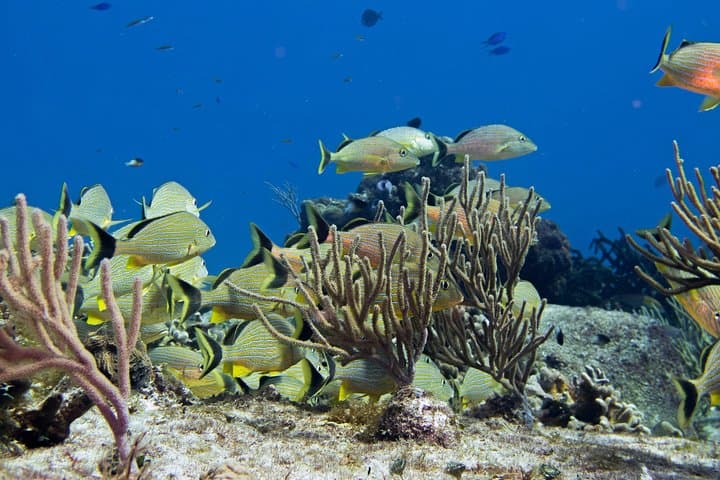
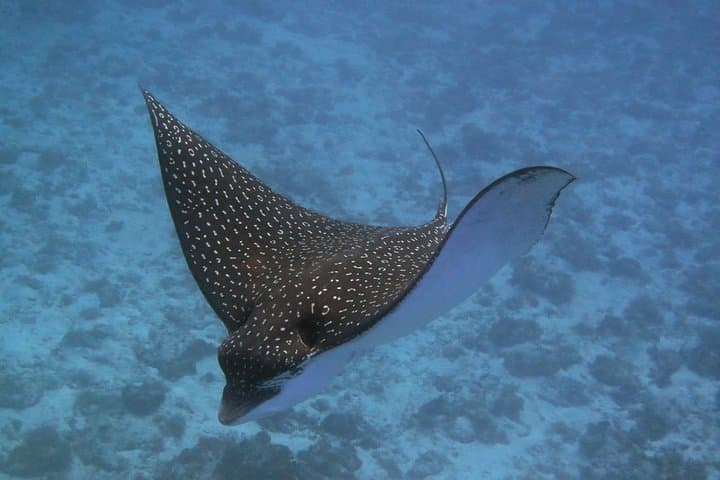
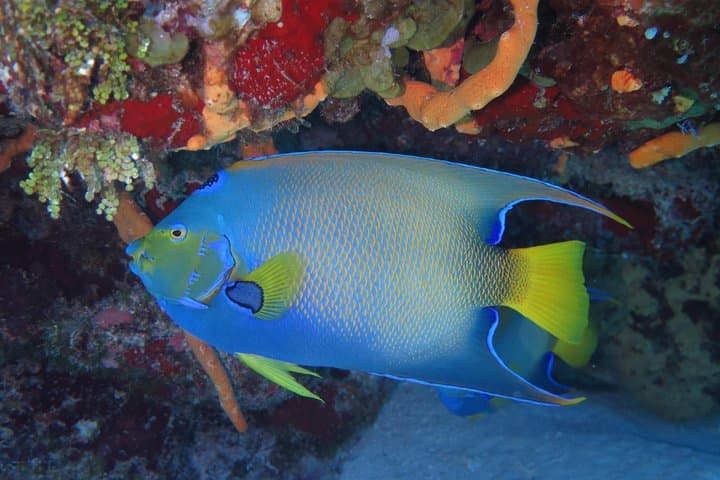
Cozumel sits on the western edge of the Mesoamerican Barrier Reef, the second-largest coral barrier in the world. The island’s reefs are built from robust hard corals and living gardens that attract hawksbill turtles, rays, lobsters and dense schools of tropical fish. The island also carries a human history: Maya sailors revered Cozumel as a pilgrimage site to Ixchel, the moon goddess, and the reefs long supported local fisheries.
Practically, this is a discovery dive designed for first-timers: two guided dives of roughly 30–40 minutes each with max depth around 12 m (36 ft), small instructor-to-student ratios (about 1:2–3), and surface time between dives for a light lunch and gear swap. Expect briefings on basic physics, hand signals, and safe buoyancy habits.
Plan to arrive hydrated, with light sun protection and footwear for a rocky dock. If you’re prone to seasickness, take prevention measures the morning of the trip. Respect the reef: no touching, no standing on corals, and use reef-safe sunscreen. For many visitors, the first breath underwater is the clearest invitation Cozumel offers—a focused, engine-like current from the reef that seems to push curiosity forward.
easy.
7 hours.
Suitable for those in average health and comfortable in water; minimal cardiovascular exertion but basic mobility required for boarding and kneeling.
No—this is a discovery/try-dive program designed for beginners; an instructor supervises all skills and dives.
Dives are shallow for introductory divers with a maximum depth around 12 meters (36 feet) and typical bottom times of 30–40 minutes.
Operators usually require participants to be in good health; conditions like serious heart or back problems, pregnancy, or uncontrolled diabetes may disqualify you—check specific age minimums when booking.
Yes—the trip includes use of SCUBA equipment and bottled water; confirm if boots, gloves or a personal mask are recommended to bring.
Cozumel has long been important to regional seafaring and was an island of pilgrimage for the Maya; its reef has supported communities for centuries.
The Mesoamerican Reef faces pressure from tourism and runoff—use reef-safe products, avoid touching marine life, and follow local marine park rules to minimize impact.
Dive Guru operates guided outdoor trips and adventures with an emphasis on safety, stewardship, and memorable experiences.
You step off the ferry with salt in your hair and the marina breathing a steady warmth; the dive boat rocks gently as instructors check tanks and rigs. The shallow training area sits just off the shore—calm water, clear visibility—and it’s here novices trade surface air for regulated breath, learning signals and equalizing in waist-to-chest depth before the reef calls.
You step off the ferry with salt in your hair and the marina breathing a steady warmth; the dive boat rocks gently as instructors check tanks and rigs. The shallow training area sits just off the shore—calm water, clear visibility—and it’s here novices trade surface air for regulated breath, learning signals and equalizing in waist-to-chest depth before the reef calls.
Cozumel sits on the western edge of the Mesoamerican Barrier Reef, the second-largest coral barrier in the world. The island’s reefs are built from robust hard corals and living gardens that attract hawksbill turtles, rays, lobsters and dense schools of tropical fish. The island also carries a human history: Maya sailors revered Cozumel as a pilgrimage site to Ixchel, the moon goddess, and the reefs long supported local fisheries.
Practically, this is a discovery dive designed for first-timers: two guided dives of roughly 30–40 minutes each with max depth around 12 m (36 ft), small instructor-to-student ratios (about 1:2–3), and surface time between dives for a light lunch and gear swap. Expect briefings on basic physics, hand signals, and safe buoyancy habits.
Plan to arrive hydrated, with light sun protection and footwear for a rocky dock. If you’re prone to seasickness, take prevention measures the morning of the trip. Respect the reef: no touching, no standing on corals, and use reef-safe sunscreen. For many visitors, the first breath underwater is the clearest invitation Cozumel offers—a focused, engine-like current from the reef that seems to push curiosity forward.