THE ADVENTURE COLLECTIVE® · Independent discovery and booking for outdoor travel

Cross Lake Batur to visit Trunyan, an indigenous Bali Aga village where open-air burial practices and volcanic views offer a singular cultural experience. This private day tour pairs village access with mountain lunches and local coffee tasting.
Cross Lake Batur to visit Trunyan, an indigenous Bali Aga village where open-air burial practices and volcanic views offer a singular cultural experience. This private day tour pairs village access with mountain lunches and local coffee tasting.
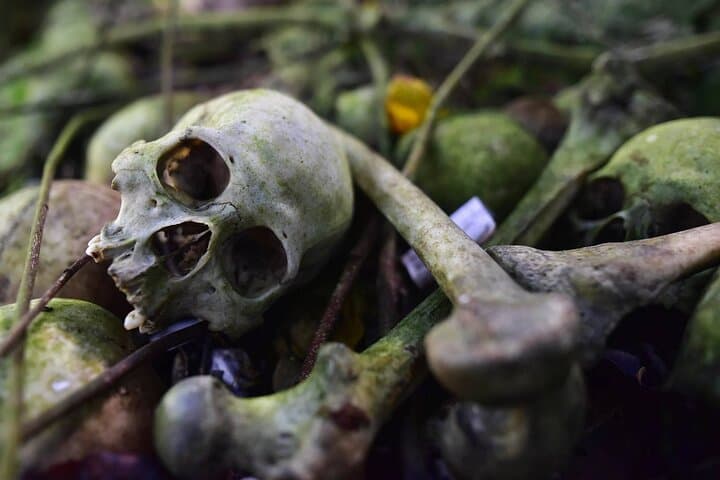
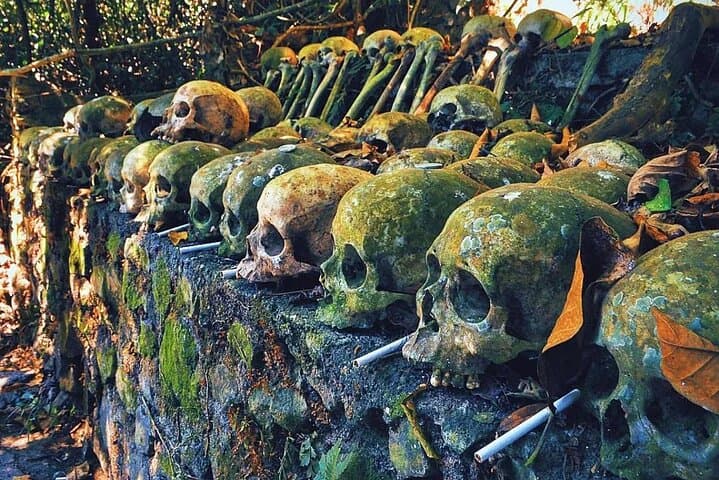
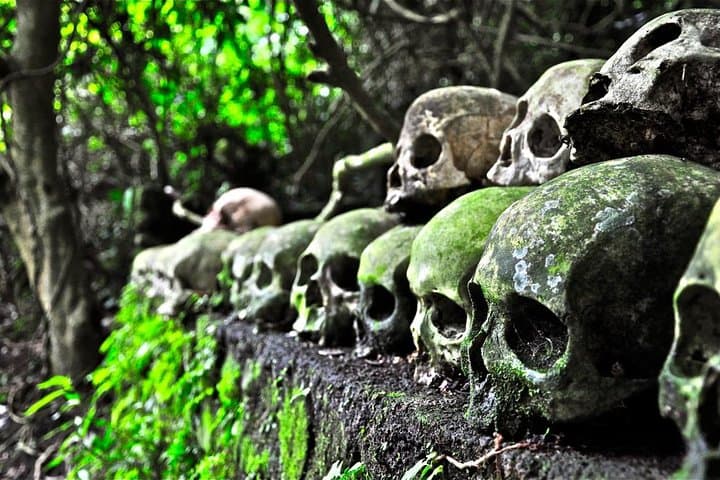
The boat cuts a narrow wake across Lake Batur and the island of Trunyan slides into view—flat roofs, stately banyans, and the pale shapes of skull-topped graves hulled out against a volcanic skyline. The air carries peat and incense; the lake seems to hold its breath as you approach the village that follows an older rhythm than the rice terraces beyond.
Verified experiences and guided adventures in the surrounding area.
Operated by Bali Private Tour Id · Kintamani, Bali
The boat cuts a narrow wake across Lake Batur and the island of Trunyan slides into view—flat roofs, stately banyans, and the pale shapes of skull-topped graves hulled out against a volcanic skyline. The air carries peat and incense; the lake seems to hold its breath as you approach the village that follows an older rhythm than the rice terraces beyond.
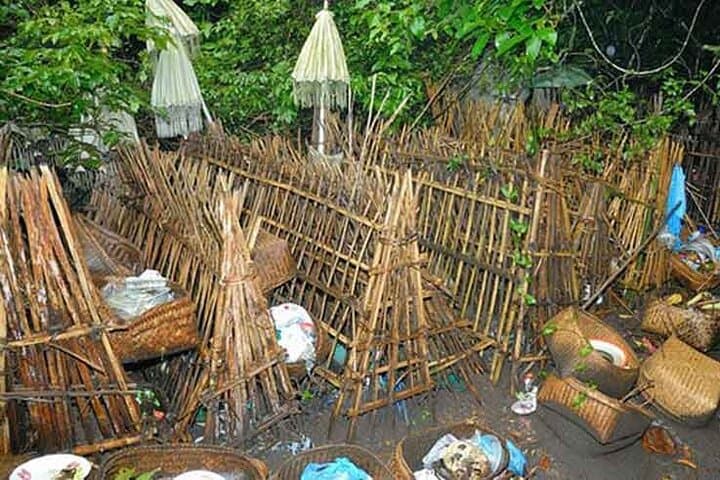
Trunyan is one of Bali Aga’s remaining settlements, the island people who predate the Majapahit-era Hindu influx. Geologically, the village sits inside Batur’s caldera; the lake and surrounding ash soils shape local agriculture and the slow-moving microclimate. Cultural practice here is distinct: bodies are traditionally placed above ground and shrouded near a fragrant tree called taru menyan, a custom that astonishes many visitors and requires respectful distance and quiet observation.
On a private tour you’ll typically combine the village visit with lunch at a mountainside restaurant and a tasting of local coffee—often including civet (kopi luwak). Expect short walks across uneven village tracks, a brief boat transfer, and long sightlines to Mount Batur.
Practical guidance: plan for an 8–10 hour day from Ubud, bring sun protection and insect repellent, and wear sturdy, grippy shoes for wet earth and uneven boardwalks. Photography may be restricted near the open cemetery—follow your guide’s instructions. Early departures give softer light on the caldera and thinner crowds. Finally, support local vendors and leave no trace; this community balances tradition with a growing interest in respectful tourism.
easy.
8–10 hours.
Suitable for most fitness levels; expect short, easy walks on uneven surfaces and a few steps getting on/off boats.
Most tours include round-trip transfers from Ubud and a short local boat crossing across Lake Batur to the village; confirm boat arrangements with your operator.
Yes, but it is a sacred site—visitors observe from designated areas, follow guide instructions, and avoid touching remains or funeral objects.
Many operators include a coffee tasting stop where you can sample local brews, often including kopi luwak; ask about ingredients and sourcing if you have ethical concerns.
Dry season months (May–October) offer clearer skies and calmer lake conditions; the wet season can have sudden rain and heavier clouds obscuring mountain views.
Trunyan is inhabited by Bali Aga people who maintain pre-Hindu customs, including a unique above-ground funerary practice linked to local beliefs and the taru menyan tree.
Rising visitor numbers and lake pollution pressure the local ecosystem; opt for operators who use responsible waste practices and support community-based tourism.
Bali Private Tour Id operates guided outdoor trips and adventures with an emphasis on safety, stewardship, and memorable experiences.
The boat cuts a narrow wake across Lake Batur and the island of Trunyan slides into view—flat roofs, stately banyans, and the pale shapes of skull-topped graves hulled out against a volcanic skyline. The air carries peat and incense; the lake seems to hold its breath as you approach the village that follows an older rhythm than the rice terraces beyond.
The boat cuts a narrow wake across Lake Batur and the island of Trunyan slides into view—flat roofs, stately banyans, and the pale shapes of skull-topped graves hulled out against a volcanic skyline. The air carries peat and incense; the lake seems to hold its breath as you approach the village that follows an older rhythm than the rice terraces beyond.
Trunyan is one of Bali Aga’s remaining settlements, the island people who predate the Majapahit-era Hindu influx. Geologically, the village sits inside Batur’s caldera; the lake and surrounding ash soils shape local agriculture and the slow-moving microclimate. Cultural practice here is distinct: bodies are traditionally placed above ground and shrouded near a fragrant tree called taru menyan, a custom that astonishes many visitors and requires respectful distance and quiet observation.
On a private tour you’ll typically combine the village visit with lunch at a mountainside restaurant and a tasting of local coffee—often including civet (kopi luwak). Expect short walks across uneven village tracks, a brief boat transfer, and long sightlines to Mount Batur.
Practical guidance: plan for an 8–10 hour day from Ubud, bring sun protection and insect repellent, and wear sturdy, grippy shoes for wet earth and uneven boardwalks. Photography may be restricted near the open cemetery—follow your guide’s instructions. Early departures give softer light on the caldera and thinner crowds. Finally, support local vendors and leave no trace; this community balances tradition with a growing interest in respectful tourism.