THE ADVENTURE COLLECTIVE® · Independent discovery and booking for outdoor travel

Explore Trujillo’s colonial core and the University Museum in a three‑hour guided tour that pairs grand churches with pre‑Columbian artifacts. Ideal for history lovers and first‑time visitors looking to understand northern Peru’s layered past.
Explore Trujillo’s colonial core and the University Museum in a three‑hour guided tour that pairs grand churches with pre‑Columbian artifacts. Ideal for history lovers and first‑time visitors looking to understand northern Peru’s layered past.
Morning light slides across carved wooden balconies as your transfer pulls into Trujillo’s Plaza de Armas. The cathedral’s white façade and the chatter of vendors set the rhythm for a three-hour walk that stitches colonial mansions to pre‑Hispanic memory. You move from cobbled squares past churches—La Merced, San Francisco, Santa Clara—each doorframe a chapter in the city’s layered story.
Verified experiences and guided adventures in the surrounding area.
Operated by Tangol · Trujillo, La Libertad
Morning light slides across carved wooden balconies as your transfer pulls into Trujillo’s Plaza de Armas. The cathedral’s white façade and the chatter of vendors set the rhythm for a three-hour walk that stitches colonial mansions to pre‑Hispanic memory. You move from cobbled squares past churches—La Merced, San Francisco, Santa Clara—each doorframe a chapter in the city’s layered story.
Trujillo sits on the north coast of Peru in La Libertad, where the Chimú and Moche cultures once raised adobe pyramids before the Spanish rebuilt the urban core in the 17th and 18th centuries. Geology here is coastal plain backed by arid valleys; the nearby Moche River carved the fertile lanes that supported those ancient societies. Cultural notes are visible in rococo altarpieces and Quito‑school paintings inside the cathedral, while Casa Calonge and the Archbishop’s Palace recall republican-era politics and Bolívar’s passage.
The tour ends at the National University Museum of Archaeology and History, where ceramics, textiles and metalwork map regional development. On weekends the museum and some mansions close, so the route becomes a panoramic drive—check timing before you go.
Practical guidance: wear sturdy walking shoes for uneven sidewalks, carry sun protection and at least 1 liter of water, and bring a light layer for coastal breezes. The tour includes hotel pickup from central Trujillo and a professional guide; plan for roughly three hours and allow extra time if you want to linger in plazas or shop local markets.
easy.
3 hours.
Suitable for most fitness levels; expect moderate walking on paved and cobbled streets.
Yes — round trip transfer from centrally located Trujillo hotels is included; confirm your pickup point at booking.
Children 10 and younger must be accompanied by two paying adults; infants under 1 are complimentary.
On weekends the city tour is generally panoramic and the museum visit is substituted with exterior stops—check the operator’s schedule to plan visits on weekdays.
The tour is described as physically easy, but Trujillo’s older streets and some sites have steps; contact the operator ahead to discuss specific accessibility needs.
Trujillo grew as a Spanish colonial administrative center built atop centuries of Chimú and Moche cultural development; its cathedral and mansions reflect 17th–19th century architectural layers.
Conservation efforts focus on preserving colonial facades and limiting wear on historic interiors; travelers should avoid touching artifacts and support local guides and artisan markets.
Tangol operates guided outdoor trips and adventures with an emphasis on safety, stewardship, and memorable experiences.
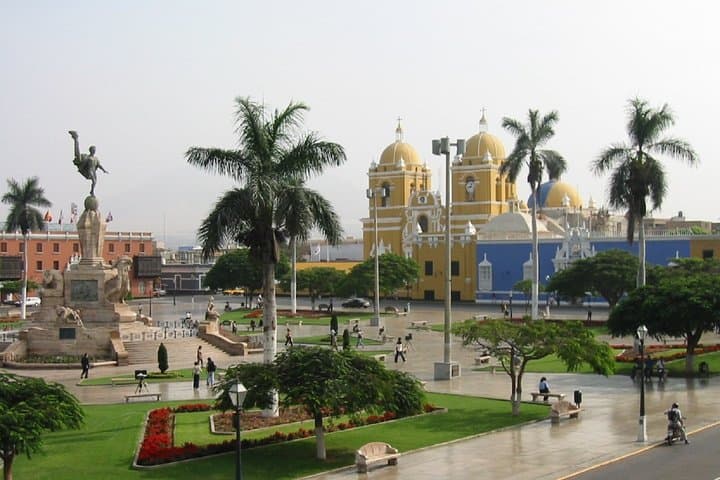
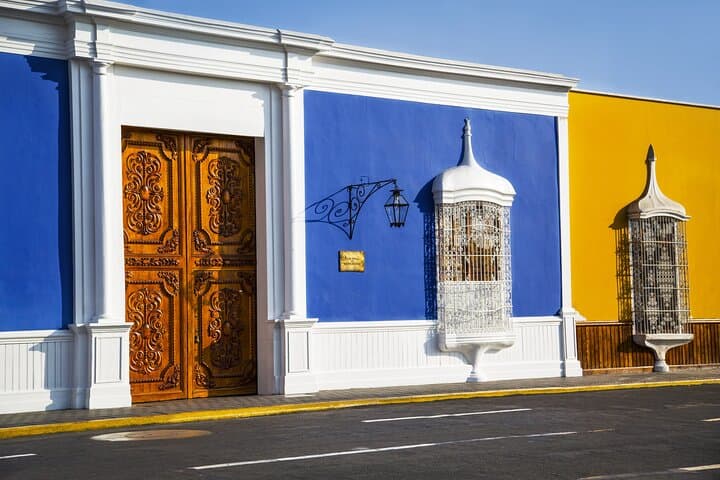
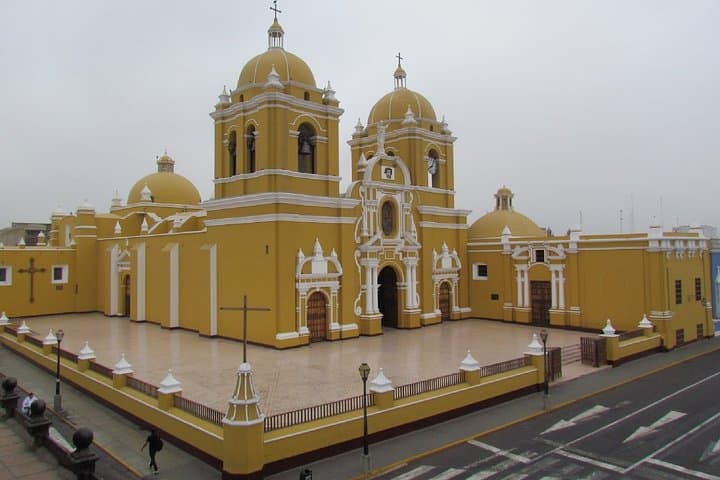
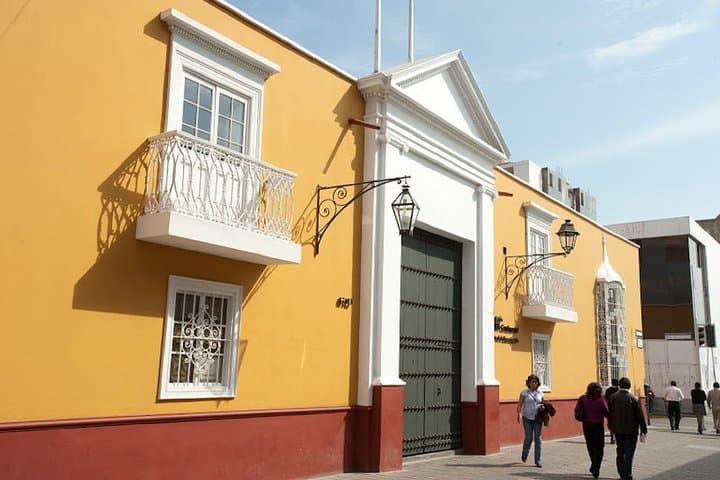
Morning light slides across carved wooden balconies as your transfer pulls into Trujillo’s Plaza de Armas. The cathedral’s white façade and the chatter of vendors set the rhythm for a three-hour walk that stitches colonial mansions to pre‑Hispanic memory. You move from cobbled squares past churches—La Merced, San Francisco, Santa Clara—each doorframe a chapter in the city’s layered story.
Morning light slides across carved wooden balconies as your transfer pulls into Trujillo’s Plaza de Armas. The cathedral’s white façade and the chatter of vendors set the rhythm for a three-hour walk that stitches colonial mansions to pre‑Hispanic memory. You move from cobbled squares past churches—La Merced, San Francisco, Santa Clara—each doorframe a chapter in the city’s layered story.
Trujillo sits on the north coast of Peru in La Libertad, where the Chimú and Moche cultures once raised adobe pyramids before the Spanish rebuilt the urban core in the 17th and 18th centuries. Geology here is coastal plain backed by arid valleys; the nearby Moche River carved the fertile lanes that supported those ancient societies. Cultural notes are visible in rococo altarpieces and Quito‑school paintings inside the cathedral, while Casa Calonge and the Archbishop’s Palace recall republican-era politics and Bolívar’s passage.
The tour ends at the National University Museum of Archaeology and History, where ceramics, textiles and metalwork map regional development. On weekends the museum and some mansions close, so the route becomes a panoramic drive—check timing before you go.
Practical guidance: wear sturdy walking shoes for uneven sidewalks, carry sun protection and at least 1 liter of water, and bring a light layer for coastal breezes. The tour includes hotel pickup from central Trujillo and a professional guide; plan for roughly three hours and allow extra time if you want to linger in plazas or shop local markets.