THE ADVENTURE COLLECTIVE® · Independent discovery and booking for outdoor travel

Join a small-group forage through Molise woodlands led by trained truffle dogs, then taste fresh finds paired with regional wines. This 3–4 hour tour blends hands-on foraging, a visit to a truffle processing area, and a focused tasting.
Join a small-group forage through Molise woodlands led by trained truffle dogs, then taste fresh finds paired with regional wines. This 3–4 hour tour blends hands-on foraging, a visit to a truffle processing area, and a focused tasting.
Mist threads through oak and beech as you step into Molise's chestnut woods, the soil cool beneath your soles and a keen dog nose urging you forward.
Verified experiences and guided adventures in the surrounding area.
Operated by Di Iorio tartufi by Trufflexperience · Isernia, Molise
Mist threads through oak and beech as you step into Molise's chestnut woods, the soil cool beneath your soles and a keen dog nose urging you forward.
The landscape here is young Apennine fold—limestone ribs, pockets of humus and beech shade that create the right chemistry for truffles to form in close partnership with tree roots. Truffle culture in Molise is practical and ancient: families, dogs and small-scale processors have passed techniques down through generations rather than turning the hills into spectacle.
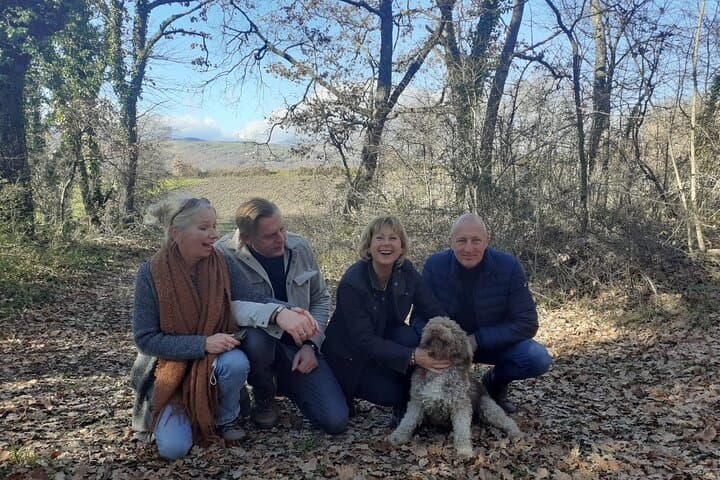
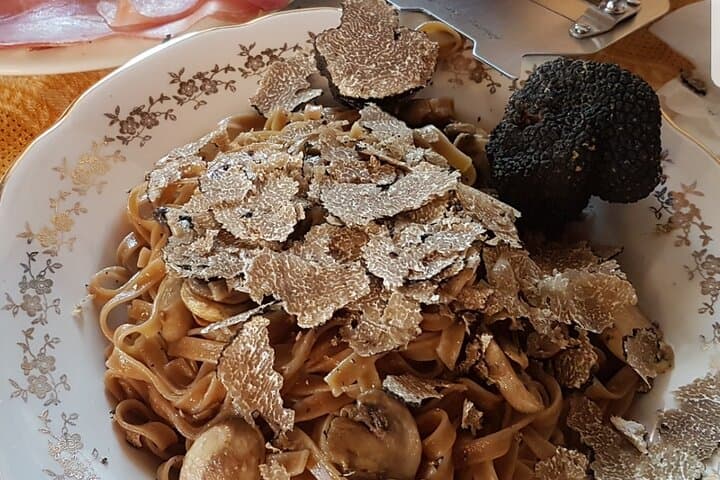
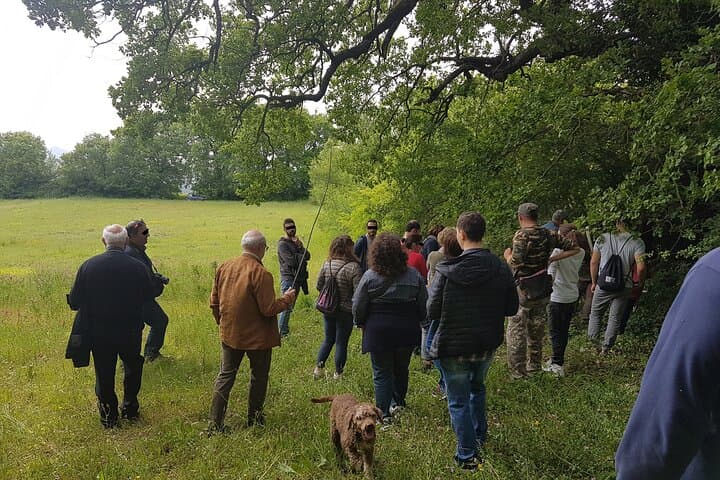
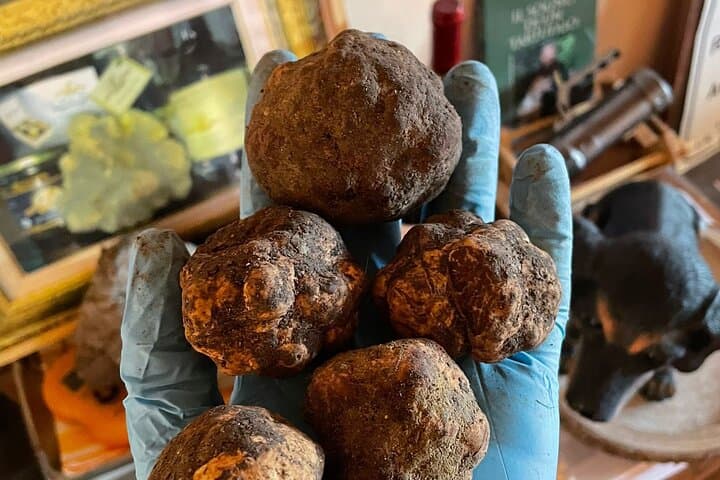
On this guided outing a handler and trained dog lead a small group across uneven forest trails. The search is deliberate—quiet signals, a sudden scratch, the handler’s careful claim. After the forage you visit a local processing area where freshly recovered truffles are shaved over simple plates and paired with regional wines; the tasting translates the forest into immediate flavor.
Expect 3–4 hours of light walking on soft, sometimes muddy ground and intermittent climbs of a few dozen vertical meters. The operator typically supplies bottled water, coffee and lunch; note the tour asks guests to avoid strong perfumes and follow the handler’s instructions around dogs. It’s not recommended for pregnant travelers or people with serious spinal or heart conditions. Book autumn–winter dates for peak truffle activity, wear waterproof boots and layered clothing for shifting mountain microclimates, and arrive ready to learn a working craft as much as to taste its rewards.
easy.
3–4 hours.
Light to moderate—able to walk 3–6 km on uneven, sometimes muddy forest floor and stand during a tasting session.
No—truffle growth is natural and variable. Guides target promising areas and trained dogs increase chances, and tastings typically feature any fresh finds alongside preserved samples.
Yes, but handlers control interactions—guests are asked to follow instructions and avoid distracting dogs while they are working.
The walk is rated easy, but children and older adults should be comfortable on uneven ground; the operator lists restrictions for pregnant travelers and those with serious spinal or heart conditions.
The tour includes coffee, bottled water, a lab visit and a full tasting with wines; cancel at least 24 hours before departure for a full refund per the operator's policy.
Truffle collecting in Molise traces back centuries as a rural livelihood; small-scale foragers and local kitchens have long paired truffles with simple mountain dishes.
Responsible foraging practices are emphasized—do not dig indiscriminately, follow handlers' techniques to protect root systems, and support local operators who follow regional regulations.
Di Iorio tartufi by Trufflexperience operates guided outdoor trips and adventures with an emphasis on safety, stewardship, and memorable experiences.
Mist threads through oak and beech as you step into Molise's chestnut woods, the soil cool beneath your soles and a keen dog nose urging you forward.
Mist threads through oak and beech as you step into Molise's chestnut woods, the soil cool beneath your soles and a keen dog nose urging you forward.
The landscape here is young Apennine fold—limestone ribs, pockets of humus and beech shade that create the right chemistry for truffles to form in close partnership with tree roots. Truffle culture in Molise is practical and ancient: families, dogs and small-scale processors have passed techniques down through generations rather than turning the hills into spectacle.
On this guided outing a handler and trained dog lead a small group across uneven forest trails. The search is deliberate—quiet signals, a sudden scratch, the handler’s careful claim. After the forage you visit a local processing area where freshly recovered truffles are shaved over simple plates and paired with regional wines; the tasting translates the forest into immediate flavor.
Expect 3–4 hours of light walking on soft, sometimes muddy ground and intermittent climbs of a few dozen vertical meters. The operator typically supplies bottled water, coffee and lunch; note the tour asks guests to avoid strong perfumes and follow the handler’s instructions around dogs. It’s not recommended for pregnant travelers or people with serious spinal or heart conditions. Book autumn–winter dates for peak truffle activity, wear waterproof boots and layered clothing for shifting mountain microclimates, and arrive ready to learn a working craft as much as to taste its rewards.