THE ADVENTURE COLLECTIVE® · Independent discovery and booking for outdoor travel

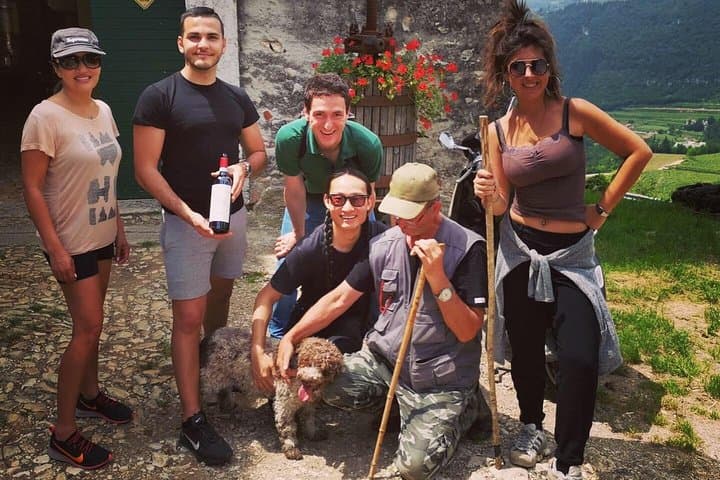
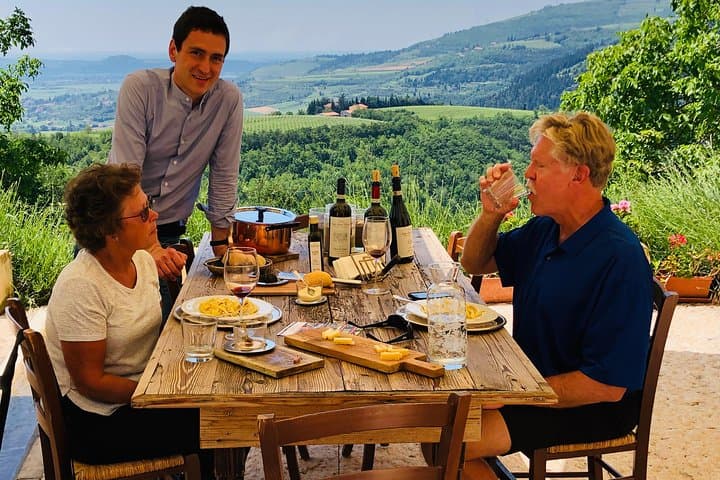
Join a Tartufaro and trained dog into Valpolicella woods to hunt scorzone truffles, then taste fresh truffle paired with Amarone on a winery terrace. This short, guided walk combines hands-on foraging with regional wine culture and cellar insight.
Join a Tartufaro and trained dog into Valpolicella woods to hunt scorzone truffles, then taste fresh truffle paired with Amarone on a winery terrace. This short, guided walk combines hands-on foraging with regional wine culture and cellar insight.
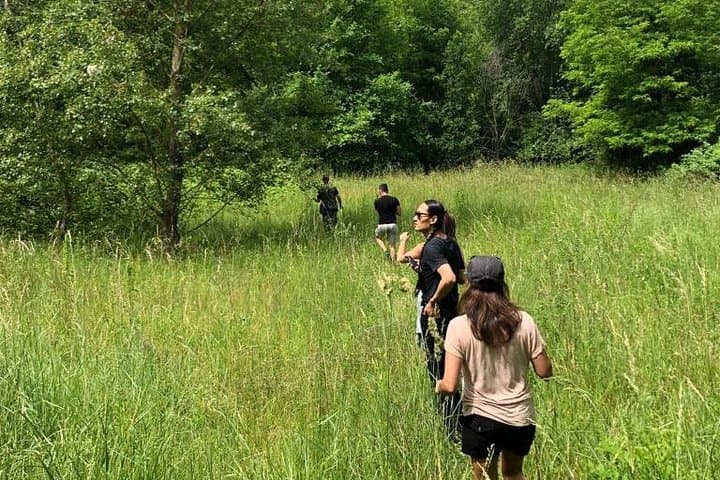
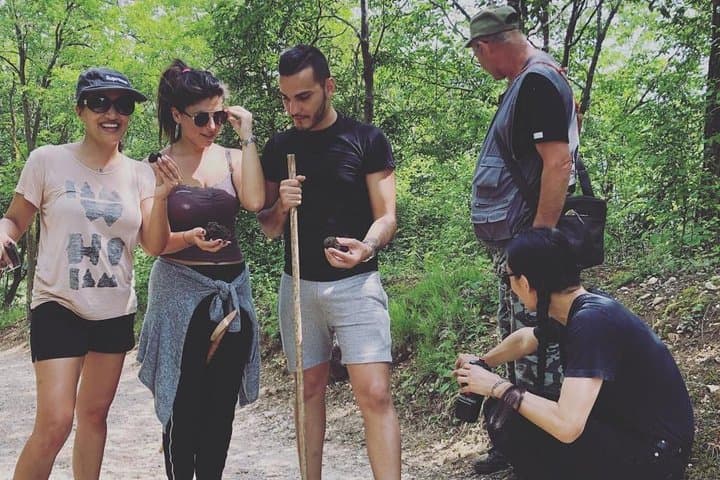
You step from the winery’s cool stone shadow into a mottled light where the forest floor smells of damp earth and pine. The Tartufaro walks ahead with the dog—intent, low to the ground—and the woods begin to speak in small, mushroomy notes. The hunt is tactile: fingers brush leaf litter, the dog signals, and the flash of dark, knobbly scorzone appears like an earned secret.
Verified experiences and guided adventures in the surrounding area.
Operated by TENUTA SANTA MARIA VALVERDE · Verona, Veneto
You step from the winery’s cool stone shadow into a mottled light where the forest floor smells of damp earth and pine. The Tartufaro walks ahead with the dog—intent, low to the ground—and the woods begin to speak in small, mushroomy notes. The hunt is tactile: fingers brush leaf litter, the dog signals, and the flash of dark, knobbly scorzone appears like an earned secret.
Valpolicella’s hills are limestone and clay folded over millennia, soils that coax both bold Amarone and the fungi that grow beneath oak and hazel roots. Wine culture here is centuries-old: terraces once hewn by hand still slope toward the plains, and local families balance viticulture with small-scale truffle gathering. The pairing of a tannic Amarone with fresh truffle highlights how land and cellar mirror each other—acid, salt, and aromatic oils conversing across a terrace overlooking the valley.
Practically, the experience is a short, active field walk—expect uneven ground, low brush, and close scent-driven work with a trained dog. Guides explain truffle ecology and sustainable collecting practices; when seasonally available, you taste fresh truffle shaved over pasta alongside local cheeses, salami, chutneys, and Amarone. If truffle season ends, the program often switches to vineyard and cellar visits.
Plan sun protection and sturdy footwear, and arrive with an appetite. The best visits run spring through autumn but check dates: truffle availability is seasonal and weather-dependent. This outing blends sensory discovery with clear, hands-on learning—an accessible, rooted way to read the land of Valpolicella.
moderate.
2–2.5 hours.
Moderate fitness—able to walk on uneven ground for up to 90 minutes and stand during tastings
This experience focuses on scorzone (black summer) truffles—typically available in late spring through early autumn; schedules change seasonally and may be replaced by vineyard/cellar visits outside truffle season.
Yes—children who can walk on uneven trails are welcome, but the tour requires focus around the dog and fragile finds, so supervision is needed.
Yes—the visit includes tasting fresh truffle dishes paired with local wines, cheeses, salami, chutneys, and olive oil at the winery.
No—only the trained truffle-hunting dog works on the walk to avoid interference and protect wildlife.
Valpolicella’s viticulture dates back to Roman times; terraced vineyards and family-run cellars reflect centuries of local wine-making traditions.
Guides follow sustainable foraging: only legal quantities are collected, soil is minimally disturbed, and protected species are avoided to preserve fungal and forest health.
TENUTA SANTA MARIA VALVERDE operates guided outdoor trips and adventures with an emphasis on safety, stewardship, and memorable experiences.
You step from the winery’s cool stone shadow into a mottled light where the forest floor smells of damp earth and pine. The Tartufaro walks ahead with the dog—intent, low to the ground—and the woods begin to speak in small, mushroomy notes. The hunt is tactile: fingers brush leaf litter, the dog signals, and the flash of dark, knobbly scorzone appears like an earned secret.
You step from the winery’s cool stone shadow into a mottled light where the forest floor smells of damp earth and pine. The Tartufaro walks ahead with the dog—intent, low to the ground—and the woods begin to speak in small, mushroomy notes. The hunt is tactile: fingers brush leaf litter, the dog signals, and the flash of dark, knobbly scorzone appears like an earned secret.
Valpolicella’s hills are limestone and clay folded over millennia, soils that coax both bold Amarone and the fungi that grow beneath oak and hazel roots. Wine culture here is centuries-old: terraces once hewn by hand still slope toward the plains, and local families balance viticulture with small-scale truffle gathering. The pairing of a tannic Amarone with fresh truffle highlights how land and cellar mirror each other—acid, salt, and aromatic oils conversing across a terrace overlooking the valley.
Practically, the experience is a short, active field walk—expect uneven ground, low brush, and close scent-driven work with a trained dog. Guides explain truffle ecology and sustainable collecting practices; when seasonally available, you taste fresh truffle shaved over pasta alongside local cheeses, salami, chutneys, and Amarone. If truffle season ends, the program often switches to vineyard and cellar visits.
Plan sun protection and sturdy footwear, and arrive with an appetite. The best visits run spring through autumn but check dates: truffle availability is seasonal and weather-dependent. This outing blends sensory discovery with clear, hands-on learning—an accessible, rooted way to read the land of Valpolicella.