THE ADVENTURE COLLECTIVE® · Independent discovery and booking for outdoor travel

Join a private, 75-minute truffle hunt at Tenuta Ronzano near Costigliole d'Asti. Learn truffle ecology, follow trained dogs into mixed oak and hazel woods, and finish with a local trifulau snack.
Join a private, 75-minute truffle hunt at Tenuta Ronzano near Costigliole d'Asti. Learn truffle ecology, follow trained dogs into mixed oak and hazel woods, and finish with a local trifulau snack.
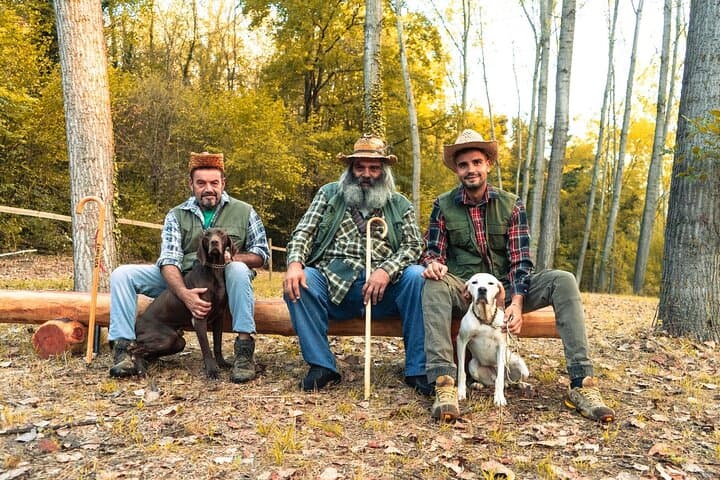
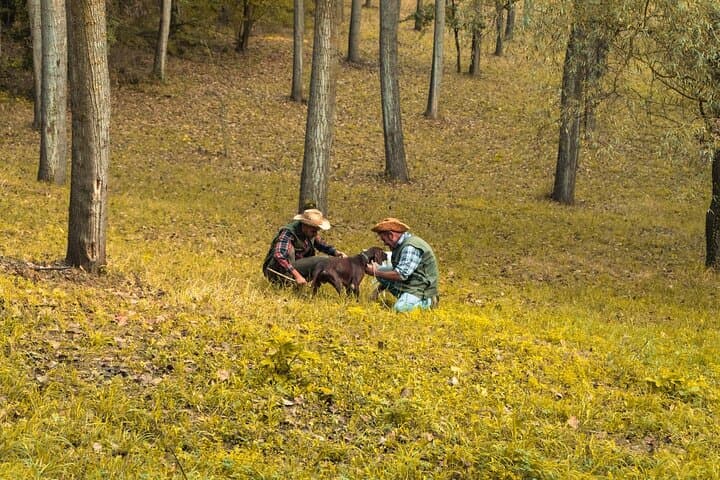
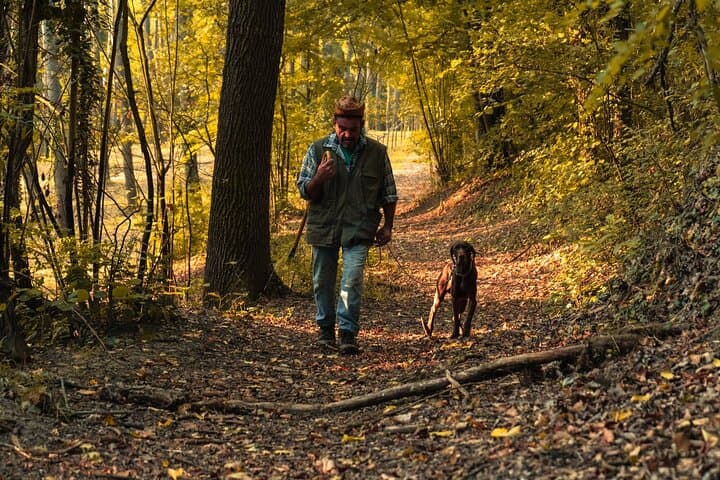
Morning in the Langhe feels like the forest waking with a nose for secrets: dew on oak leaves, the damp, loamy scent that hints at what lies below. At Tenuta Ronzano in Costigliole d'Asti you stand at the edge of coppiced woods as trained dogs lift their heads, searching the soil for Italy’s most coveted subterranean fungus—the White Truffle of Alba.
Verified experiences and guided adventures in the surrounding area.
Operated by Truffle Trail · Costigliole d'Asti, Piedmont
Morning in the Langhe feels like the forest waking with a nose for secrets: dew on oak leaves, the damp, loamy scent that hints at what lies below. At Tenuta Ronzano in Costigliole d'Asti you stand at the edge of coppiced woods as trained dogs lift their heads, searching the soil for Italy’s most coveted subterranean fungus—the White Truffle of Alba.
The Ronzano family has worked these hills since 1963, and the property’s mix of calcareous clay and well-drained soils—often under hazel and downy oak—creates the microhabitat truffles prefer. Truffle culture here ties directly to regional foodways: Alba’s truffle market and local chefs have made the tuber central to Piedmontese identity and seasonal gastronomy.
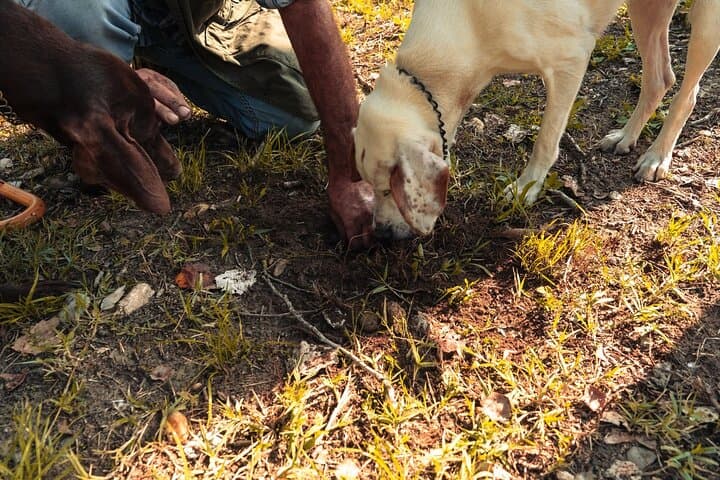
The experience is part natural history, part hands-on fieldwork. Guides explain truffle ecology, the parasitic relationships with tree roots, and how weather patterns influence growth. Then the trained DA dogs lead a focused search, pointing to promising spots and allowing the slow, careful excavation that preserves the mycelium.
Practical notes: tours are private, about 75 minutes, and conducted in Italian and English. The walk is easy but can be muddy and uneven; expect low-impact digging rather than heavy manual labor. A small trifulau snack follows the hunt.
Respect the woodland—stay on agreed paths, follow the guide’s instructions when digging, and avoid overharvesting. This is a short, sensory adventure that combines a tactile connection to the land with a clear lesson in local ecology and culinary tradition.
easy.
1–1.5 hours.
Suitable for most fitness levels; involves short, gentle walking on uneven forest floor.
The activity lasts about 75 minutes and is run as a private experience at the estate in Costigliole d'Asti.
Guides and dogs indicate the spot; participants may assist with careful, shallow excavation under guidance to protect the mycelium.
The walk is easy but uneven; it’s generally family-friendly though not recommended for guests with serious spinal or cardiovascular conditions.
The experience is available in Italian and English with an instructor fluent in both.
The Ronzano family has been cultivating truffle expertise since 1963; Alba’s truffle traditions date back centuries and anchor Piedmontese culinary culture.
Practices emphasize selective harvesting and working with trained dogs to minimize soil disturbance; visitors are asked to follow guide instructions to protect habitat.
Truffle Trail operates guided outdoor trips and adventures with an emphasis on safety, stewardship, and memorable experiences.
Morning in the Langhe feels like the forest waking with a nose for secrets: dew on oak leaves, the damp, loamy scent that hints at what lies below. At Tenuta Ronzano in Costigliole d'Asti you stand at the edge of coppiced woods as trained dogs lift their heads, searching the soil for Italy’s most coveted subterranean fungus—the White Truffle of Alba.
Morning in the Langhe feels like the forest waking with a nose for secrets: dew on oak leaves, the damp, loamy scent that hints at what lies below. At Tenuta Ronzano in Costigliole d'Asti you stand at the edge of coppiced woods as trained dogs lift their heads, searching the soil for Italy’s most coveted subterranean fungus—the White Truffle of Alba.
The Ronzano family has worked these hills since 1963, and the property’s mix of calcareous clay and well-drained soils—often under hazel and downy oak—creates the microhabitat truffles prefer. Truffle culture here ties directly to regional foodways: Alba’s truffle market and local chefs have made the tuber central to Piedmontese identity and seasonal gastronomy.
The experience is part natural history, part hands-on fieldwork. Guides explain truffle ecology, the parasitic relationships with tree roots, and how weather patterns influence growth. Then the trained DA dogs lead a focused search, pointing to promising spots and allowing the slow, careful excavation that preserves the mycelium.
Practical notes: tours are private, about 75 minutes, and conducted in Italian and English. The walk is easy but can be muddy and uneven; expect low-impact digging rather than heavy manual labor. A small trifulau snack follows the hunt.
Respect the woodland—stay on agreed paths, follow the guide’s instructions when digging, and avoid overharvesting. This is a short, sensory adventure that combines a tactile connection to the land with a clear lesson in local ecology and culinary tradition.