THE ADVENTURE COLLECTIVE® · Independent discovery and booking for outdoor travel

Join a guided truffle hunt in Oberon where trained dogs locate black truffles under cool, loamy soil. The three-hour experience combines a field hunt with hands-on digging, truffle grading insights and a savory tasting in the lodge.
Join a guided truffle hunt in Oberon where trained dogs locate black truffles under cool, loamy soil. The three-hour experience combines a field hunt with hands-on digging, truffle grading insights and a savory tasting in the lodge.
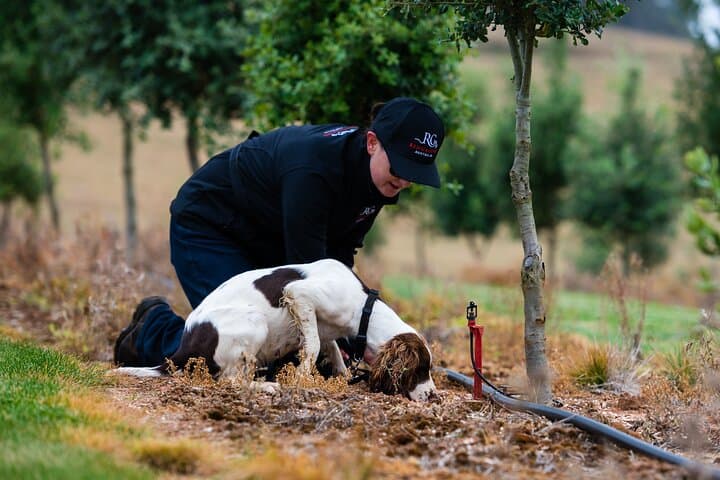
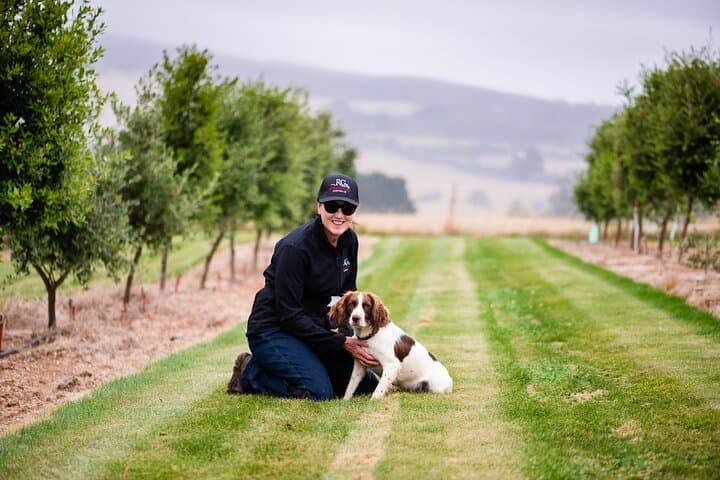
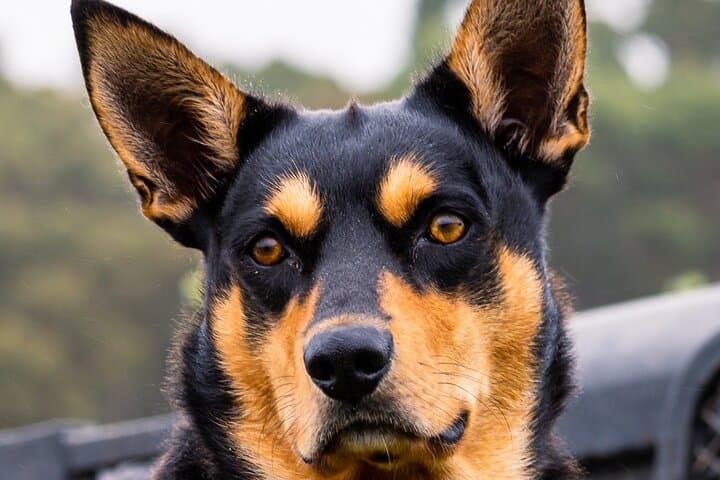
Dawn light filters through the trees as the farm dogs fan out, noses working the cool loam—this is the first image most visitors remember from a truffle hunt in Oberon. Guests gather at a low-slung lodge for a short talk, then pass through a biosecurity footbath and step into the truffiere where the rhythm of the land sets the pace: the dogs lead, the soil hides, and the hunter follows.
Verified experiences and guided adventures in the surrounding area.
Operated by RedGround Truffles Australia · Oberon, New South Wales
Dawn light filters through the trees as the farm dogs fan out, noses working the cool loam—this is the first image most visitors remember from a truffle hunt in Oberon. Guests gather at a low-slung lodge for a short talk, then pass through a biosecurity footbath and step into the truffiere where the rhythm of the land sets the pace: the dogs lead, the soil hides, and the hunter follows.
The Central Tablelands region became one of Australia’s premier truffle-growing areas in the late 20th century when European varieties were trialed in cooler, well-drained soils. Geologically, the region’s granitic soils and temperate climate create the fungal-friendly conditions black truffles favor. Culturally, truffle days in Oberon blend agricultural practice with culinary craft—chefs prize the short harvest window and local producers emphasize stewardship of the soil and trees.
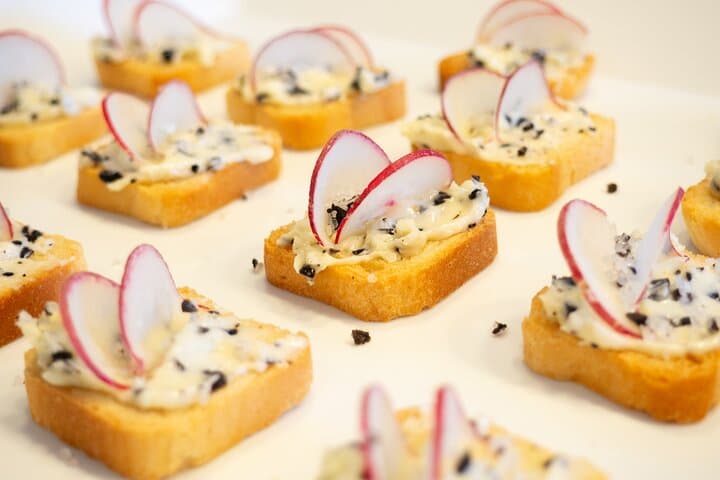
On the tour expect a guided walk through planted rows, a hands-on demonstration of how dogs indicate finds, and the chance to try digging a specimen yourself. Back in the lodge you’ll taste savory and sweet truffled dishes that highlight fat-rich pairings like butter, cream and egg yolks, and learn grading criteria used by growers.
Practical notes: wear sturdy, closed-toe shoes and a warm layer—mornings are cold. The terrain is uneven and can be muddy after rain; mobility is required but the walk is short. Bring a camera, and if you want truffles to take home, bring a cooler or check farm sale packaging. Tours run about three hours and are best booked in truffle season (winter).
easy.
3 hours.
Light walking on uneven ground; suitable for most people who can manage short outdoor walks.
Most farms welcome children but the activity involves dogs and short digging on uneven ground—check age recommendations with the operator and supervise children closely.
Yes, fresh truffles are often available for purchase on the day; bring a cooler or ask about farm packaging for transport.
Tours typically run in light rain but may be adjusted for heavy weather—confirm cancellation or rescheduling policies when you book.
Tastings include dairy, eggs, nuts and gluten; operators can sometimes modify offerings but you should advise them of allergies at booking.
Truffle cultivation in the Oberon region expanded from trials in the late 20th century into a small but notable industry, driven by cool climate trials and specialized orcharding techniques.
Farms emphasize biosecurity, soil health and sustainable harvesting practices to protect fungal beds and host trees; visitors are asked to follow footbath and hygiene procedures.
RedGround Truffles Australia operates guided outdoor trips and adventures with an emphasis on safety, stewardship, and memorable experiences.
Dawn light filters through the trees as the farm dogs fan out, noses working the cool loam—this is the first image most visitors remember from a truffle hunt in Oberon. Guests gather at a low-slung lodge for a short talk, then pass through a biosecurity footbath and step into the truffiere where the rhythm of the land sets the pace: the dogs lead, the soil hides, and the hunter follows.
Dawn light filters through the trees as the farm dogs fan out, noses working the cool loam—this is the first image most visitors remember from a truffle hunt in Oberon. Guests gather at a low-slung lodge for a short talk, then pass through a biosecurity footbath and step into the truffiere where the rhythm of the land sets the pace: the dogs lead, the soil hides, and the hunter follows.
The Central Tablelands region became one of Australia’s premier truffle-growing areas in the late 20th century when European varieties were trialed in cooler, well-drained soils. Geologically, the region’s granitic soils and temperate climate create the fungal-friendly conditions black truffles favor. Culturally, truffle days in Oberon blend agricultural practice with culinary craft—chefs prize the short harvest window and local producers emphasize stewardship of the soil and trees.
On the tour expect a guided walk through planted rows, a hands-on demonstration of how dogs indicate finds, and the chance to try digging a specimen yourself. Back in the lodge you’ll taste savory and sweet truffled dishes that highlight fat-rich pairings like butter, cream and egg yolks, and learn grading criteria used by growers.
Practical notes: wear sturdy, closed-toe shoes and a warm layer—mornings are cold. The terrain is uneven and can be muddy after rain; mobility is required but the walk is short. Bring a camera, and if you want truffles to take home, bring a cooler or check farm sale packaging. Tours run about three hours and are best booked in truffle season (winter).