THE ADVENTURE COLLECTIVE® · Independent discovery and booking for outdoor travel

A hands-on truffle cooking experience on a private Tuscan estate near San Gimignano. Learn truffle cleaning and cooking, prepare a four-course meal, and taste estate wines and olive oils in a small-group setting.
A hands-on truffle cooking experience on a private Tuscan estate near San Gimignano. Learn truffle cleaning and cooking, prepare a four-course meal, and taste estate wines and olive oils in a small-group setting.
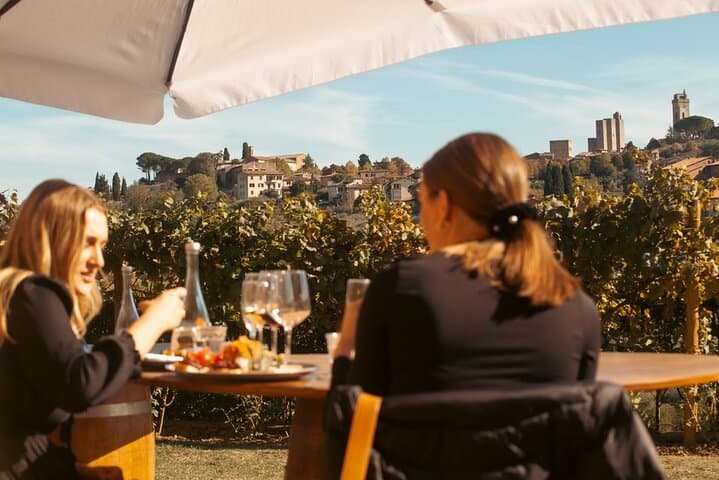
You step through an iron gate and the landscape shifts: rows of olive trees lean into the sun, the vineyard hums with insects, and the soil smells faintly of earth and resin. A family member greets you with a basket and a story; the search for truffles feels less like a class and more like a slow conversation with the land.
Verified experiences and guided adventures in the surrounding area.
Operated by Podere la Marronaia · San Gimignano, Tuscany
You step through an iron gate and the landscape shifts: rows of olive trees lean into the sun, the vineyard hums with insects, and the soil smells faintly of earth and resin. A family member greets you with a basket and a story; the search for truffles feels less like a class and more like a slow conversation with the land.
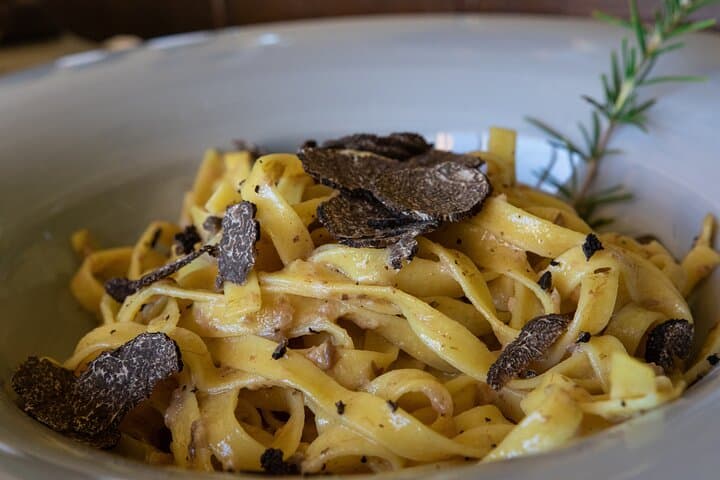
The experience builds on centuries of Tuscan foodways — San Gimignano’s medieval towers watch over hill farms that have cultivated olives, grapes and fungi for generations. Geologically, the area’s limestone soils and mixed deciduous cover create pockets where Tuber magnatum and other truffle species thrive. Culturally, truffle lore is a working knowledge: how to clean, slice and pair aroma with fat — and how modest bowls of pici pasta become something reverent with a shaving of fresh truffle.
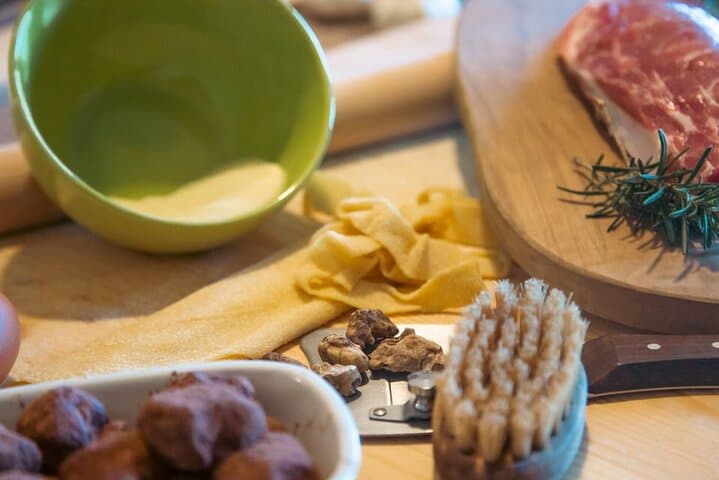
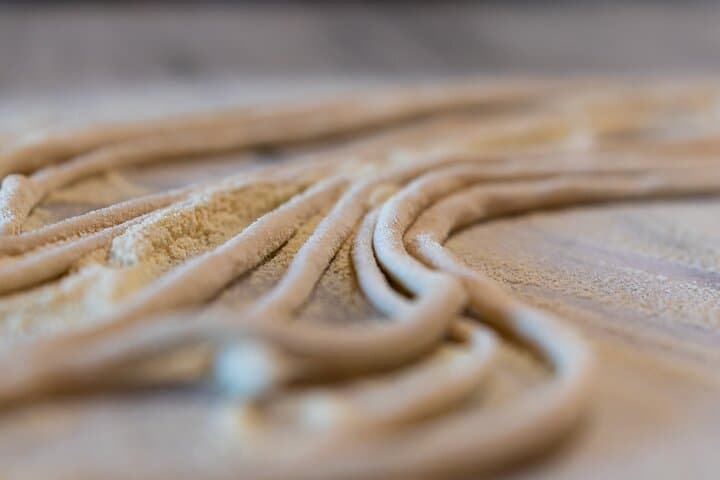
In the kitchen you’ll prepare bruschetta with Lardo di Colonnata, hand-roll pici, sear a filet flavored with truffle and finish with a simple dessert, all guided by a chef and sommelier. The lesson blends practical technique — knife handling, temperature control, pairing — with hands-on tasting of estate olive oils and organic wines.
Practical guidance: arrive with comfortable shoes for uneven grounds, plan for a three-hour session that includes a seated tasting, and note the minimum age and small-group limit (2–6 people). If you want to photograph, low light is common indoors; bring a compact camera or phone with steady hands. Respect the land: truffle hunting and local food systems depend on careful stewardship — leave the soil as you found it and savor what you help to create.
easy.
3 hours.
Suitable for most fitness levels; involves light walking on uneven ground and standing during kitchen work.
No — the class is hands-on and suitable for beginners; instructors guide knife skills, timing and plating.
Truffle availability depends on season and conditions; the program emphasizes learning about truffles and cooking with them, and tasting is included.
Public transport options are nearby, but transfers are not included; confirm pickup details with the operator when booking.
Yes — notify hosts at booking. The menu features meat, dairy and wine; substitutions may be possible for allergies or preferences.
The area around San Gimignano has farmed olives and grapes since Etruscan and Roman times; truffle hunting became part of rural life as families cultivated mixed woodlands and pastures.
Hosts often practice low-impact farming and limited-harvest truffle collection to protect mycelium and biodiversity; visitors should avoid disturbing soil and undergrowth.
Podere la Marronaia operates guided outdoor trips and adventures with an emphasis on safety, stewardship, and memorable experiences.
You step through an iron gate and the landscape shifts: rows of olive trees lean into the sun, the vineyard hums with insects, and the soil smells faintly of earth and resin. A family member greets you with a basket and a story; the search for truffles feels less like a class and more like a slow conversation with the land.
You step through an iron gate and the landscape shifts: rows of olive trees lean into the sun, the vineyard hums with insects, and the soil smells faintly of earth and resin. A family member greets you with a basket and a story; the search for truffles feels less like a class and more like a slow conversation with the land.
The experience builds on centuries of Tuscan foodways — San Gimignano’s medieval towers watch over hill farms that have cultivated olives, grapes and fungi for generations. Geologically, the area’s limestone soils and mixed deciduous cover create pockets where Tuber magnatum and other truffle species thrive. Culturally, truffle lore is a working knowledge: how to clean, slice and pair aroma with fat — and how modest bowls of pici pasta become something reverent with a shaving of fresh truffle.
In the kitchen you’ll prepare bruschetta with Lardo di Colonnata, hand-roll pici, sear a filet flavored with truffle and finish with a simple dessert, all guided by a chef and sommelier. The lesson blends practical technique — knife handling, temperature control, pairing — with hands-on tasting of estate olive oils and organic wines.
Practical guidance: arrive with comfortable shoes for uneven grounds, plan for a three-hour session that includes a seated tasting, and note the minimum age and small-group limit (2–6 people). If you want to photograph, low light is common indoors; bring a compact camera or phone with steady hands. Respect the land: truffle hunting and local food systems depend on careful stewardship — leave the soil as you found it and savor what you help to create.