THE ADVENTURE COLLECTIVE® · Independent discovery and booking for outdoor travel

Walk where New York’s mafia history unfolded with a retired NYPD detective as your guide. The three‑hour tour pairs insider storytelling with a red‑sauce lunch and a full‑size Sicilian cannoli in Little Italy.
Walk where New York’s mafia history unfolded with a retired NYPD detective as your guide. The three‑hour tour pairs insider storytelling with a red‑sauce lunch and a full‑size Sicilian cannoli in Little Italy.
You meet on East 12th Street as the city shifts from morning rush to neighborhood rhythm — delivery trucks humming, storefronts opening, and the smell of tomato sauce drifting from a classic red-sauce joint. The guide, a retired NYPD detective who grew up in these blocks, starts with a private pasta tasting, then leads the group through alleys and storefronts where the city’s underworld once plotted and performed.
Verified experiences and guided adventures in the surrounding area.
Operated by NYPD Police Tours · New York, NY
You meet on East 12th Street as the city shifts from morning rush to neighborhood rhythm — delivery trucks humming, storefronts opening, and the smell of tomato sauce drifting from a classic red-sauce joint. The guide, a retired NYPD detective who grew up in these blocks, starts with a private pasta tasting, then leads the group through alleys and storefronts where the city’s underworld once plotted and performed.
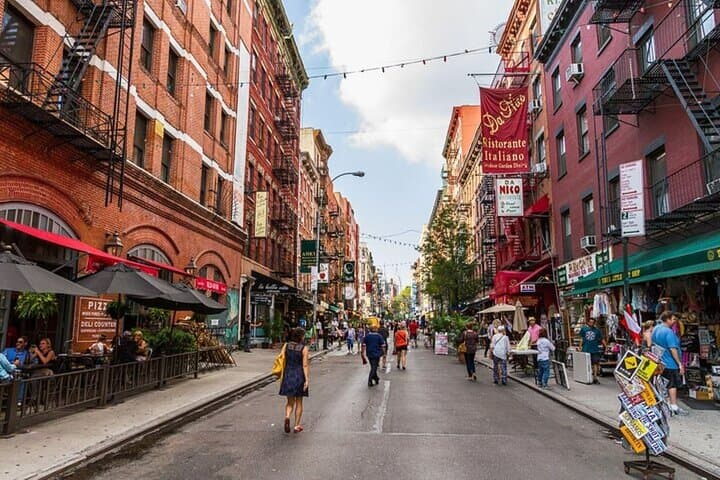
History here is physical: tenements, social clubs, and old speakeasy doorways that point to the 20th‑century arrival of organized crime, the rise of families like Gambino and Genovese, and the violent turf wars that shaped Little Italy and the East Village. Geology is urban — cobblestones, brick facades and narrow streets that funneled footsteps and secrets. Culture is still present-day Italian bakeries, community gardens, and local social clubs with layers of memory packed into stoops and signage.
Expect three hours of mostly flat walking with frequent stops for storytelling and tasting: a red‑sauce lunch in a storied restaurant, stops at former mob hangouts, a quick look at a community garden tied to neighborhood history, and a full‑size Sicilian cannoli to finish. Practical notes: bring comfortable shoes, a refillable water bottle, and a transit card; public transit is the easiest way to arrive. The guide’s perspective is insider and eyewitness, mixing police knowledge with neighborhood lore. The route is wheelchair accessible and operates in all weather, but not recommended for people with serious walking limitations. Leave phones ready for photos and questions — the best parts are what the guide remembers, not what you can find in a guidebook.
moderate.
3 hours.
Moderate—able to stand and walk for extended periods with short breaks
The tour lasts about three hours and covers roughly 1.5–2 miles of mostly flat, urban walking with frequent stops.
Yes—there's a private pasta tasting and a full‑size cannoli; guides can typically accommodate vegetarian diets with advance notice.
The operator lists the route and surfaces as wheelchair accessible, but notify the provider in advance so they can assist with logistics.
Expect a mix of historical Mafia history and firsthand accounts from the guide’s career; contemporary crimes aren’t the focus but local anecdotes may be shared.
Little Italy and the East Village were central to early 20th‑century immigrant communities; organized crime exploited dense tenement networks and social clubs to grow influential families.
Support small, family‑run businesses on the route and respect residential areas; urban tours should minimize noise and avoid obstructing sidewalks to reduce impact.
NYPD Police Tours operates guided outdoor trips and adventures with an emphasis on safety, stewardship, and memorable experiences.
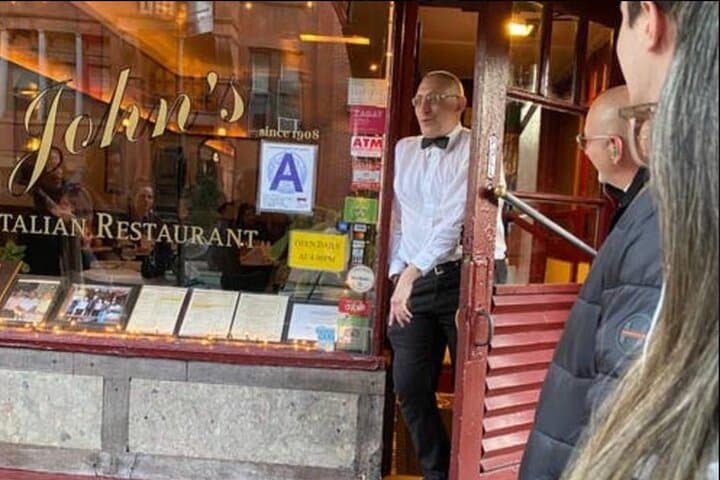
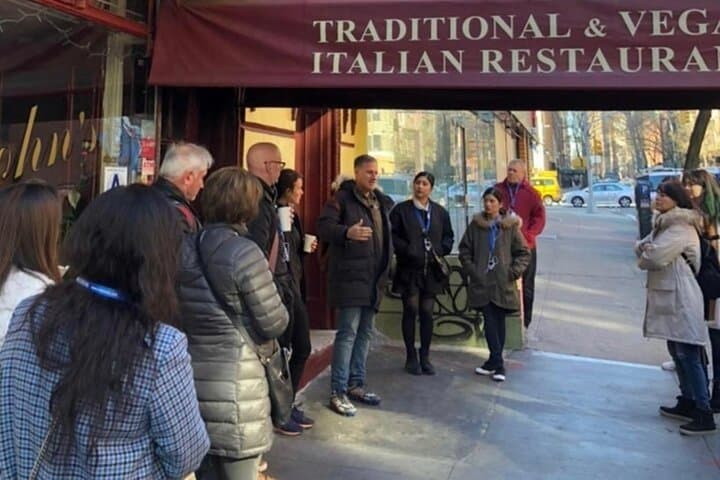
You meet on East 12th Street as the city shifts from morning rush to neighborhood rhythm — delivery trucks humming, storefronts opening, and the smell of tomato sauce drifting from a classic red-sauce joint. The guide, a retired NYPD detective who grew up in these blocks, starts with a private pasta tasting, then leads the group through alleys and storefronts where the city’s underworld once plotted and performed.
You meet on East 12th Street as the city shifts from morning rush to neighborhood rhythm — delivery trucks humming, storefronts opening, and the smell of tomato sauce drifting from a classic red-sauce joint. The guide, a retired NYPD detective who grew up in these blocks, starts with a private pasta tasting, then leads the group through alleys and storefronts where the city’s underworld once plotted and performed.
History here is physical: tenements, social clubs, and old speakeasy doorways that point to the 20th‑century arrival of organized crime, the rise of families like Gambino and Genovese, and the violent turf wars that shaped Little Italy and the East Village. Geology is urban — cobblestones, brick facades and narrow streets that funneled footsteps and secrets. Culture is still present-day Italian bakeries, community gardens, and local social clubs with layers of memory packed into stoops and signage.
Expect three hours of mostly flat walking with frequent stops for storytelling and tasting: a red‑sauce lunch in a storied restaurant, stops at former mob hangouts, a quick look at a community garden tied to neighborhood history, and a full‑size Sicilian cannoli to finish. Practical notes: bring comfortable shoes, a refillable water bottle, and a transit card; public transit is the easiest way to arrive. The guide’s perspective is insider and eyewitness, mixing police knowledge with neighborhood lore. The route is wheelchair accessible and operates in all weather, but not recommended for people with serious walking limitations. Leave phones ready for photos and questions — the best parts are what the guide remembers, not what you can find in a guidebook.