THE ADVENTURE COLLECTIVE® · Independent discovery and booking for outdoor travel

Spend a long but rewarding day moving from the layered ruins of Troy to the solemn ridges of Gallipoli. This guided trip combines archaeology, wartime history and coastal scenery in a 15–17 hour itinerary from Istanbul.
Spend a long but rewarding day moving from the layered ruins of Troy to the solemn ridges of Gallipoli. This guided trip combines archaeology, wartime history and coastal scenery in a 15–17 hour itinerary from Istanbul.
You step off the ferry onto a narrow spit of land where sea and history press close: gulls quarter the sky above the Dardanelles, and the low, terraced mound of Hisarlik rises like a layered memory. The day alternates between the dust-flecked stones of Troy and the wind-scoured ridges of Gallipoli — each place asking for different kinds of attention.
Verified experiences and guided adventures in the surrounding area.
Operated by Hassle Free Travel · Çanakkale, Çanakkale Province
You step off the ferry onto a narrow spit of land where sea and history press close: gulls quarter the sky above the Dardanelles, and the low, terraced mound of Hisarlik rises like a layered memory. The day alternates between the dust-flecked stones of Troy and the wind-scoured ridges of Gallipoli — each place asking for different kinds of attention.
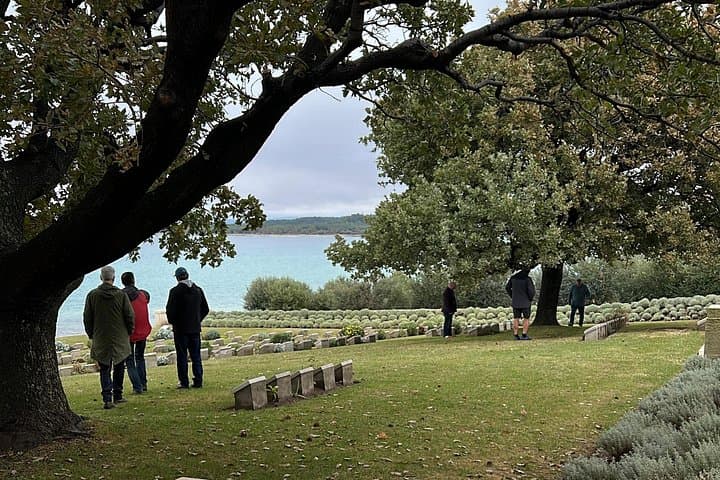
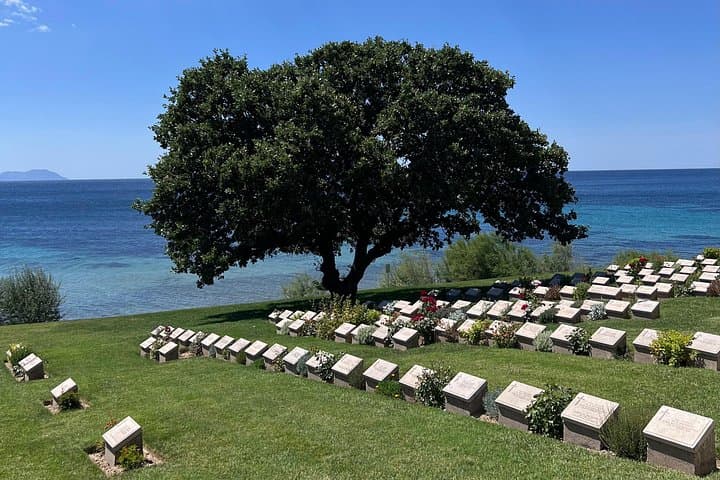
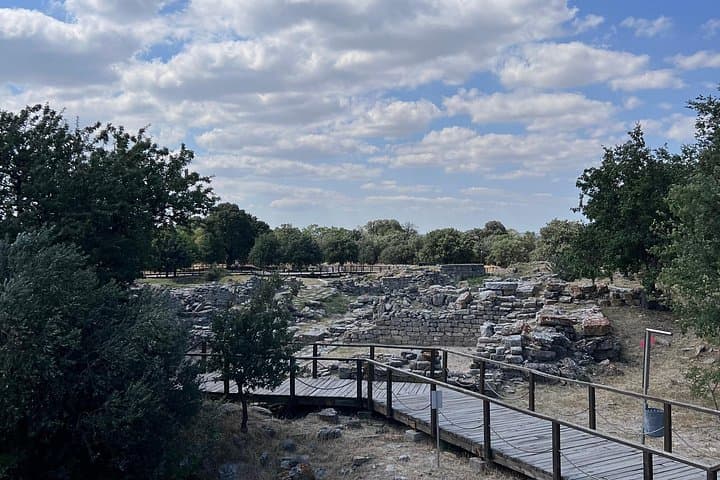
Troy’s strata record settlements from 3000 BCE to the Roman era; earthen walls, the Bouleuterion and the excavated houses reveal 4,000 years of human ambition and collapse. Geologically the region is an alluvial plain fed by small rivers cutting through limestone and Pliocene clays, which helped preserve successive city layers. Gallipoli’s landscape is younger in human memory but sharper in emotional weight: WWI trenches, memorials and cemeteries scatter ridgelines where geology — limestone ridges and pebble beaches — shaped battle lines and landing sites.
Culture here is practical and solemn: small towns around the Dardanelles blend fishing, ferry life and pilgrimage tourism. Local restaurants, especially in Eceabat, serve freshly caught fish and regional meze — a useful pause after long drives.
Practical guidance: this is a long, full-day tour (about 15–17 hours). Expect walking on uneven ground, short climbs, and exposed coastal wind. Bring sun protection, plenty of water, a good pair of walking shoes and a compact rain layer. Plan your camera batteries and respect memorial etiquette: photography is common, but memorial spaces require quiet. Timing the trip early in the season or starting at dawn gives softer light at Troy and calmer winds on the peninsula.
moderate.
15–17 hours.
Suitable for travelers in decent shape who can tolerate a long day of walking and sitting in a vehicle; expect multiple short walks of 1–3 km at sites.
The tour lasts approximately 15–17 hours; exact pickup and drop-off times vary—confirm with the operator, but expect a late return to Istanbul.
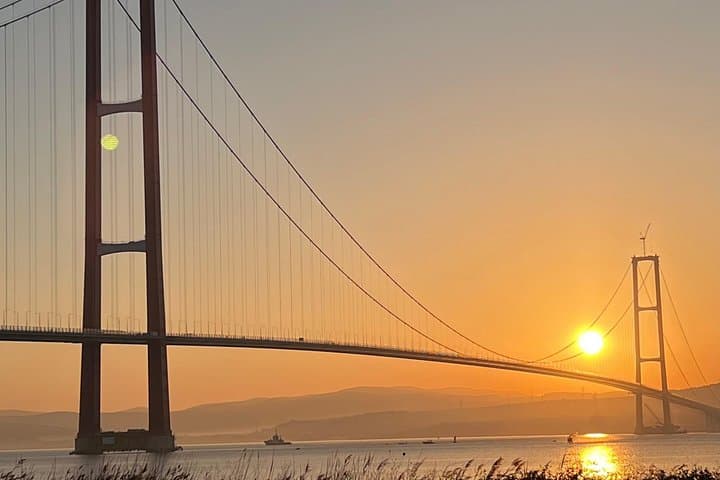
The itinerary indicates that entrance fees and lunch at Maydos Restaurant in Eceabat are included; the 1915 Çanakkale Bridge fee and ferry tickets are also covered as listed.
The provider lists the tour as suitable for all fitness levels, but sites include uneven terrain and steps; infants can travel but must sit on laps—check specific accessibility needs in advance.
Stroller access is noted as possible for infants; however, many archaeological areas and battlefield sites have rough surfaces and steps, which limit wheelchair access.
Troy records settlements from the Early Bronze Age onward and inspired Homeric legend; Gallipoli was a defining campaign of World War I for ANZAC and Ottoman forces in 1915.
Both sites balance public access with preservation: stick to marked paths at Troy to protect fragile trenches, and treat Gallipoli’s cemeteries as protected heritage—avoid disturbing vegetation or artifacts.
Hassle Free Travel operates guided outdoor trips and adventures with an emphasis on safety, stewardship, and memorable experiences.
You step off the ferry onto a narrow spit of land where sea and history press close: gulls quarter the sky above the Dardanelles, and the low, terraced mound of Hisarlik rises like a layered memory. The day alternates between the dust-flecked stones of Troy and the wind-scoured ridges of Gallipoli — each place asking for different kinds of attention.
You step off the ferry onto a narrow spit of land where sea and history press close: gulls quarter the sky above the Dardanelles, and the low, terraced mound of Hisarlik rises like a layered memory. The day alternates between the dust-flecked stones of Troy and the wind-scoured ridges of Gallipoli — each place asking for different kinds of attention.
Troy’s strata record settlements from 3000 BCE to the Roman era; earthen walls, the Bouleuterion and the excavated houses reveal 4,000 years of human ambition and collapse. Geologically the region is an alluvial plain fed by small rivers cutting through limestone and Pliocene clays, which helped preserve successive city layers. Gallipoli’s landscape is younger in human memory but sharper in emotional weight: WWI trenches, memorials and cemeteries scatter ridgelines where geology — limestone ridges and pebble beaches — shaped battle lines and landing sites.
Culture here is practical and solemn: small towns around the Dardanelles blend fishing, ferry life and pilgrimage tourism. Local restaurants, especially in Eceabat, serve freshly caught fish and regional meze — a useful pause after long drives.
Practical guidance: this is a long, full-day tour (about 15–17 hours). Expect walking on uneven ground, short climbs, and exposed coastal wind. Bring sun protection, plenty of water, a good pair of walking shoes and a compact rain layer. Plan your camera batteries and respect memorial etiquette: photography is common, but memorial spaces require quiet. Timing the trip early in the season or starting at dawn gives softer light at Troy and calmer winds on the peninsula.