THE ADVENTURE COLLECTIVE® · Independent discovery and booking for outdoor travel

See the ruined layers of Troy at dawn, then trace the Gallipoli battlefields where ANZAC and Turkish memorials stand. This full-day guided tour from Canakkale includes lunch, local guiding, and onward transfer to Istanbul.
See the ruined layers of Troy at dawn, then trace the Gallipoli battlefields where ANZAC and Turkish memorials stand. This full-day guided tour from Canakkale includes lunch, local guiding, and onward transfer to Istanbul.
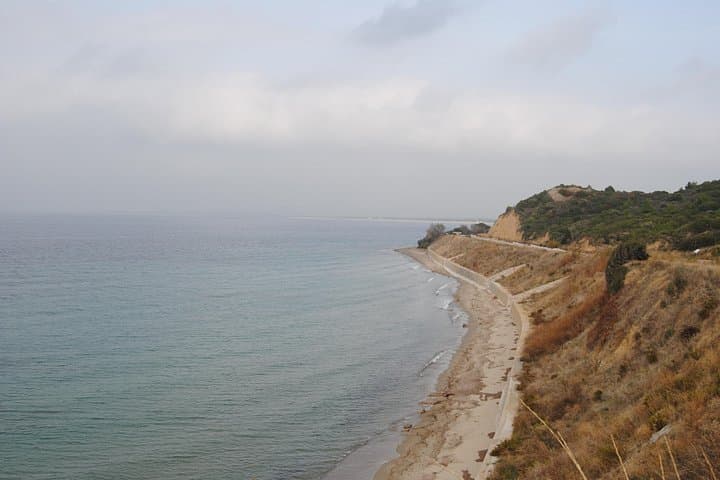
You step off the minivan into a wind that carries salt from the Dardanelles and stories older than most modern borders. Morning light sketches the low mounds of Hisarlık — the ruins of Troy — where layered walls rise like pages in a ruined chronicle. By afternoon the bus rounds the peninsula and you walk the narrow ridgelines and silent beaches of Gallipoli, where concrete memorials mark exacting human drama and the land itself seems to hold its breath.
Verified experiences and guided adventures in the surrounding area.
Operated by Hassle Free Travel · Canakkale, Çanakkale Province
You step off the minivan into a wind that carries salt from the Dardanelles and stories older than most modern borders. Morning light sketches the low mounds of Hisarlık — the ruins of Troy — where layered walls rise like pages in a ruined chronicle. By afternoon the bus rounds the peninsula and you walk the narrow ridgelines and silent beaches of Gallipoli, where concrete memorials mark exacting human drama and the land itself seems to hold its breath.
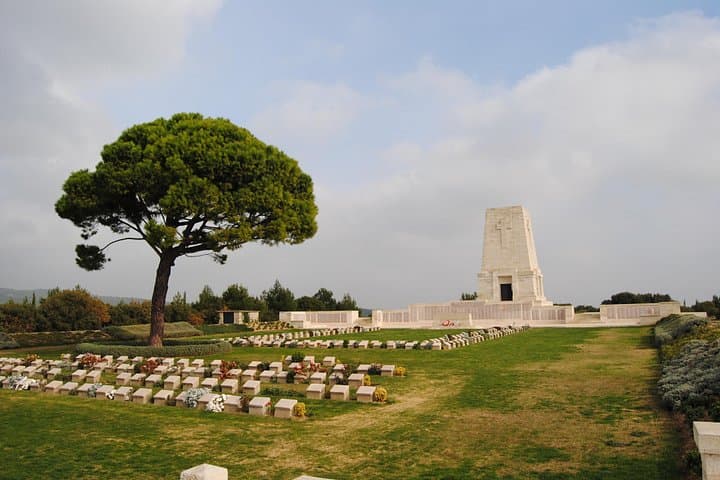
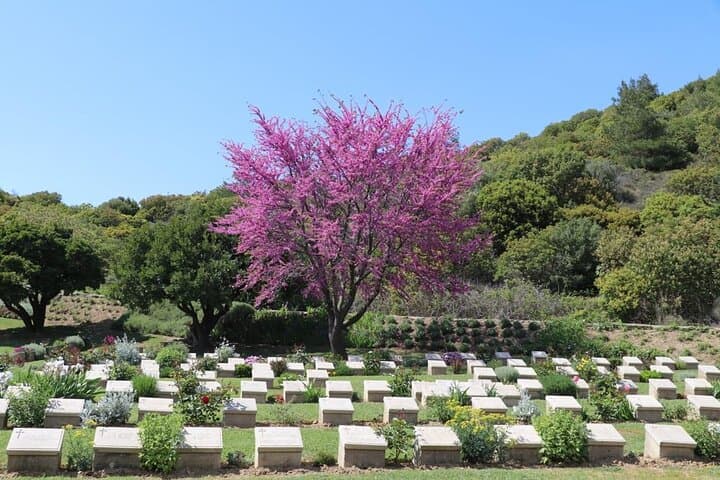
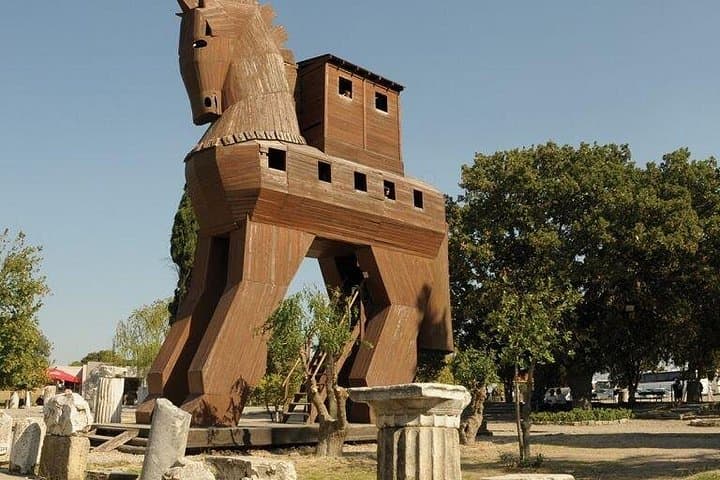
Troy’s nine occupational layers date back to the 3rd millennium BCE; Heinrich Schliemann’s 19th-century excavations brought its myths into archaeology. Geologically the region is a mix of marine terraces and low limestone ridges that shaped ancient coastlines and modern ferry approaches. Gallipoli’s headlands were strategic in World War I, and the ANZAC sites—Lone Pine, Chunuk Bair, The Nek—are preserved as memorial landscapes rather than battle reconstructions.
Practical notes: this is a long, guided day with vehicle transfers and scheduled ferry crossings. Expect uneven footing at archaeological trenches and battlefield tracks; comfortable walking shoes are essential. Bring layered clothing, a wide-brim hat, refillable water, and your passport for onward transfer to Istanbul. Lunch by the Dardanelles breaks the day and guided commentary frames both classical myth and 20th-century history.
Timing matters: light morning hours at Troy make photos easier, while late afternoon on Gallipoli offers softer shadows across memorials. Respect fenced areas and memorial etiquette — these are working archaeological sites and active commemorative spaces.
moderate.
14–16 hours.
Able to handle a long day of guided travel with several short to moderate walks on uneven ground; suitable for most fitness levels but stamina for a full day required.
This is a full-day excursion (approximately 14–16 hours) with morning pickup from Canakkale hotels around 08:30 and evening transfers to Istanbul.
Lunch and round-trip shared transfer services are included; some site admissions are covered as noted in the itinerary—confirm with your operator at booking.
The tour is family-friendly but involves uneven terrain and some stairs at ruins and memorials; visitors with limited mobility should check specific site accessibility before booking.
A local English-speaking guide typically leads the tour; private or customized itineraries may be possible on request but depend on availability and operator policies.
Troy preserves multiple cities built over millennia and was first excavated in the 19th century; Gallipoli is a World War I battlefield where ANZAC and Ottoman forces fought in 1915.
Both archaeological sites and battlefield memorials are protected; follow marked paths, avoid touching exposed ruins, and respect memorial spaces to minimize impact.
Hassle Free Travel operates guided outdoor trips and adventures with an emphasis on safety, stewardship, and memorable experiences.
You step off the minivan into a wind that carries salt from the Dardanelles and stories older than most modern borders. Morning light sketches the low mounds of Hisarlık — the ruins of Troy — where layered walls rise like pages in a ruined chronicle. By afternoon the bus rounds the peninsula and you walk the narrow ridgelines and silent beaches of Gallipoli, where concrete memorials mark exacting human drama and the land itself seems to hold its breath.
You step off the minivan into a wind that carries salt from the Dardanelles and stories older than most modern borders. Morning light sketches the low mounds of Hisarlık — the ruins of Troy — where layered walls rise like pages in a ruined chronicle. By afternoon the bus rounds the peninsula and you walk the narrow ridgelines and silent beaches of Gallipoli, where concrete memorials mark exacting human drama and the land itself seems to hold its breath.
Troy’s nine occupational layers date back to the 3rd millennium BCE; Heinrich Schliemann’s 19th-century excavations brought its myths into archaeology. Geologically the region is a mix of marine terraces and low limestone ridges that shaped ancient coastlines and modern ferry approaches. Gallipoli’s headlands were strategic in World War I, and the ANZAC sites—Lone Pine, Chunuk Bair, The Nek—are preserved as memorial landscapes rather than battle reconstructions.
Practical notes: this is a long, guided day with vehicle transfers and scheduled ferry crossings. Expect uneven footing at archaeological trenches and battlefield tracks; comfortable walking shoes are essential. Bring layered clothing, a wide-brim hat, refillable water, and your passport for onward transfer to Istanbul. Lunch by the Dardanelles breaks the day and guided commentary frames both classical myth and 20th-century history.
Timing matters: light morning hours at Troy make photos easier, while late afternoon on Gallipoli offers softer shadows across memorials. Respect fenced areas and memorial etiquette — these are working archaeological sites and active commemorative spaces.