THE ADVENTURE COLLECTIVE® · Independent discovery and booking for outdoor travel

An eight-day loop through Sri Lanka that pairs ancient capitals and colonial forts with highland tea estates and two of the island’s premier wildlife parks. Expect early mornings, temple rituals, and close-up elephant encounters in Minneriya and Yala.
An eight-day loop through Sri Lanka that pairs ancient capitals and colonial forts with highland tea estates and two of the island’s premier wildlife parks. Expect early mornings, temple rituals, and close-up elephant encounters in Minneriya and Yala.
The tour begins with a hum — the motor hum of an air-conditioned van easing out of Colombo at dawn as the city unravels into paddy fields and the ocean slips away to the west. By midmorning you’re standing beneath the painted caverns of Dambulla, where centuries-old murals press close and the cool stone seems to hold conversations with pilgrims. The itinerary stitches together ruins, tea-country highlands, and lowland parks so that each day reads like a different chapter of the island’s story.
Verified experiences and guided adventures in the surrounding area.
Operated by KINGFISHER TOURS SRI LANKA · Colombo, Western Province
The tour begins with a hum — the motor hum of an air-conditioned van easing out of Colombo at dawn as the city unravels into paddy fields and the ocean slips away to the west. By midmorning you’re standing beneath the painted caverns of Dambulla, where centuries-old murals press close and the cool stone seems to hold conversations with pilgrims. The itinerary stitches together ruins, tea-country highlands, and lowland parks so that each day reads like a different chapter of the island’s story.
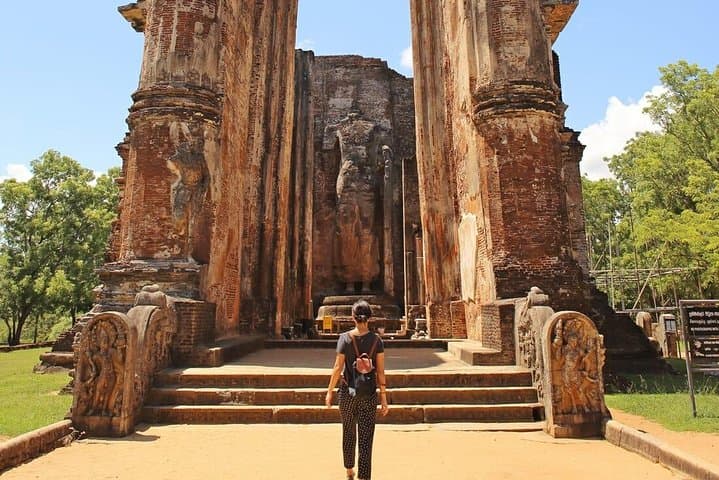
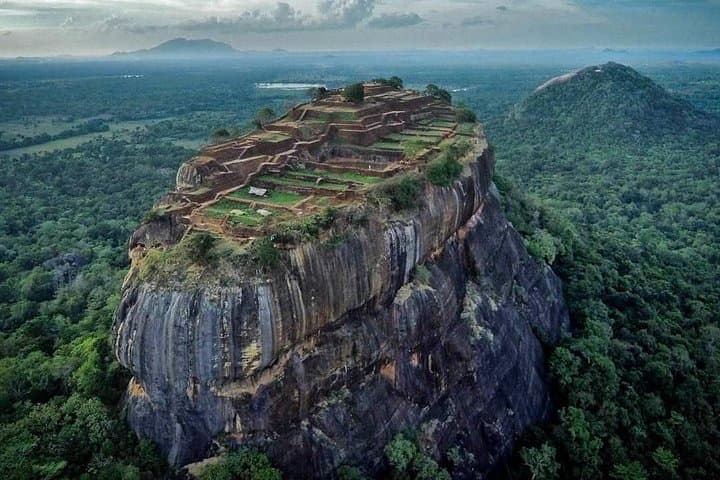
Polonnaruwa’s stone Buddhas and Vatadage reveal Sri Lanka’s medieval sophistication: carved granite that has weathered monsoon and empire. In Minneriya, the land has learned to collect elephants; during the dry season hundreds gather on the dusty plains and the herd’s slow, deliberate movement feels like an argument between water and appetite. Sigiriya’s fifth-century rock fortress demands a climb — narrow staircases, the lion’s paws gateway, and frescoes that have survived wind and rain — and at its crown the plateau opens to 360-degree views of checkerboard agriculture and distant jungle.
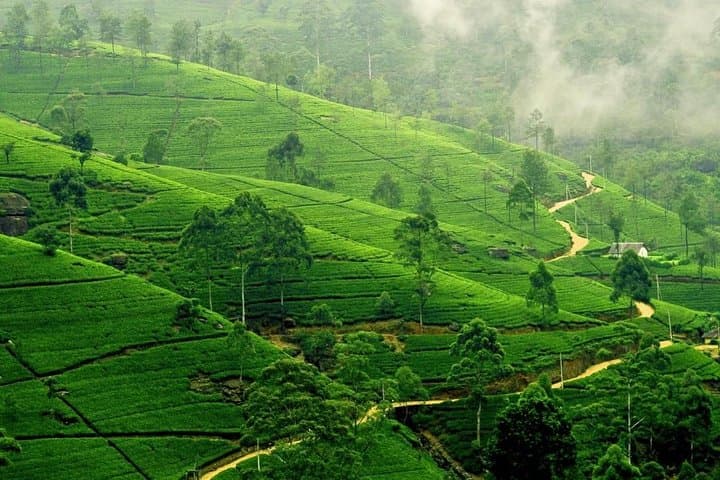
Kandy, the island’s spiritual heart, houses the Temple of the Tooth, where devotees stream in the evening to offer flowers and song. The train ride to Nuwara Eliya winds through a highland world of clipped tea bushes and mist; at 6,200 feet the temperature can drop sharply, and the British-era town still keeps its clipped lawns and colonial architecture like an accent from another era.
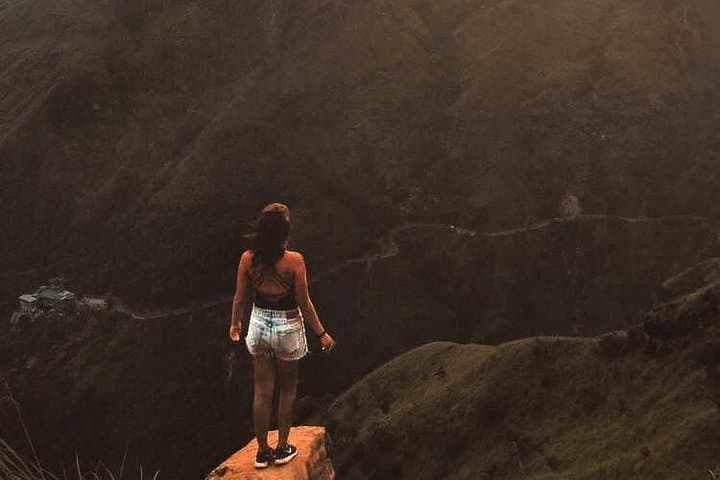
Ella provides the kind of walking route that rewards slow eyes: Little Adam’s Peak and the Nine Arches Bridge are short hikes with big vistas, where the landscape seems to roll like slow water. Yala and Minneriya present the wildlife contrast — Yala’s leopard prowls the scrub while Minneriya stages the great elephant congregation. The coastal chapter ends in Galle, where Dutch ramparts lean into the sea and the sunset at Galle Face Green lets the day exhale.
Practical guidance: pack layers for hill-country chills and lightweight fabrics for the lowland heat; aim to visit Minneriya between May and October to catch the Great Elephant Gathering. Expect moderate walking: many sites have uneven stone steps and short hikes up rock faces. Mornings are best for safaris and Sigiriya’s stairways are least crowded at first light. Respect temple protocol — shoulders and knees covered, shoes removed.
This is a tour that balances cultural depth with wildlife spectacle, where each stop adds a different language to your understanding of Sri Lanka — history etched in stone, plantations that smell of steam and tea, and national parks where elephants and leopards still call the lowlands home.
moderate.
8 days.
Moderate—comfortable with several short hikes, stair climbs (Sigiriya) and long vehicle transfers; basic stamina for full days.
Yes—this private tour is family-friendly, but infants must sit on laps; long drives and some early mornings may be tiring for very young children.
Visit Minneriya between May and October to increase chances of witnessing the Great Elephant Gathering during the dry season.
Most travelers need an ETA (Electronic Travel Authorization) before arrival; check your country’s requirements and arrange it in advance.
The itinerary lists inclusions like tolls and local taxes; confirm with the supplier whether national park entrance and safari vehicle fees are covered or payable locally.
Yes—local guides and hotels can usually accommodate vegetarian, vegan and common dietary needs if informed at booking.
Some logistics note wheelchair accessibility, but many archaeological sites and hill trails have steps and uneven terrain—ask the operator about on-the-ground arrangements.
The route threads Sri Lanka’s major historical eras: Polonnaruwa’s 10th–13th century kingdom, Kandy’s role as the last Sinhalese kingdom, and coastal Galle’s Portuguese–Dutch colonial layers.
Respect park rules and keep distance from wildlife; responsible tourism supports local conservation fees and community-run reserves that protect elephants and leopards.
KINGFISHER TOURS SRI LANKA operates guided outdoor trips and adventures with an emphasis on safety, stewardship, and memorable experiences.
The tour begins with a hum — the motor hum of an air-conditioned van easing out of Colombo at dawn as the city unravels into paddy fields and the ocean slips away to the west. By midmorning you’re standing beneath the painted caverns of Dambulla, where centuries-old murals press close and the cool stone seems to hold conversations with pilgrims. The itinerary stitches together ruins, tea-country highlands, and lowland parks so that each day reads like a different chapter of the island’s story.
The tour begins with a hum — the motor hum of an air-conditioned van easing out of Colombo at dawn as the city unravels into paddy fields and the ocean slips away to the west. By midmorning you’re standing beneath the painted caverns of Dambulla, where centuries-old murals press close and the cool stone seems to hold conversations with pilgrims. The itinerary stitches together ruins, tea-country highlands, and lowland parks so that each day reads like a different chapter of the island’s story.
Polonnaruwa’s stone Buddhas and Vatadage reveal Sri Lanka’s medieval sophistication: carved granite that has weathered monsoon and empire. In Minneriya, the land has learned to collect elephants; during the dry season hundreds gather on the dusty plains and the herd’s slow, deliberate movement feels like an argument between water and appetite. Sigiriya’s fifth-century rock fortress demands a climb — narrow staircases, the lion’s paws gateway, and frescoes that have survived wind and rain — and at its crown the plateau opens to 360-degree views of checkerboard agriculture and distant jungle.
Kandy, the island’s spiritual heart, houses the Temple of the Tooth, where devotees stream in the evening to offer flowers and song. The train ride to Nuwara Eliya winds through a highland world of clipped tea bushes and mist; at 6,200 feet the temperature can drop sharply, and the British-era town still keeps its clipped lawns and colonial architecture like an accent from another era.
Ella provides the kind of walking route that rewards slow eyes: Little Adam’s Peak and the Nine Arches Bridge are short hikes with big vistas, where the landscape seems to roll like slow water. Yala and Minneriya present the wildlife contrast — Yala’s leopard prowls the scrub while Minneriya stages the great elephant congregation. The coastal chapter ends in Galle, where Dutch ramparts lean into the sea and the sunset at Galle Face Green lets the day exhale.
Practical guidance: pack layers for hill-country chills and lightweight fabrics for the lowland heat; aim to visit Minneriya between May and October to catch the Great Elephant Gathering. Expect moderate walking: many sites have uneven stone steps and short hikes up rock faces. Mornings are best for safaris and Sigiriya’s stairways are least crowded at first light. Respect temple protocol — shoulders and knees covered, shoes removed.
This is a tour that balances cultural depth with wildlife spectacle, where each stop adds a different language to your understanding of Sri Lanka — history etched in stone, plantations that smell of steam and tea, and national parks where elephants and leopards still call the lowlands home.