THE ADVENTURE COLLECTIVE® · Independent discovery and booking for outdoor travel

Traverse a living corridor from Andean paramo to Yasuni’s flooded forest: hummingbird-rich cloud forests, antpitta hideouts, canoe rides on an oxbow lake, and sunrise parrot clay licks. This multi-day route is a concentrated biodiversity primer with practical, guided access.
Traverse a living corridor from Andean paramo to Yasuni’s flooded forest: hummingbird-rich cloud forests, antpitta hideouts, canoe rides on an oxbow lake, and sunrise parrot clay licks. This multi-day route is a concentrated biodiversity primer with practical, guided access.
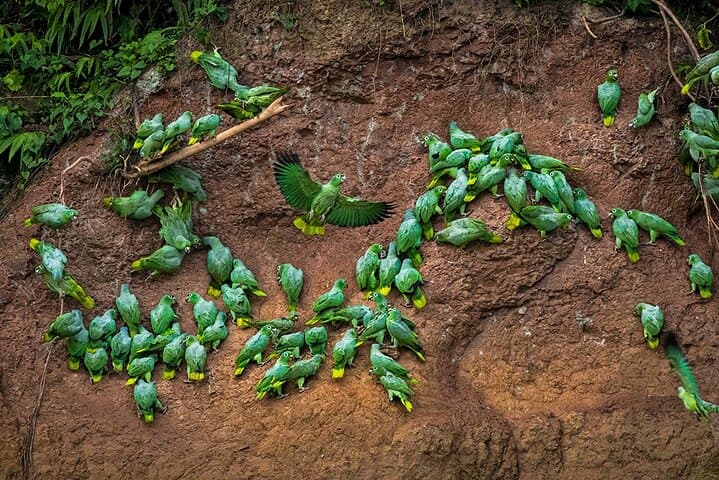
You start the day above the clouds — Papallacta’s paramo air stings your cheeks and the Antisana massif slices the horizon — and, within a few days, you’re listening to parrots arguing over the mud at a clay lick as dawn paints the canopy. The itinerary moves fast across elevation and climate, so each dawn brings a new palette: tundra grasses and Puya rosettes at 3,500 m, humid cloud forest corridors in the Quijos Valley, and the warm, insect-sung nights of Limoncocha’s oxbow lake.
Verified experiences and guided adventures in the surrounding area.
Operated by Neotropical Nature and Birding Trips · Loreto, Orellana
You start the day above the clouds — Papallacta’s paramo air stings your cheeks and the Antisana massif slices the horizon — and, within a few days, you’re listening to parrots arguing over the mud at a clay lick as dawn paints the canopy. The itinerary moves fast across elevation and climate, so each dawn brings a new palette: tundra grasses and Puya rosettes at 3,500 m, humid cloud forest corridors in the Quijos Valley, and the warm, insect-sung nights of Limoncocha’s oxbow lake.
Geology and human history meet here: the Eastern Andes were uplifted in pulses that direct water east into the Amazon basin, carving the corridor that concentrates species. Kichwa and other Amazonian peoples have long used river routes and local knowledge to read seasons and animal movement; local lodges and guides on this route often reflect that living tradition.
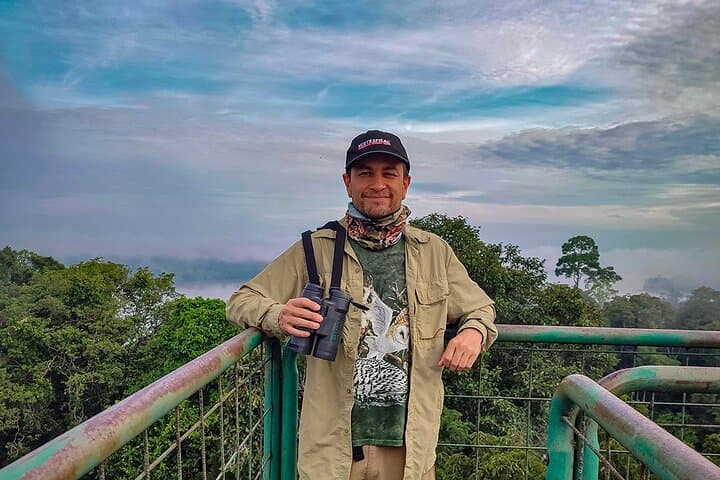
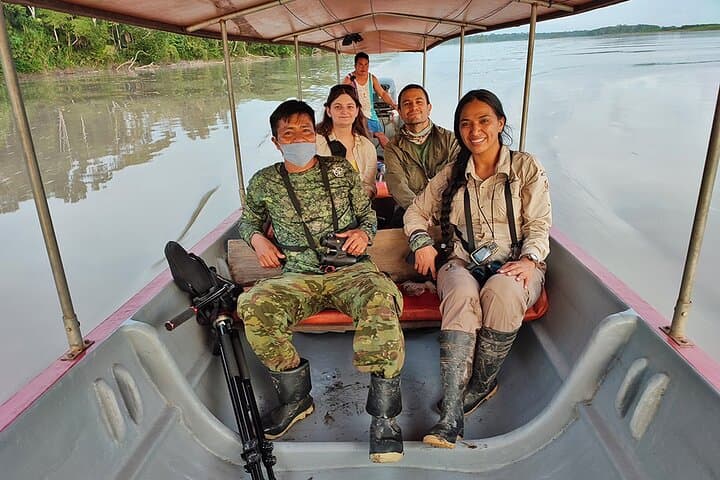
Practically, expect long drives, guided canoe rides, short rainforest hikes, and a 35 m (115 ft) canopy tower climb. Parrot clay licks are best at sunrise; antpitta feeding stations offer close photographic chances if conditions are calm. Trails are muddy in heavier rains and switch from cool, windy paramo to hot, mosquito-prone lowland forest — pack layered clothing, waterproofs, binoculars, and quiet patience. Guides handle boats and navigation; physical demands are moderate but require steady balance for canoe transfers and early-morning activity. Timely pacing, insect protection, and respect for wildlife viewing etiquette will make the corridor between Andes and Amazon reveal its extraordinary biodiversity.
moderate.
5 days.
Suitable for travelers in good general health who can handle 1–3 hour guided walks, canoe transfers, and early starts
Clay licks are most active at sunrise; guides time canoe approaches to arrive before birds begin heavy activity.
No — guided canoe transfers are standard and staff handle navigation; a basic level of balance and willingness to embark small boats is all that’s needed.
Lodges on this route are simple but clean: cabañas with basic amenities. Expect rustic comfort rather than luxury.
Vaccination requirements vary—consult a travel clinic. Malaria risk in parts of the Amazon exists; discuss prophylaxis with your doctor and use repellents and nets where provided.
The Eastern Andes-Amazon corridor developed as uplift and river capture connected highland and lowland ecosystems; local Kichwa communities still guide and manage many lowland routes.
Yasuni and adjacent reserves are biodiversity strongholds facing logging and oil pressures; choose guided operators that support local conservation and employ low-impact practices.
Neotropical Nature and Birding Trips operates guided outdoor trips and adventures with an emphasis on safety, stewardship, and memorable experiences.

You start the day above the clouds — Papallacta’s paramo air stings your cheeks and the Antisana massif slices the horizon — and, within a few days, you’re listening to parrots arguing over the mud at a clay lick as dawn paints the canopy. The itinerary moves fast across elevation and climate, so each dawn brings a new palette: tundra grasses and Puya rosettes at 3,500 m, humid cloud forest corridors in the Quijos Valley, and the warm, insect-sung nights of Limoncocha’s oxbow lake.
You start the day above the clouds — Papallacta’s paramo air stings your cheeks and the Antisana massif slices the horizon — and, within a few days, you’re listening to parrots arguing over the mud at a clay lick as dawn paints the canopy. The itinerary moves fast across elevation and climate, so each dawn brings a new palette: tundra grasses and Puya rosettes at 3,500 m, humid cloud forest corridors in the Quijos Valley, and the warm, insect-sung nights of Limoncocha’s oxbow lake.
Geology and human history meet here: the Eastern Andes were uplifted in pulses that direct water east into the Amazon basin, carving the corridor that concentrates species. Kichwa and other Amazonian peoples have long used river routes and local knowledge to read seasons and animal movement; local lodges and guides on this route often reflect that living tradition.
Practically, expect long drives, guided canoe rides, short rainforest hikes, and a 35 m (115 ft) canopy tower climb. Parrot clay licks are best at sunrise; antpitta feeding stations offer close photographic chances if conditions are calm. Trails are muddy in heavier rains and switch from cool, windy paramo to hot, mosquito-prone lowland forest — pack layered clothing, waterproofs, binoculars, and quiet patience. Guides handle boats and navigation; physical demands are moderate but require steady balance for canoe transfers and early-morning activity. Timely pacing, insect protection, and respect for wildlife viewing etiquette will make the corridor between Andes and Amazon reveal its extraordinary biodiversity.