THE ADVENTURE COLLECTIVE® · Independent discovery and booking for outdoor travel

A two-day classic from McLeod Ganj, the Triund Trek climbs to a windswept ridge at ~2,850 m with an overnight camp and sweeping Dhauladhar views. This guide covers routes, seasonal planning and practical tips to prepare for the ascent.
A two-day classic from McLeod Ganj, the Triund Trek climbs to a windswept ridge at ~2,850 m with an overnight camp and sweeping Dhauladhar views. This guide covers routes, seasonal planning and practical tips to prepare for the ascent.
A late-afternoon trail climbs out of McLeod Ganj, past prayer flags and small tea stalls, the town shrinking below as the forest closes in. Pine needles hush your steps; the path alternates between packed earth and stone. With each switchback the temperature drops and the ridge of the Dhauladhar looms, daring you toward a high meadow where tents dot the skyline and the horizon widens.
Verified experiences and guided adventures in the surrounding area.
Operated by ImmVentures · McLeod Ganj, Himachal Pradesh
A late-afternoon trail climbs out of McLeod Ganj, past prayer flags and small tea stalls, the town shrinking below as the forest closes in. Pine needles hush your steps; the path alternates between packed earth and stone. With each switchback the temperature drops and the ridge of the Dhauladhar looms, daring you toward a high meadow where tents dot the skyline and the horizon widens.
The Triund route traces the southern edge of the Dhauladhar Range—a young, folded spur of the Himalaya pushed up by the Indian plate. The area around McLeod Ganj has deep Tibetan cultural links; monasteries and Tibetan-run cafés near the trailhead offer a human backdrop to the alpine environment. Geologically, the Dhauladhars are steep and abrupt, giving trekkers dramatic vertical views without the technical climbing.
Practically, the common itinerary is a 4–5 hour ascent (about 7–9 km depending on route) to the Triund ridge at ~2,850 m, an overnight camp, and a return the next day. Terrain is a mix of forest track, exposed ridgeline and meadow—expect loose stones and short steep pitches. Altitude, not technical difficulty, is the main challenge: carry layers, a water filter, and a headlamp. Start early to avoid afternoon clouds, and leave no trace: campsites are fragile and commonly impacted by litter and fires.
For first-time Himalayan trekkers Triund offers an accessible taste of high-altitude hiking and open-sky camping—big views, variable weather, and a clear sense of place within the Dhauladhar’s stony folds.
moderate.
2 days (4–6 hours uphill; 3–4 hours descent).
Suitable for hikers with moderate fitness: regular walkers who can manage sustained uphill climbs and brief steep sections, comfortable at near-3,000 m altitude.
The common route is roughly 7–9 km one-way with 4–5 hours ascent; terrain is non-technical but includes sustained uphill and some steep switchbacks.
No formal permit is required for Triund, though hiring a local guide or porter is optional and helpful for beginners; guided groups also manage camping logistics.
Late spring to early autumn (April–November) offers the most stable weather; heavy snow can block or complicate the route in January–March.
Campsites are basic: tent accommodation, shared toilet setups at some spots, and tea/snack stalls; do not expect running water or private facilities.
McLeod Ganj is the center of the Tibetan exile community in India; the Dhauladhar’s sharp folds were uplifted by the collision of the Indian and Eurasian plates, creating steep, sculpted ridges.
Triund sees heavy foot traffic and seasonal camping; practice leave-no-trace, avoid wood fires, and pack out all waste to protect fragile alpine meadows.
ImmVentures operates guided outdoor trips and adventures with an emphasis on safety, stewardship, and memorable experiences.
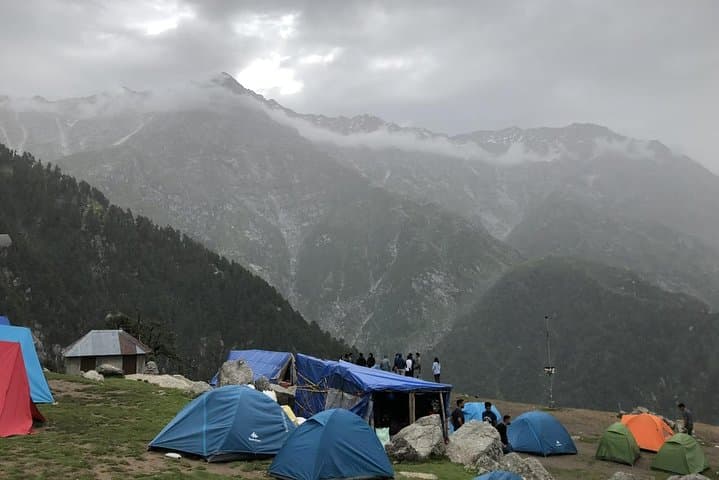
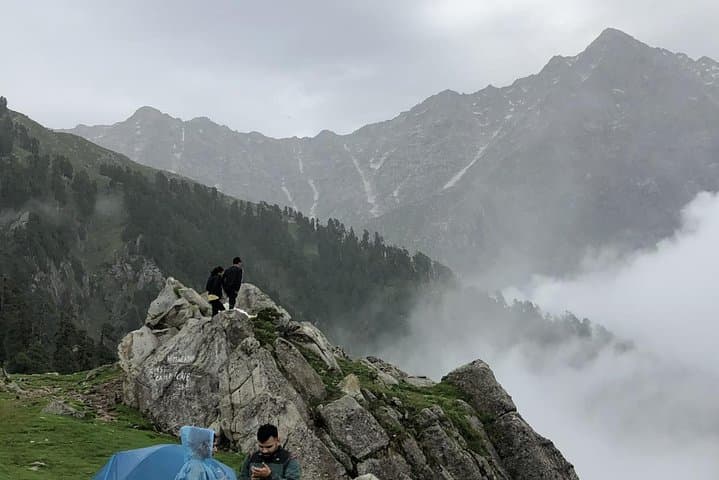
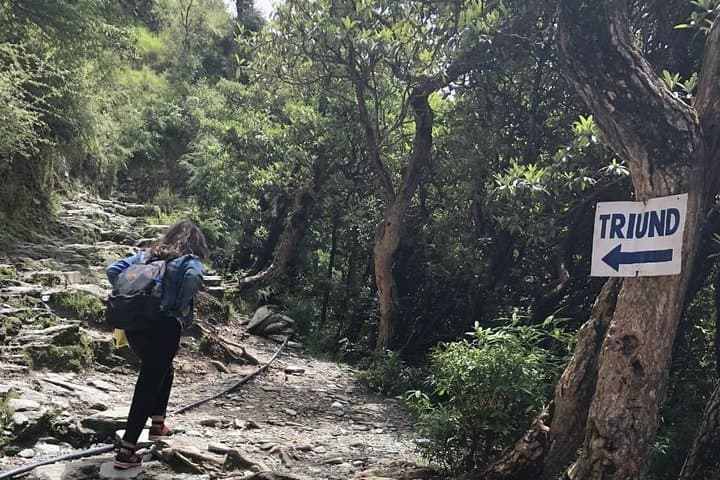
A late-afternoon trail climbs out of McLeod Ganj, past prayer flags and small tea stalls, the town shrinking below as the forest closes in. Pine needles hush your steps; the path alternates between packed earth and stone. With each switchback the temperature drops and the ridge of the Dhauladhar looms, daring you toward a high meadow where tents dot the skyline and the horizon widens.
A late-afternoon trail climbs out of McLeod Ganj, past prayer flags and small tea stalls, the town shrinking below as the forest closes in. Pine needles hush your steps; the path alternates between packed earth and stone. With each switchback the temperature drops and the ridge of the Dhauladhar looms, daring you toward a high meadow where tents dot the skyline and the horizon widens.
The Triund route traces the southern edge of the Dhauladhar Range—a young, folded spur of the Himalaya pushed up by the Indian plate. The area around McLeod Ganj has deep Tibetan cultural links; monasteries and Tibetan-run cafés near the trailhead offer a human backdrop to the alpine environment. Geologically, the Dhauladhars are steep and abrupt, giving trekkers dramatic vertical views without the technical climbing.
Practically, the common itinerary is a 4–5 hour ascent (about 7–9 km depending on route) to the Triund ridge at ~2,850 m, an overnight camp, and a return the next day. Terrain is a mix of forest track, exposed ridgeline and meadow—expect loose stones and short steep pitches. Altitude, not technical difficulty, is the main challenge: carry layers, a water filter, and a headlamp. Start early to avoid afternoon clouds, and leave no trace: campsites are fragile and commonly impacted by litter and fires.
For first-time Himalayan trekkers Triund offers an accessible taste of high-altitude hiking and open-sky camping—big views, variable weather, and a clear sense of place within the Dhauladhar’s stony folds.