THE ADVENTURE COLLECTIVE® · Independent discovery and booking for outdoor travel

A short but steep Himalayan ridgewalk above McLeod Ganj, the Triund Trek delivers sunrise panoramas of the Dhauladhar and an overnight camp experience. Fast to reach yet rewarding, it’s ideal for first-time trekkers who want big-mountain views without technical climbing.
A short but steep Himalayan ridgewalk above McLeod Ganj, the Triund Trek delivers sunrise panoramas of the Dhauladhar and an overnight camp experience. Fast to reach yet rewarding, it’s ideal for first-time trekkers who want big-mountain views without technical climbing.
You step out of McLeod Ganj before dawn and the trail pulls you upward through oak and deodar, the air thinning into a clean, cold clarity that makes each breath feel purposeful.
Verified experiences and guided adventures in the surrounding area.
Operated by Manu Adventures India · McLeod Ganj, Himachal Pradesh
You step out of McLeod Ganj before dawn and the trail pulls you upward through oak and deodar, the air thinning into a clean, cold clarity that makes each breath feel purposeful.
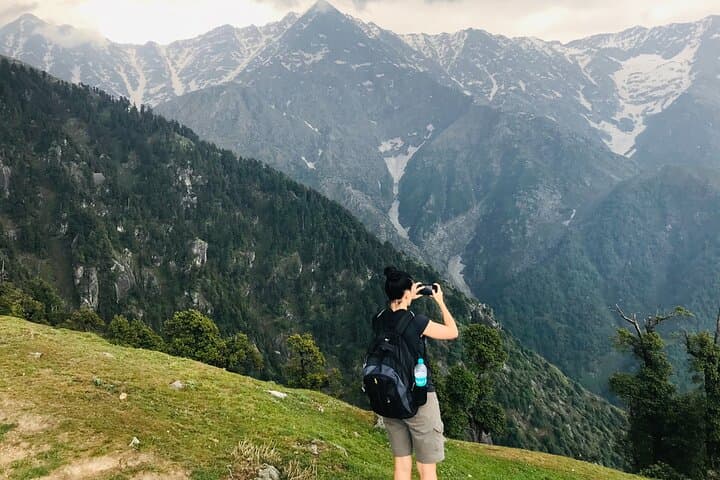
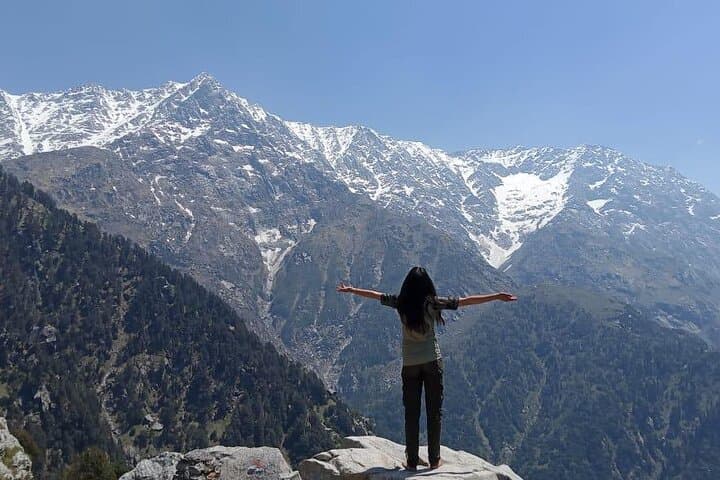
The hike to Triund is a compact mountain experience: about 9–12 km round-trip with roughly 700–900 m of elevation gain depending on start point, a steady four-hour climb on packed dirt, rock-strewn switchbacks and rhododendron-swathed slopes. On Day 1 the route opens onto a café and a ridge with broad views of the Dhauladhar range; the camp at Leta sits a short descent below the Triund crest and becomes base for a sunrise watch.
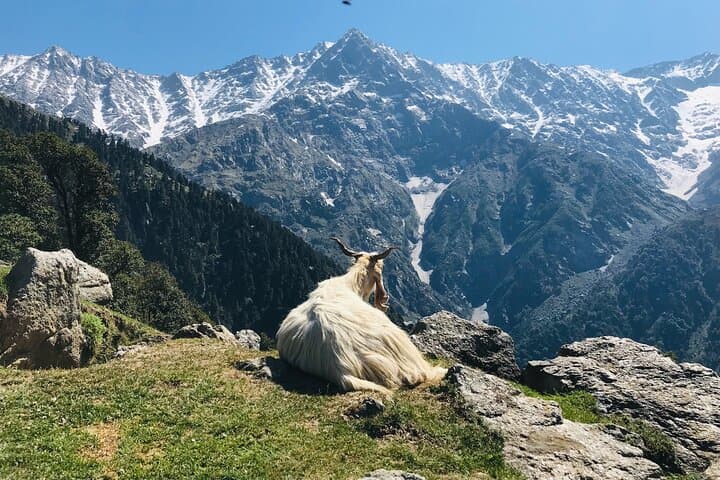
This ridge has long been a local grazing ground and a modern-day escape for Dharamshala residents and global travelers alike. Geologically, the Dhauladhars are steep, glaciated foothills of the Greater Himalaya, their limestone and shale cliffs dropping abruptly to the Kangra Valley.
Expect a culture mix: Tibetan monks in McLeod Ganj, Hindu village life in Bhagsu, and trekking crews who move quickly and practically. Plan for early starts—sunrise is the highlight—and modest campsite facilities: tents, sleeping mats and simple hot meals supplied by operators.
Practical guidance: bring layered clothing for cold nights, a headlamp, 2–3 liters of water, and sturdy boots with ankle support. Acclimatize if you’ve traveled directly from low altitude, and allow extra time for the return to McLeod Ganj so you can explore Bhagsu Falls or local bazaars in the afternoon.
moderate.
2 days (overnight).
Suitable for hikers with regular aerobic fitness; expect sustained uphill walking for several hours and light load carrying for overnight gear.
Typical itinerary is a 3–4 hour ascent to Triund and a short walk down to Leta campsite, then 2–3 hours descent the next day. The trail is steep in sections but non-technical; moderate fitness is recommended.
No formal permits are required for Triund, but local guides and operators handle camping logistics, tents and food—useful if you’re unfamiliar with the route.
March–June and September–November offer the most stable weather and clear mountain views; monsoon months are slippery and winter brings snow and colder nights.
Camps provided by reputable operators include tents, sleeping mats and cooked meals. Basic sanitation is available but bring hand sanitizer and biodegradable toilet paper for comfort.
The ridge was traditionally used by local shepherds and became a popular short-trek with McLeod Ganj’s rise as a Tibetan cultural center in the late 20th century.
Trails run through fragile alpine meadows—stick to marked paths, pack out waste and use operator-provided sanitation to limit erosion and litter.
Manu Adventures India operates guided outdoor trips and adventures with an emphasis on safety, stewardship, and memorable experiences.
You step out of McLeod Ganj before dawn and the trail pulls you upward through oak and deodar, the air thinning into a clean, cold clarity that makes each breath feel purposeful.
You step out of McLeod Ganj before dawn and the trail pulls you upward through oak and deodar, the air thinning into a clean, cold clarity that makes each breath feel purposeful.
The hike to Triund is a compact mountain experience: about 9–12 km round-trip with roughly 700–900 m of elevation gain depending on start point, a steady four-hour climb on packed dirt, rock-strewn switchbacks and rhododendron-swathed slopes. On Day 1 the route opens onto a café and a ridge with broad views of the Dhauladhar range; the camp at Leta sits a short descent below the Triund crest and becomes base for a sunrise watch.
This ridge has long been a local grazing ground and a modern-day escape for Dharamshala residents and global travelers alike. Geologically, the Dhauladhars are steep, glaciated foothills of the Greater Himalaya, their limestone and shale cliffs dropping abruptly to the Kangra Valley.
Expect a culture mix: Tibetan monks in McLeod Ganj, Hindu village life in Bhagsu, and trekking crews who move quickly and practically. Plan for early starts—sunrise is the highlight—and modest campsite facilities: tents, sleeping mats and simple hot meals supplied by operators.
Practical guidance: bring layered clothing for cold nights, a headlamp, 2–3 liters of water, and sturdy boots with ankle support. Acclimatize if you’ve traveled directly from low altitude, and allow extra time for the return to McLeod Ganj so you can explore Bhagsu Falls or local bazaars in the afternoon.