THE ADVENTURE COLLECTIVE® · Independent discovery and booking for outdoor travel

A compact 4-day loop from Kathmandu that combines two days of Trisuli River rafting with two days of wildlife activities in Chitwan National Park. Expect river-running mornings, riverside lunches, and guided jungle safaris with opportunities for canoeing, birding, and cultural encounters.
A compact 4-day loop from Kathmandu that combines two days of Trisuli River rafting with two days of wildlife activities in Chitwan National Park. Expect river-running mornings, riverside lunches, and guided jungle safaris with opportunities for canoeing, birding, and cultural encounters.
You step out of a bus with the rattle of Kathmandu receding behind you; the Trisuli River is already audible — a quick, bright drum beneath the hills. Within hours your paddle bites into cold, rushing water; the river pulls and tests you, offering class II–III rapids that reward steady strokes and quick thinking.
Verified experiences and guided adventures in the surrounding area.
Operated by Holyland Adventure Tours and Travels · Kathmandu, Bagmati Province
You step out of a bus with the rattle of Kathmandu receding behind you; the Trisuli River is already audible — a quick, bright drum beneath the hills. Within hours your paddle bites into cold, rushing water; the river pulls and tests you, offering class II–III rapids that reward steady strokes and quick thinking.
The Trisuli corridor cuts through younger Himalayan foothills carved from sedimentary rock, where braided channels form after seasonal snowmelt. Two days on the river have long been a practical option for travelers moving between Kathmandu, Pokhara and Chitwan — a route shaped by trade and the rhythms of monsoon-driven flow. Then the landscape softens into the lowland Terai: tall grasses, riverside sal forests and the living culture of Tharu villages outside Chitwan National Park.
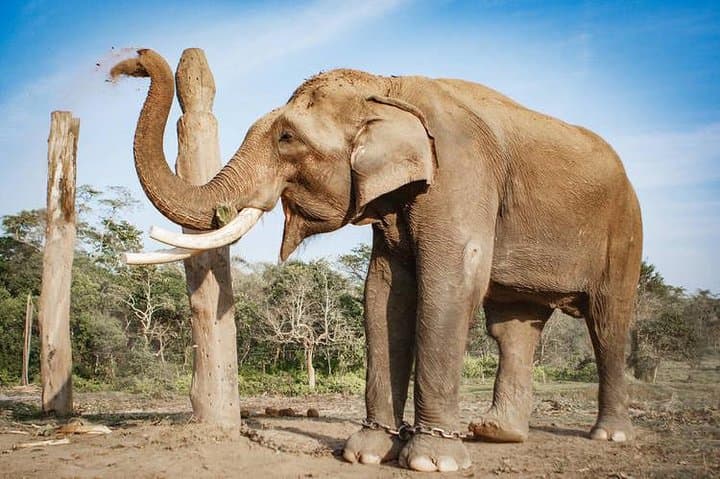
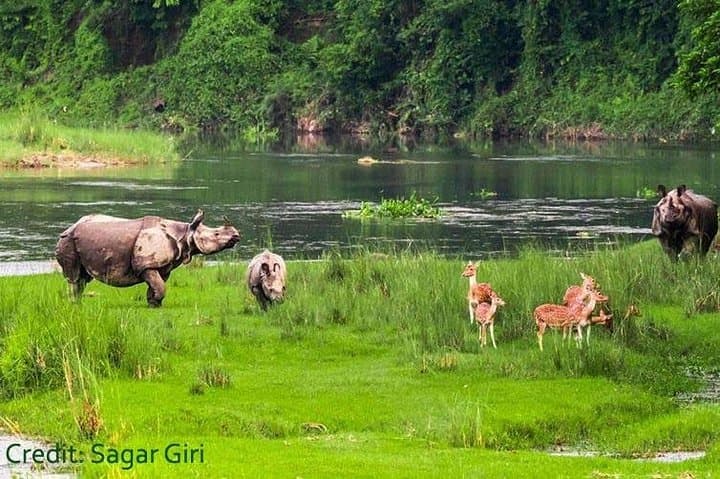
Expect early starts, communal lunches on riverbanks and a switch from wet helmets to elephant-back viewpoints as you trade paddles for safari binoculars. Wildlife here ranges from migratory waterbirds to the one-horned rhinoceros; glimpses of tiger are rare but the park’s biodiversity is the main draw.
Practical guidance: pack quick-dry layers, a lightweight rain shell and sturdy sport shoes that can get wet. Hydration and sun protection are non-negotiable; the river can feel cold but exposure on the Terai afternoons is intense. If you have limited time, this loop efficiently pairs water adrenaline with a credible safari experience — plan flexible travel days during shoulder seasons to avoid monsoon cancellations and enjoy clearer water and easier game viewing.
moderate.
4 days.
Moderate fitness required: able to handle 2–4 hours of paddling and full days with transfers; not suitable for those with serious back or heart issues.
No — the Trisuli stretches used on this itinerary are typically class II–III, suitable for beginners under guide supervision; basic swimming confidence helps.
Elephant safaris are traditional in Chitwan and considered low-risk when conducted by trained handlers, but check elephant welfare standards and consider jeep or walking safaris as alternatives.
Rhino sightings are relatively common in Chitwan; tigers are elusive and sightings are rare, though you’ll still find rich birdlife and other mammals.
Routine vaccinations should be up to date; speak with a travel clinic about typhoid, hepatitis A, and antimalarial recommendations for Terai regions.
The Trisuli corridor has long been a practical transit route between Kathmandu and the Terai; Chitwan was established as Nepal’s first national park in 1973 to protect declining rhinoceros populations.
Chitwan National Park uses controlled visitor access and community-based programs to balance tourism with habitat protection; follow guide rules to minimize disturbance and use registered operators.
Holyland Adventure Tours and Travels operates guided outdoor trips and adventures with an emphasis on safety, stewardship, and memorable experiences.
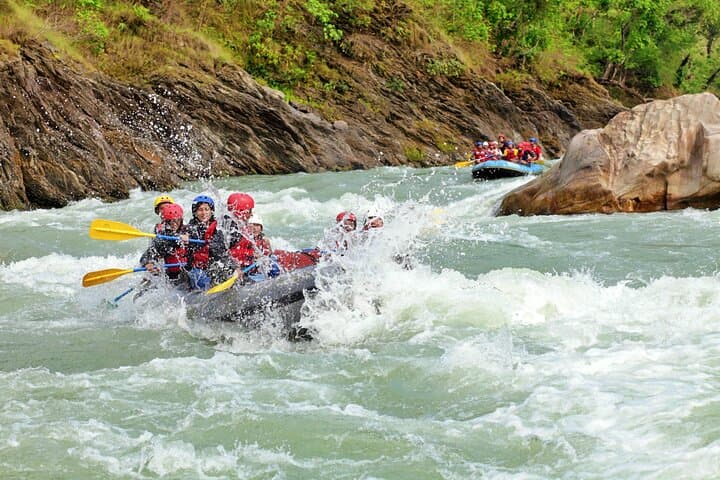
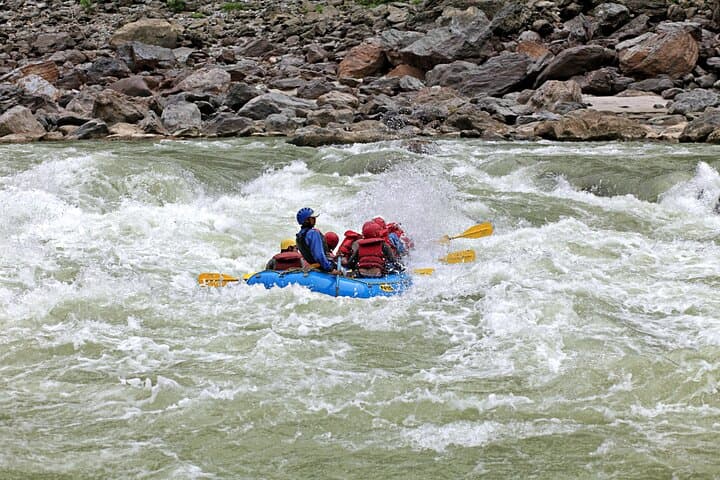
You step out of a bus with the rattle of Kathmandu receding behind you; the Trisuli River is already audible — a quick, bright drum beneath the hills. Within hours your paddle bites into cold, rushing water; the river pulls and tests you, offering class II–III rapids that reward steady strokes and quick thinking.
You step out of a bus with the rattle of Kathmandu receding behind you; the Trisuli River is already audible — a quick, bright drum beneath the hills. Within hours your paddle bites into cold, rushing water; the river pulls and tests you, offering class II–III rapids that reward steady strokes and quick thinking.
The Trisuli corridor cuts through younger Himalayan foothills carved from sedimentary rock, where braided channels form after seasonal snowmelt. Two days on the river have long been a practical option for travelers moving between Kathmandu, Pokhara and Chitwan — a route shaped by trade and the rhythms of monsoon-driven flow. Then the landscape softens into the lowland Terai: tall grasses, riverside sal forests and the living culture of Tharu villages outside Chitwan National Park.
Expect early starts, communal lunches on riverbanks and a switch from wet helmets to elephant-back viewpoints as you trade paddles for safari binoculars. Wildlife here ranges from migratory waterbirds to the one-horned rhinoceros; glimpses of tiger are rare but the park’s biodiversity is the main draw.
Practical guidance: pack quick-dry layers, a lightweight rain shell and sturdy sport shoes that can get wet. Hydration and sun protection are non-negotiable; the river can feel cold but exposure on the Terai afternoons is intense. If you have limited time, this loop efficiently pairs water adrenaline with a credible safari experience — plan flexible travel days during shoulder seasons to avoid monsoon cancellations and enjoy clearer water and easier game viewing.