THE ADVENTURE COLLECTIVE® · Independent discovery and booking for outdoor travel

Float between steep gorges and terraced hills on a full-day rafting run down Trishuli River. This approachable Class II–III day trip mixes playful rapids with cultural riverfront sights and easy access from Kathmandu.
Float between steep gorges and terraced hills on a full-day rafting run down Trishuli River. This approachable Class II–III day trip mixes playful rapids with cultural riverfront sights and easy access from Kathmandu.
You push off from a gravel bar as the river pulls at the raft like a curious animal, eager to see what you’ll do next. The first chop arrives in a roar — not savage, but insistent — and the guide’s voice snaps into rhythm with the oars. Around you, the middle hills of Nepal rise in green folds; terraced fields cling to steep slopes and small villages watch the river as if it were the town’s main road. This is Trishuli, a river that carries Himalayan melt and the steady noise of country life toward the lowlands.
Verified experiences and guided adventures in the surrounding area.
Operated by icicles adventure treks and tours · Kathmandu, Bagmati Province
You push off from a gravel bar as the river pulls at the raft like a curious animal, eager to see what you’ll do next. The first chop arrives in a roar — not savage, but insistent — and the guide’s voice snaps into rhythm with the oars. Around you, the middle hills of Nepal rise in green folds; terraced fields cling to steep slopes and small villages watch the river as if it were the town’s main road. This is Trishuli, a river that carries Himalayan melt and the steady noise of country life toward the lowlands.
Trishuli begins near the sacred Gosainkunda lakes in the high Himalaya, running through gorges worn over millennia. The sections used for commercial rafting pass through steep-sided valleys and open into wide sandbars where rivers slow and birds take a breather. Locals have named the rapids — Snail’s Nose, Monkey Rapid, Ladies Delight — because the river’s personality changes every bend. Geologically, Trishuli traces the collision zone between the Indian Plate and the Eurasian Plate; the exposed rock and terraces tell a long story of uplift, erosion and human adaptation.
Culturally, the valley is a crossroads. Traders used these routes long before buses threaded the roads, and you’ll float past hamlets where people still grind grain, hang chilies to dry, and wave as rafts drift by. Guides are often local rafters who grew up reading the river; their stories are a practical history lesson that complements the whitewater. The trip also offers the chance to sample roadside fried fish at Malekhu, or visit the confluence temples near Devghat if you tack on extra time.
Practically, Trishuli is one of Nepal’s most approachable rafting rivers — rated around Class II–III in typical flow, with surges that can spike during the monsoon. Operators run day trips from Kathmandu and Pokhara with hotel pickup in the morning and return by evening. Expect a safety briefing, practice paddling, and full rafting kit (helmet, life jacket). The route mixes playful rapids with quieter stretches for photographing gorges or spotting kingfishers skimming the water.
For planning: pick shoulder seasons for steadier flows and clearer skies; summer monsoon swells the rapids but can also make transport slow. Wear quick-drying clothes, bring a dry bag for cameras, and plan for 8–10 hours including transfers. If you can swim, bring that skill — it turns the experience from nerve-wracking to confident. Whether you’re a first-timer chasing a controlled rush or an experienced paddler threading waves, Trishuli offers a day on the water that pairs adrenaline with the everyday rhythms of rural Nepal.
moderate.
Full day (8–10 hours).
Basic to moderate fitness — must be able to climb in/out of a raft and follow paddle commands; swimming ability recommended.
Most commercial stretches are Class II–III and suitable for beginners with a safety briefing and guide support; guides teach basic paddling and rescue procedures.
Swimming is recommended but not mandatory — life jackets are provided and guides are trained in river rescue; swimmers will feel more confident in a swim exit.
Typical inclusions are private transportation, a trained rafting guide, helmets and life jackets, meals (often full board), and rafting equipment.
Fall and spring offer the best combination of water clarity and reliable flows; monsoon raises the river for stronger rapids but can affect road access.
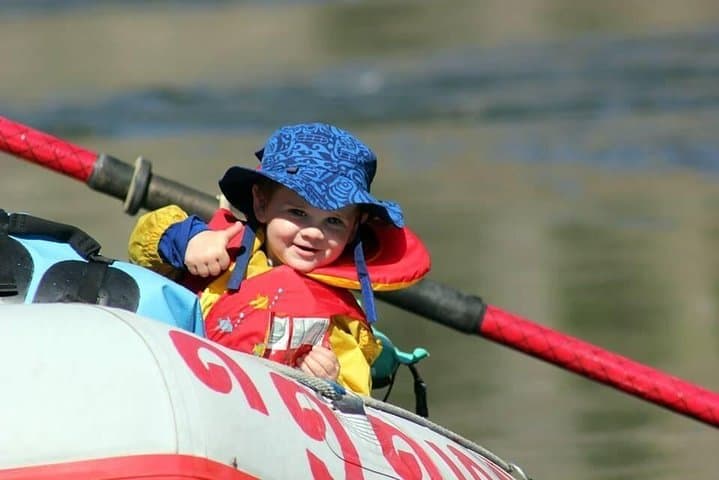
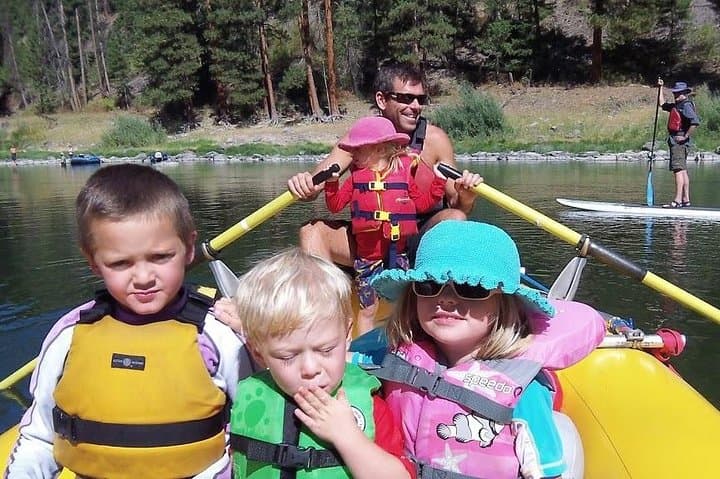
Age limits vary by operator; many accept older children with adults present, but confirm minimum age and any weight/safety restrictions when booking.
From Kathmandu expect 2–3 hours each way depending on traffic and the chosen put-in; operators typically offer hotel pickup early in the morning.
Trishuli’s valley has long been a trade corridor between mountain communities and the southern plains; modern rafting routes pass through landscapes shaped by centuries of farming and river use.
River health can be affected by plastic and upstream runoff; choose operators who practice leave-no-trace and support local communities.
icicles adventure treks and tours operates guided outdoor trips and adventures with an emphasis on safety, stewardship, and memorable experiences.
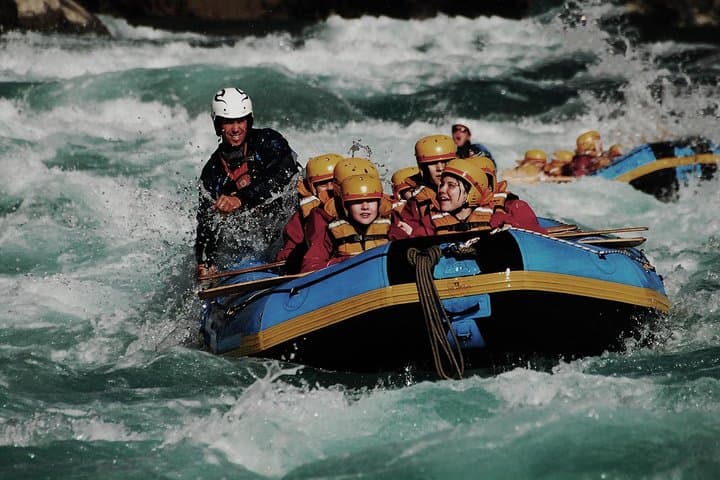
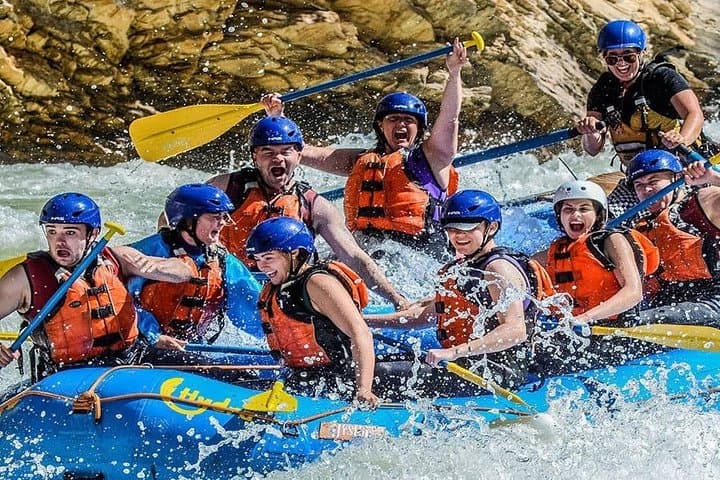
You push off from a gravel bar as the river pulls at the raft like a curious animal, eager to see what you’ll do next. The first chop arrives in a roar — not savage, but insistent — and the guide’s voice snaps into rhythm with the oars. Around you, the middle hills of Nepal rise in green folds; terraced fields cling to steep slopes and small villages watch the river as if it were the town’s main road. This is Trishuli, a river that carries Himalayan melt and the steady noise of country life toward the lowlands.
You push off from a gravel bar as the river pulls at the raft like a curious animal, eager to see what you’ll do next. The first chop arrives in a roar — not savage, but insistent — and the guide’s voice snaps into rhythm with the oars. Around you, the middle hills of Nepal rise in green folds; terraced fields cling to steep slopes and small villages watch the river as if it were the town’s main road. This is Trishuli, a river that carries Himalayan melt and the steady noise of country life toward the lowlands.
Trishuli begins near the sacred Gosainkunda lakes in the high Himalaya, running through gorges worn over millennia. The sections used for commercial rafting pass through steep-sided valleys and open into wide sandbars where rivers slow and birds take a breather. Locals have named the rapids — Snail’s Nose, Monkey Rapid, Ladies Delight — because the river’s personality changes every bend. Geologically, Trishuli traces the collision zone between the Indian Plate and the Eurasian Plate; the exposed rock and terraces tell a long story of uplift, erosion and human adaptation.
Culturally, the valley is a crossroads. Traders used these routes long before buses threaded the roads, and you’ll float past hamlets where people still grind grain, hang chilies to dry, and wave as rafts drift by. Guides are often local rafters who grew up reading the river; their stories are a practical history lesson that complements the whitewater. The trip also offers the chance to sample roadside fried fish at Malekhu, or visit the confluence temples near Devghat if you tack on extra time.
Practically, Trishuli is one of Nepal’s most approachable rafting rivers — rated around Class II–III in typical flow, with surges that can spike during the monsoon. Operators run day trips from Kathmandu and Pokhara with hotel pickup in the morning and return by evening. Expect a safety briefing, practice paddling, and full rafting kit (helmet, life jacket). The route mixes playful rapids with quieter stretches for photographing gorges or spotting kingfishers skimming the water.
For planning: pick shoulder seasons for steadier flows and clearer skies; summer monsoon swells the rapids but can also make transport slow. Wear quick-drying clothes, bring a dry bag for cameras, and plan for 8–10 hours including transfers. If you can swim, bring that skill — it turns the experience from nerve-wracking to confident. Whether you’re a first-timer chasing a controlled rush or an experienced paddler threading waves, Trishuli offers a day on the water that pairs adrenaline with the everyday rhythms of rural Nepal.