THE ADVENTURE COLLECTIVE® · Independent discovery and booking for outdoor travel

A full-day rafting run on Nepal’s Trishuli River blends approachable whitewater (mostly Class II–III) with riverside villages, terraced fields, and a hands-on cultural feel. Expect a scenic drive from Kathmandu, expert guides, and a mix of splashy rapids and calm swims.
A full-day rafting run on Nepal’s Trishuli River blends approachable whitewater (mostly Class II–III) with riverside villages, terraced fields, and a hands-on cultural feel. Expect a scenic drive from Kathmandu, expert guides, and a mix of splashy rapids and calm swims.
You step out of the Jeep onto a gravel riverbank and the air changes — cooler, damp, threaded with the metallic scent of moving water. The Trishuli narrows ahead, a silver ribbon cutting through slate rock and terraced fields; guides lash life jackets and yell cheerful commands that slice through the river’s roar. For a day, the valley becomes a corridor of motion: splashing oars, shouted calls, and villages that lean forward to watch as the raft bounces through a sequence of rapids.
Verified experiences and guided adventures in the surrounding area.
Operated by Real Adventure Nepal · Kathmandu, Bagmati Province
You step out of the Jeep onto a gravel riverbank and the air changes — cooler, damp, threaded with the metallic scent of moving water. The Trishuli narrows ahead, a silver ribbon cutting through slate rock and terraced fields; guides lash life jackets and yell cheerful commands that slice through the river’s roar. For a day, the valley becomes a corridor of motion: splashing oars, shouted calls, and villages that lean forward to watch as the raft bounces through a sequence of rapids.
Trishuli has been a highway and a lifeline for communities here for centuries. The river’s name refers to the trident of Shiva, a reminder of the spiritual geography that overlays this physical one: temples, prayer flags, and stone steps meet the water where people have fished, washed, and worshipped for generations. Geologically, Trishuli’s rapids are forged where tributaries drop from the Lesser Himalaya, creating steep gradients and rocky constrictions that produce lively Class II–III waves — approachable for newcomers but satisfying for veterans.
Culture rides the riverbank. Small, riverside hamlets display stacked terraces of maize and rice; roadside vendors sell fried fish and pakora at take-out points. Guides are often local, fluent in Nepali and the river’s moods, and their presence is part safety briefing, part living history as they point out old stone bridges and seasonal waterfalls fed by monsoon swells.
Practical essentials: the trip is a full-day excursion from Kathmandu, typically leaving early and returning by late afternoon. Expect hours of scenic driving plus 3–5 hours on the water, depending on put-in and take-out points. Rapids alternate with long calm pools ideal for a swim; lunch is served riverside and usually features local dal, rice, and fresh seasonal greens.
Prepare for sun, spray, and sudden gusts of river wind. Wear quick-dry layers, a secure pair of water shoes, and sunscreen; pack a small dry bag for phone and wallet. Hydrate before you board — the adrenaline appetite is real — and follow guide commands: the safety briefings are concise for a reason.
Who it’s for: travelers with basic fitness, families with older kids, and anyone wanting a low-commitment whitewater day framed by Nepali village life. Safety is managed by professional guides using branded expedition gear; still, this is active travel — you’ll get wet, you’ll paddle, and you’ll carry the unmistakable grin of someone who spent a day challenging a river and found it rewarding.
moderate.
8–10 hours (full-day).
Suitable for people in average physical condition who can paddle for short bursts and handle getting in/out of a raft
Most operators run roughly 3–5 hours on the water depending on put-in and take-out; the day including transfers is around 8–10 hours.
No — the Trishuli run is guided and suitable for beginners, though you should be comfortable following instructions and getting briefly wet.
Expect a mix of Class II and III rapids — exciting and manageable under guide supervision, with calmer stretches suitable for swimming.
Children are usually allowed but check operator age limits; rafting is not recommended for pregnant travelers or those with serious back, heart, or spinal conditions.
Yes — most day trips include bottled water and a riverside lunch featuring local dishes.
Operators monitor river conditions and may reschedule or alter routes for safety; confirm cancellation and refund policies when booking.
Trishuli has long been part of local trade and pilgrimage routes; its name and many small riverside shrines reflect a cultural history intertwined with the river.
Seasonal litter and sediment from road-building are local concerns; choose operators who practice Leave No Trace and support community clean-up efforts.
Real Adventure Nepal operates guided outdoor trips and adventures with an emphasis on safety, stewardship, and memorable experiences.
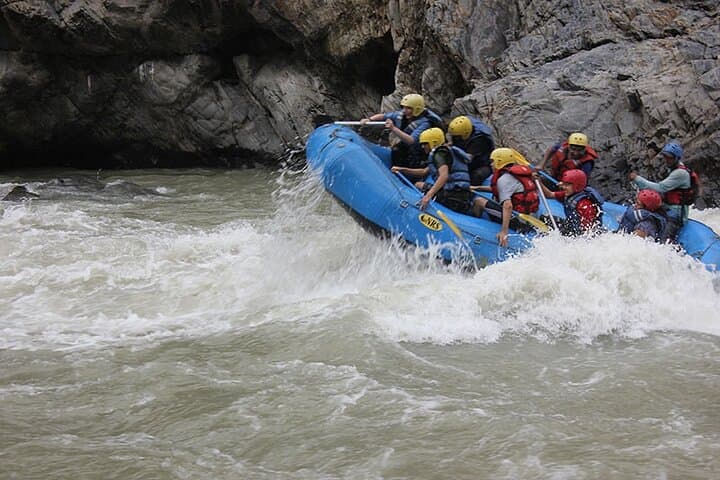
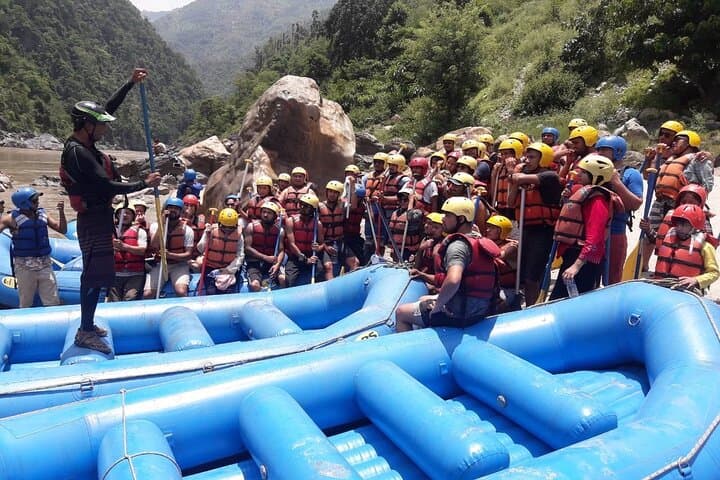
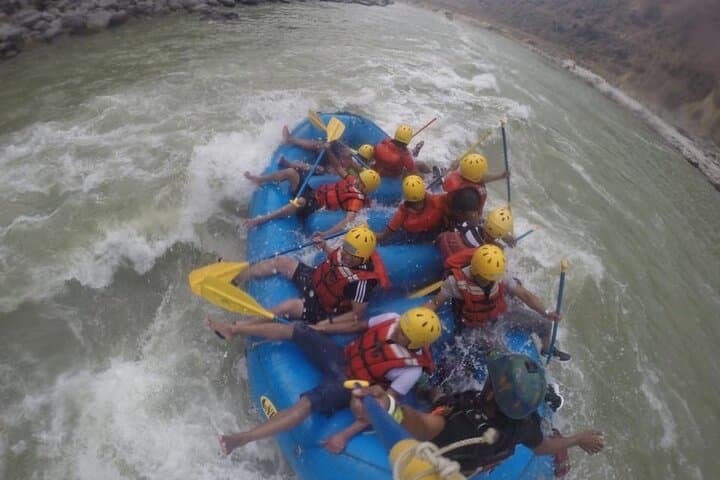
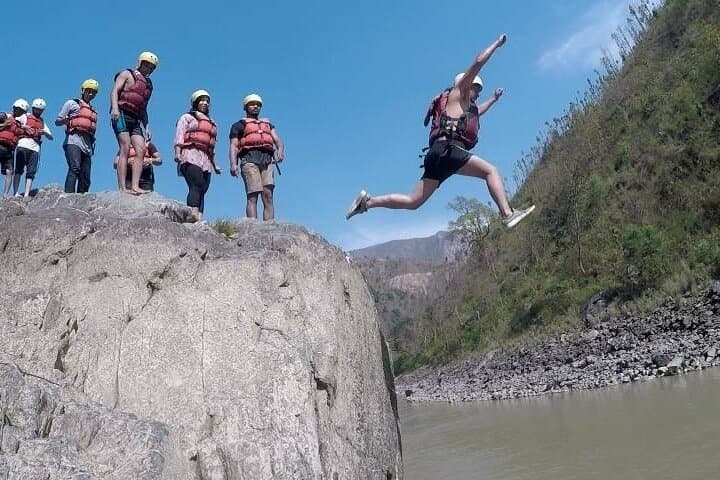
You step out of the Jeep onto a gravel riverbank and the air changes — cooler, damp, threaded with the metallic scent of moving water. The Trishuli narrows ahead, a silver ribbon cutting through slate rock and terraced fields; guides lash life jackets and yell cheerful commands that slice through the river’s roar. For a day, the valley becomes a corridor of motion: splashing oars, shouted calls, and villages that lean forward to watch as the raft bounces through a sequence of rapids.
You step out of the Jeep onto a gravel riverbank and the air changes — cooler, damp, threaded with the metallic scent of moving water. The Trishuli narrows ahead, a silver ribbon cutting through slate rock and terraced fields; guides lash life jackets and yell cheerful commands that slice through the river’s roar. For a day, the valley becomes a corridor of motion: splashing oars, shouted calls, and villages that lean forward to watch as the raft bounces through a sequence of rapids.
Trishuli has been a highway and a lifeline for communities here for centuries. The river’s name refers to the trident of Shiva, a reminder of the spiritual geography that overlays this physical one: temples, prayer flags, and stone steps meet the water where people have fished, washed, and worshipped for generations. Geologically, Trishuli’s rapids are forged where tributaries drop from the Lesser Himalaya, creating steep gradients and rocky constrictions that produce lively Class II–III waves — approachable for newcomers but satisfying for veterans.
Culture rides the riverbank. Small, riverside hamlets display stacked terraces of maize and rice; roadside vendors sell fried fish and pakora at take-out points. Guides are often local, fluent in Nepali and the river’s moods, and their presence is part safety briefing, part living history as they point out old stone bridges and seasonal waterfalls fed by monsoon swells.
Practical essentials: the trip is a full-day excursion from Kathmandu, typically leaving early and returning by late afternoon. Expect hours of scenic driving plus 3–5 hours on the water, depending on put-in and take-out points. Rapids alternate with long calm pools ideal for a swim; lunch is served riverside and usually features local dal, rice, and fresh seasonal greens.
Prepare for sun, spray, and sudden gusts of river wind. Wear quick-dry layers, a secure pair of water shoes, and sunscreen; pack a small dry bag for phone and wallet. Hydrate before you board — the adrenaline appetite is real — and follow guide commands: the safety briefings are concise for a reason.
Who it’s for: travelers with basic fitness, families with older kids, and anyone wanting a low-commitment whitewater day framed by Nepali village life. Safety is managed by professional guides using branded expedition gear; still, this is active travel — you’ll get wet, you’ll paddle, and you’ll carry the unmistakable grin of someone who spent a day challenging a river and found it rewarding.