THE ADVENTURE COLLECTIVE® · Independent discovery and booking for outdoor travel

A compact two-day rafting trip down the Trishuli River from Kathmandu, starting at Charaudi. Expect Class II–III rapids, riverside camping or resort stay, and a driving transfer that frames the Himalayan foothills.
A compact two-day rafting trip down the Trishuli River from Kathmandu, starting at Charaudi. Expect Class II–III rapids, riverside camping or resort stay, and a driving transfer that frames the Himalayan foothills.
The first light over the Trishuli arrives as a cool, impatient voice — the river daring you to cross its surface. Leaving Kathmandu, the road narrows and green walls press closer; by the time you reach Charaudi the river runs loud and bright, churning through rounded boulders and folded valley walls.
Verified experiences and guided adventures in the surrounding area.
Operated by Welcome Nepal Treks P.ltd · Charaudi (Trishuli), Bagmati Province
The first light over the Trishuli arrives as a cool, impatient voice — the river daring you to cross its surface. Leaving Kathmandu, the road narrows and green walls press closer; by the time you reach Charaudi the river runs loud and bright, churning through rounded boulders and folded valley walls.
Trishuli is geologically young, a Himalayan drainage cut through uplifted sedimentary rock, its rapids formed where boulders pin the current. Historically the river has been a trade and transport corridor between Kathmandu and the lowlands; today small riverside farms and resorts mark the corridor, and rafting camps carry on a seasonal tradition of guiding visitors down Class II–III rapids.
Culturally the route skirts Gurung and Newar-influenced villages; stops at river beaches often reveal simple orchards and family-run farms. The seasonality is obvious — low spring flows offer technical paddling in riffles, monsoon swells push higher-class lines, and winter cools the air though the water stays brisk.
Practical guidance: expect two full travel days — a 3–4 hour road transfer each way and roughly 3–6 hours on the water across the itinerary. Bring quick-dry layers, a snug life jacket and helmet (provided), waterproof sun protection, and shoes that won’t slip off. Hydrate before you launch and plan for variable water levels; guides will adjust lines and safety briefings for group ability. If you’re traveling on to Pokhara or Chitwan after the trip, allow extra time for road transfers — decisions are made at Mugling once the raft is out. Respect local farms and carry out trash; the river’s character depends on everyone keeping it clean.
moderate.
2 days (approx. 48 hours total including transfers).
Suitable for people in reasonable physical condition; ability to sit in a raft for hours and follow paddle commands is required.
No — this itinerary is designed for paddlers new to whitewater; guides provide instruction and safety equipment for all skill levels.
Expect primarily Class II–III rapids; flows can be more vigorous during and after the monsoon season.
Yes — the itinerary ends near Mugling where operators commonly arrange onward transfers to Kathmandu, Pokhara, or Chitwan for an additional fee.
Yes — the trip includes one night at a riverside resort or regular tent camping plus breakfast, lunch, and dinner as listed in the itinerary.
Trishuli has long linked the Kathmandu valley with the Nepali lowlands and was an important transport corridor historically; riverside settlements still reflect traditional farming and trade patterns.
Trash from visitors can quickly alter river beaches; operators typically carry out waste and support local river-permit systems — minimize single-use plastics and follow guide instructions.
Welcome Nepal Treks P.ltd operates guided outdoor trips and adventures with an emphasis on safety, stewardship, and memorable experiences.
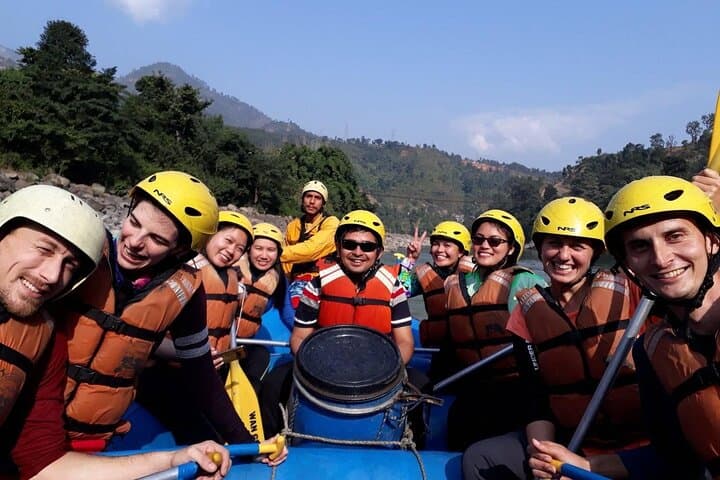
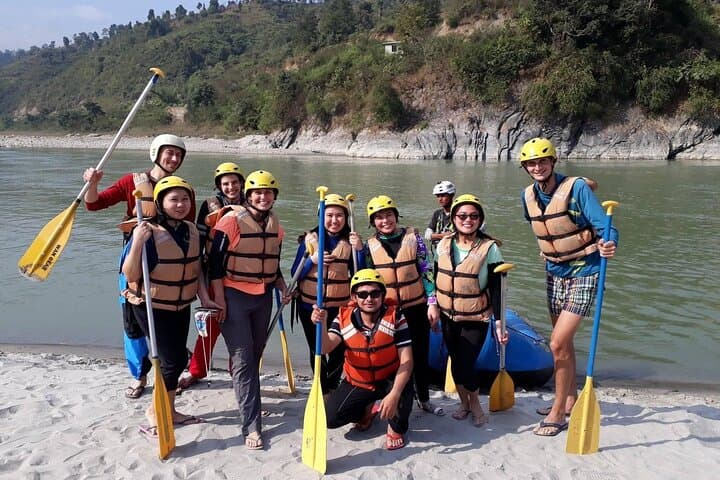
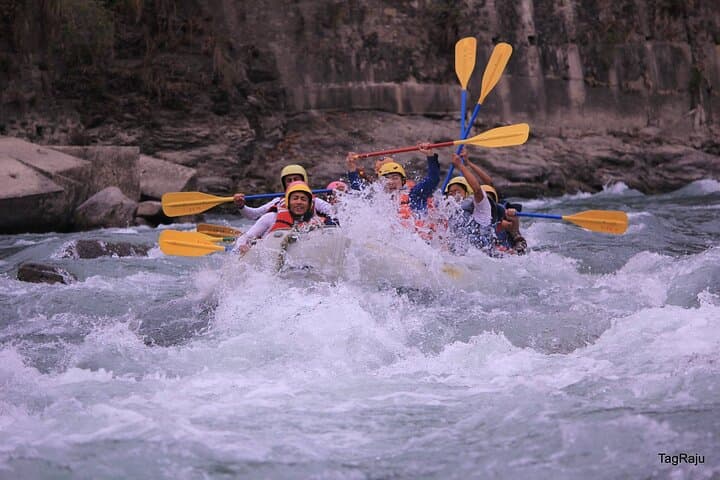
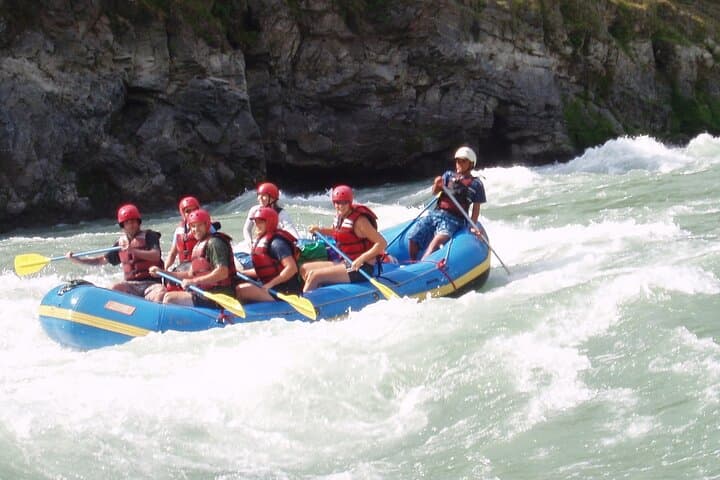
The first light over the Trishuli arrives as a cool, impatient voice — the river daring you to cross its surface. Leaving Kathmandu, the road narrows and green walls press closer; by the time you reach Charaudi the river runs loud and bright, churning through rounded boulders and folded valley walls.
The first light over the Trishuli arrives as a cool, impatient voice — the river daring you to cross its surface. Leaving Kathmandu, the road narrows and green walls press closer; by the time you reach Charaudi the river runs loud and bright, churning through rounded boulders and folded valley walls.
Trishuli is geologically young, a Himalayan drainage cut through uplifted sedimentary rock, its rapids formed where boulders pin the current. Historically the river has been a trade and transport corridor between Kathmandu and the lowlands; today small riverside farms and resorts mark the corridor, and rafting camps carry on a seasonal tradition of guiding visitors down Class II–III rapids.
Culturally the route skirts Gurung and Newar-influenced villages; stops at river beaches often reveal simple orchards and family-run farms. The seasonality is obvious — low spring flows offer technical paddling in riffles, monsoon swells push higher-class lines, and winter cools the air though the water stays brisk.
Practical guidance: expect two full travel days — a 3–4 hour road transfer each way and roughly 3–6 hours on the water across the itinerary. Bring quick-dry layers, a snug life jacket and helmet (provided), waterproof sun protection, and shoes that won’t slip off. Hydrate before you launch and plan for variable water levels; guides will adjust lines and safety briefings for group ability. If you’re traveling on to Pokhara or Chitwan after the trip, allow extra time for road transfers — decisions are made at Mugling once the raft is out. Respect local farms and carry out trash; the river’s character depends on everyone keeping it clean.