THE ADVENTURE COLLECTIVE® · Independent discovery and booking for outdoor travel

Escape Kathmandu for a full-day run on the Trishuli River—short drive, big waves and cliff jumps. This one-day rafting trip pairs accessible Class II–III rapids with village views and a practical, guide-led experience.
Escape Kathmandu for a full-day run on the Trishuli River—short drive, big waves and cliff jumps. This one-day rafting trip pairs accessible Class II–III rapids with village views and a practical, guide-led experience.
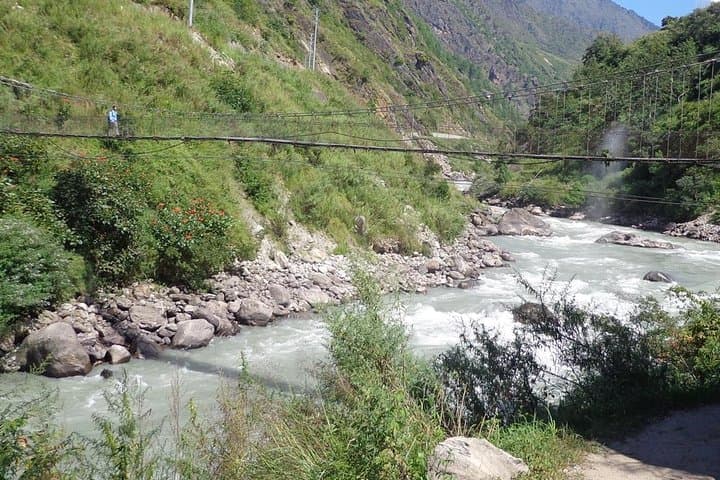
A rutted minivan peels away from Kathmandu and the valley’s noise thins to the rattle of the road and the river below. By midmorning the Prithvi Highway runs shoulder to shoulder with Trishuli River; its water gleams and dares you forward, pushing from steep hillsides into broad, splashy channels.
Verified experiences and guided adventures in the surrounding area.
Operated by Nepal Social Treks and Expedition · Kathmandu, Bagmati Province
A rutted minivan peels away from Kathmandu and the valley’s noise thins to the rattle of the road and the river below. By midmorning the Prithvi Highway runs shoulder to shoulder with Trishuli River; its water gleams and dares you forward, pushing from steep hillsides into broad, splashy channels.
The Trishuli corridor has long been a transit route between Kathmandu and the western plains, carved through young Himalayan foothills. Geologically, the river runs on fractured sedimentary layers—fast-running sections, rock gardens and deeper pools formed where tributaries meet. Local villages along the banks are agricultural and straightforward: terraced fields, small tea stalls and stone houses that mark traditional Newar and Brahmin settlements.
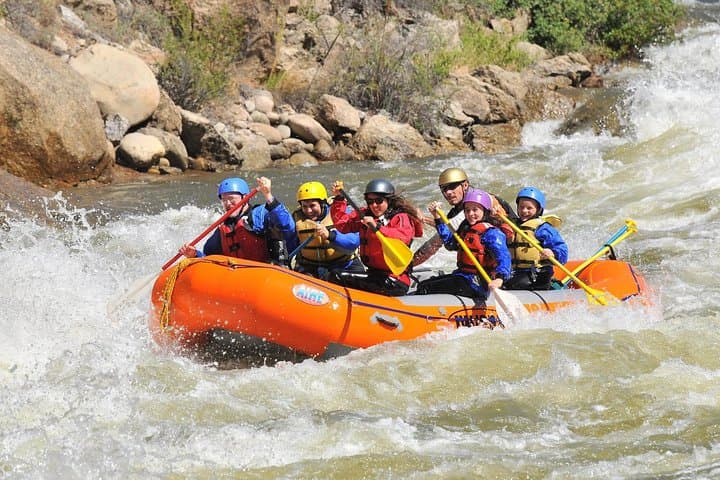
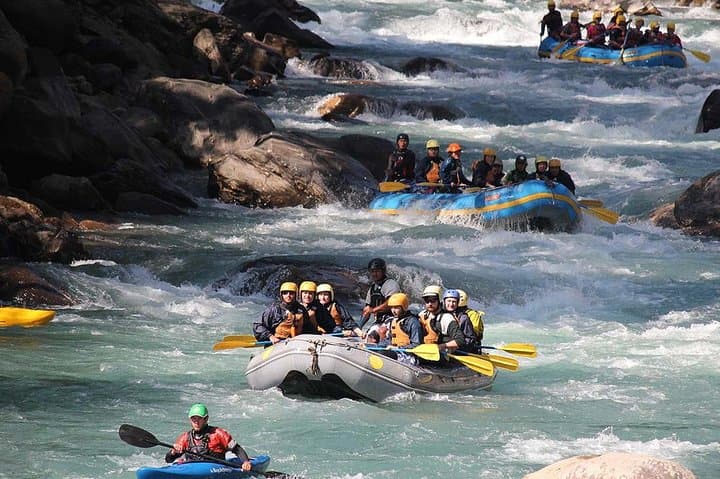
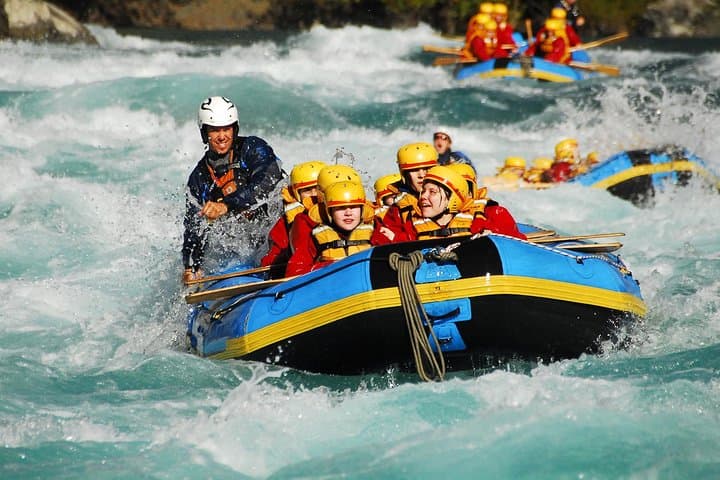
On a typical one-day raft you’ll get a safety briefing and a short practice run before dropping into continuous Class II–III rapids. Expect big, friendly waves and technical eddies that require quick steering and teamwork rather than expert whitewater skills. There are deliberate stops for cliff jumping where the river bulks into plunge pools, and quieter stretches for swimming and photos. Guides run the line; paddling effort is intermittent but sustained when pushing through bigger boils.
Practically: wear secure water shoes, quick-dry clothes and a helmet; bring a small dry bag for your phone and sunscreen. The drive is 1.5–3 hours each way depending on traffic, so plan a full day. Hotel pickup is usually included, and carry ID/passport details for booking. The trip balances adrenaline with accessible rivercraft—ideal for anyone seeking a single-day river experience near Kathmandu.
moderate.
6–8 hours (full day including transport).
Moderate fitness—able to paddle, balance and climb in/out of the raft; must be comfortable in moving water.
The Trishuli section run on this trip is primarily Class II–III—playful waves and technical sections suitable for beginners with guide support.
Yes—most operators include hotel pickup and drop-off from Kathmandu; expect a 1.5–3 hour drive each way depending on traffic.
Many operators accept older children who are comfortable in water; age limits vary—check with the provider when booking.
No—cliff jumps are optional and guided; instructors check depth and safety, but participants should only jump if they’re confident swimmers.
The Trishuli corridor has long served as a trade and transit route out of Kathmandu, with settlements that grew alongside the river and highway trade in the 20th century.
River health is sensitive to local waste and seasonal runoff; choose operators that practice Leave No Trace and avoid leaving plastic at riverside stops.
Nepal Social Treks and Expedition operates guided outdoor trips and adventures with an emphasis on safety, stewardship, and memorable experiences.
A rutted minivan peels away from Kathmandu and the valley’s noise thins to the rattle of the road and the river below. By midmorning the Prithvi Highway runs shoulder to shoulder with Trishuli River; its water gleams and dares you forward, pushing from steep hillsides into broad, splashy channels.
A rutted minivan peels away from Kathmandu and the valley’s noise thins to the rattle of the road and the river below. By midmorning the Prithvi Highway runs shoulder to shoulder with Trishuli River; its water gleams and dares you forward, pushing from steep hillsides into broad, splashy channels.
The Trishuli corridor has long been a transit route between Kathmandu and the western plains, carved through young Himalayan foothills. Geologically, the river runs on fractured sedimentary layers—fast-running sections, rock gardens and deeper pools formed where tributaries meet. Local villages along the banks are agricultural and straightforward: terraced fields, small tea stalls and stone houses that mark traditional Newar and Brahmin settlements.
On a typical one-day raft you’ll get a safety briefing and a short practice run before dropping into continuous Class II–III rapids. Expect big, friendly waves and technical eddies that require quick steering and teamwork rather than expert whitewater skills. There are deliberate stops for cliff jumping where the river bulks into plunge pools, and quieter stretches for swimming and photos. Guides run the line; paddling effort is intermittent but sustained when pushing through bigger boils.
Practically: wear secure water shoes, quick-dry clothes and a helmet; bring a small dry bag for your phone and sunscreen. The drive is 1.5–3 hours each way depending on traffic, so plan a full day. Hotel pickup is usually included, and carry ID/passport details for booking. The trip balances adrenaline with accessible rivercraft—ideal for anyone seeking a single-day river experience near Kathmandu.