THE ADVENTURE COLLECTIVE® · Independent discovery and booking for outdoor travel

Run accessible, scenic whitewater on a full-day rafting trip from Kathmandu down the Trishuli River. Expect Class II–III rapids, riverside lunch, and changing flows driven by the seasons.
Run accessible, scenic whitewater on a full-day rafting trip from Kathmandu down the Trishuli River. Expect Class II–III rapids, riverside lunch, and changing flows driven by the seasons.
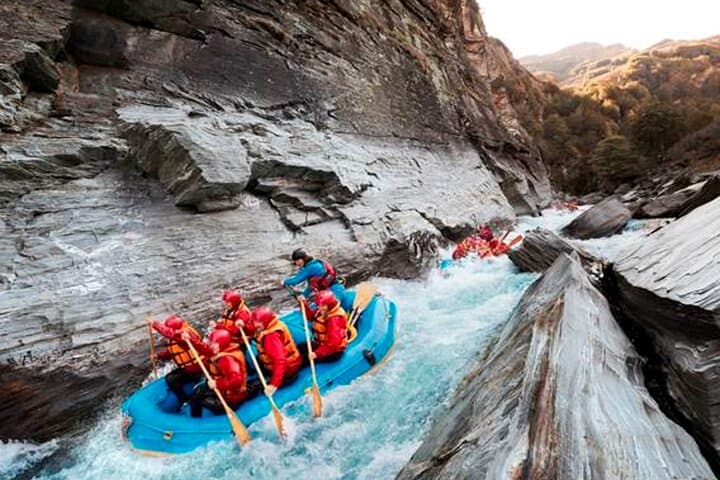
You step from the minivan onto the riverbank and the Trishuli announces itself: cool, fast water threading a rocky gorge, and a sky that feels closer than in the Kathmandu valley.
Verified experiences and guided adventures in the surrounding area.
Operated by Himalayan Social Journey · Kathmandu, Bagmati Province
You step from the minivan onto the riverbank and the Trishuli announces itself: cool, fast water threading a rocky gorge, and a sky that feels closer than in the Kathmandu valley.
Trishuli has been a trade and travel corridor for centuries; rivers carved through uplifted foothills after Himalayan uplift and seasonal snowmelt. The river’s bed is a mix of rounded boulders and gravel bars, and along some bends forested slopes lean in close, offering shade and the occasional flutter of local birdlife. Villages nearby reflect Newar and hill-caste cultures—small tea shops, prayer flags at crossroads, and terraces clinging to the hills.
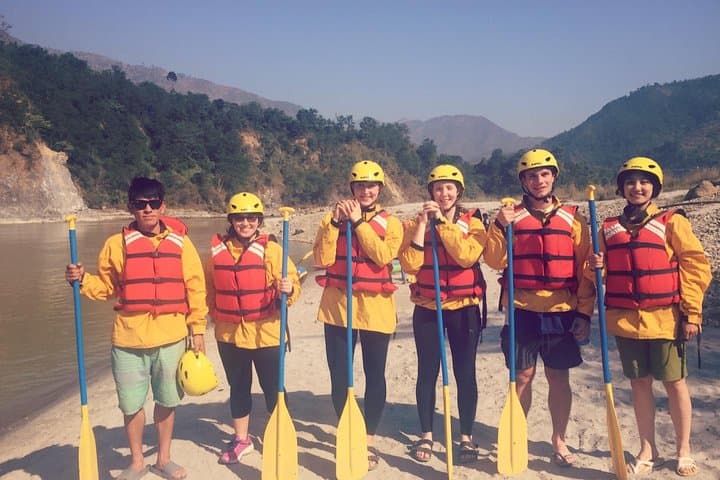
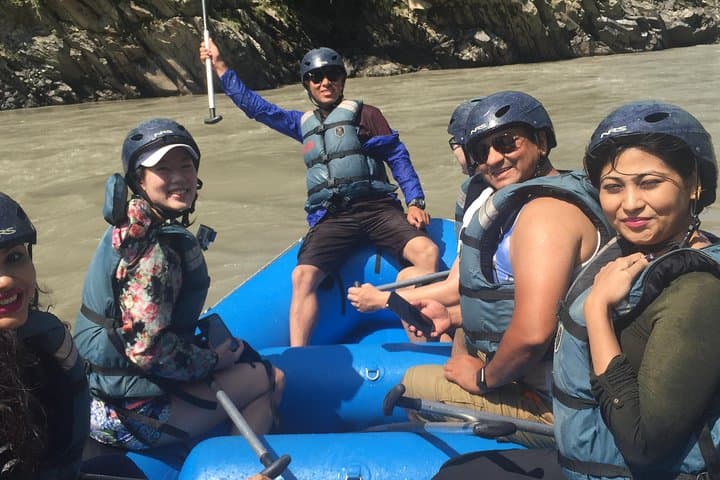
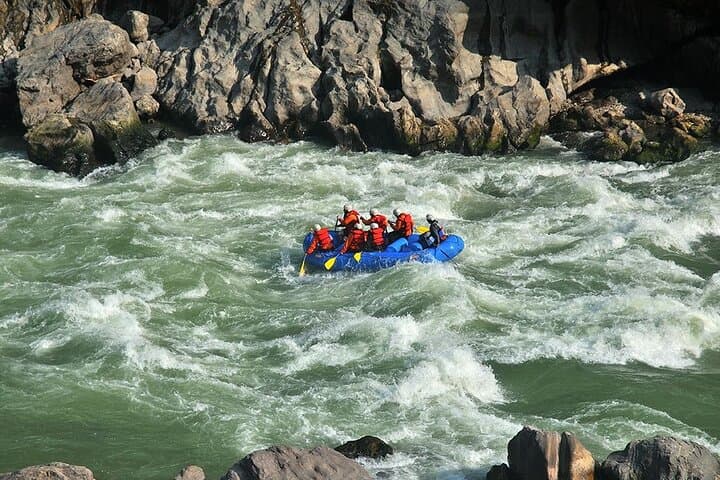
On a typical day trip from Kathmandu you'll run continuous Class II–III rapids with a few punchy waves that make for playful, accessible whitewater. Guides use ISO/CE-certified rafts, PFDs and helmets, and safety kayakers are common on busier days. Water levels fluctuate with the monsoon: late spring and early monsoon bring higher flows and bigger waves, while winter and early spring are calmer and clearer.
Practical guidance: arrive hydrated and ready to move; a light breakfast, quick warm-up, and waterproof layers matter. Footwear should grip in wet conditions—old trainers or river sandals with toe protection are useful. Expect a full day with river time punctuated by a riverside lunch at a local resort. Follow guides’ safety briefings, and if you’re new to paddling, relax and row on command—the current does a lot of the work.
moderate.
6–8 hours.
Moderate fitness—able to sit and paddle for short bursts, climb in/out of boats, and follow safety instructions
Typical pickup and drive time is about 2.5–3 hours each way depending on traffic and road conditions.
Most commercial Trishuli runs are Class II–III—playful and accessible for beginners with a guide; flows rise seasonally producing bigger waves.
Age limits vary by operator; most require competent children aged 10+ and parental discretion—check the operator’s policy.
No—these day trips cater to beginners; guides provide instruction and safety support including rescue kayakers.
Trishuli sits on old trade routes linking Kathmandu’s valleys to the lowlands; rivers shaped village locations and seasonal irrigation systems.
Respect riverbanks and local waste rules; many operators support river-cleanup initiatives—avoid single-use plastics and follow guide instructions to minimize impact.
Himalayan Social Journey operates guided outdoor trips and adventures with an emphasis on safety, stewardship, and memorable experiences.
You step from the minivan onto the riverbank and the Trishuli announces itself: cool, fast water threading a rocky gorge, and a sky that feels closer than in the Kathmandu valley.
You step from the minivan onto the riverbank and the Trishuli announces itself: cool, fast water threading a rocky gorge, and a sky that feels closer than in the Kathmandu valley.
Trishuli has been a trade and travel corridor for centuries; rivers carved through uplifted foothills after Himalayan uplift and seasonal snowmelt. The river’s bed is a mix of rounded boulders and gravel bars, and along some bends forested slopes lean in close, offering shade and the occasional flutter of local birdlife. Villages nearby reflect Newar and hill-caste cultures—small tea shops, prayer flags at crossroads, and terraces clinging to the hills.
On a typical day trip from Kathmandu you'll run continuous Class II–III rapids with a few punchy waves that make for playful, accessible whitewater. Guides use ISO/CE-certified rafts, PFDs and helmets, and safety kayakers are common on busier days. Water levels fluctuate with the monsoon: late spring and early monsoon bring higher flows and bigger waves, while winter and early spring are calmer and clearer.
Practical guidance: arrive hydrated and ready to move; a light breakfast, quick warm-up, and waterproof layers matter. Footwear should grip in wet conditions—old trainers or river sandals with toe protection are useful. Expect a full day with river time punctuated by a riverside lunch at a local resort. Follow guides’ safety briefings, and if you’re new to paddling, relax and row on command—the current does a lot of the work.