THE ADVENTURE COLLECTIVE® · Independent discovery and booking for outdoor travel

Float, paddle and punch through Class III–IV rapids on a full-day Trishuli River run from Kathmandu. Expect a scenic three-hour drive, two hours on whitewater, and a riverside lunch — perfect for adventurous travelers with reasonable fitness.
Float, paddle and punch through Class III–IV rapids on a full-day Trishuli River run from Kathmandu. Expect a scenic three-hour drive, two hours on whitewater, and a riverside lunch — perfect for adventurous travelers with reasonable fitness.
The engine eases off Prithvi Highway and the valley opens: green hills stepping down to a fast ribbon of water. By midmorning the Trishuli River has you on a rubber raft, guide calling commands while eddies and waves test your timing. The river pushes and pares; small drops break into spray and the current dares you forward.
Verified experiences and guided adventures in the surrounding area.
Operated by Walk Mountain Pvt Ltd. · Kathmandu, Bagmati Province
The engine eases off Prithvi Highway and the valley opens: green hills stepping down to a fast ribbon of water. By midmorning the Trishuli River has you on a rubber raft, guide calling commands while eddies and waves test your timing. The river pushes and pares; small drops break into spray and the current dares you forward.
Trishuli has long been a conduit between Kathmandu and the western lowlands — its gorges carved from young Himalayan geology, river-worn boulders bearing pale bands of sediment. Local villages line the road with terraced fields and bright prayer flags; the river corridor has supported trade and seasonal movement for generations, and rafting is a recent addition to that working landscape.
Expect about three hours’ drive each way from Kathmandu along the scenic Prithvi Highway, two hours on Class III–IV rapids (season and water level change difficulty), and a packed or buffet lunch on the sandy bank near Fishling. Terrain is mixed: paved road to put-in, then rocky river entrances and flat gravel bars at lunch points. Guides provide paddles, helmets and PFDs and brief safety instruction before launch.
Practical tips: go early to avoid afternoon heat and higher monsoon flows; bring a dry bag and proper footwear; inform operators of any medical limits — minimum age is often 15. Hydrate, listen to your guide, and prepare for a long day with comfortable clothing for both a river run and a three-hour round drive back to Kathmandu.
moderate.
9–10 hours.
Good aerobic fitness recommended — ability to paddle actively for sustained bursts and handle quick shifts of balance.
Most operators set a minimum age of 15 for Class III–IV runs; check with the provider for exemptions or family-friendly sections.
Expect roughly a three-hour drive each way on Prithvi Highway, depending on traffic and stops.
This tour includes round-trip private transfer and a buffet or packed lunch at the riverbank; confirm dietary needs at booking.
Yes—on guided Class III–IV trips, trained guides provide instruction and safety gear; however, good fitness and no serious heart or back conditions are required.
The Trishuli corridor has served as a trade and transit route for centuries; modern rafting emerged in the late 20th century as adventure tourism grew in Nepal.
River health depends on responsible waste management and regulated put-in points — choose operators who follow leave-no-trace and limit riverbank litter.
Walk Mountain Pvt Ltd. operates guided outdoor trips and adventures with an emphasis on safety, stewardship, and memorable experiences.
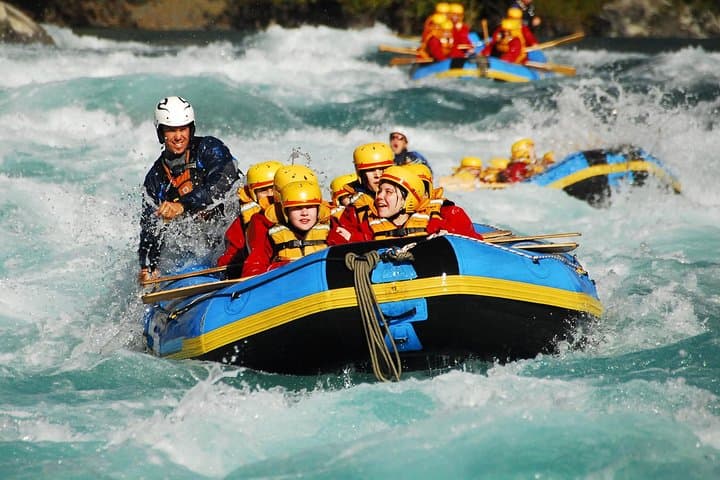
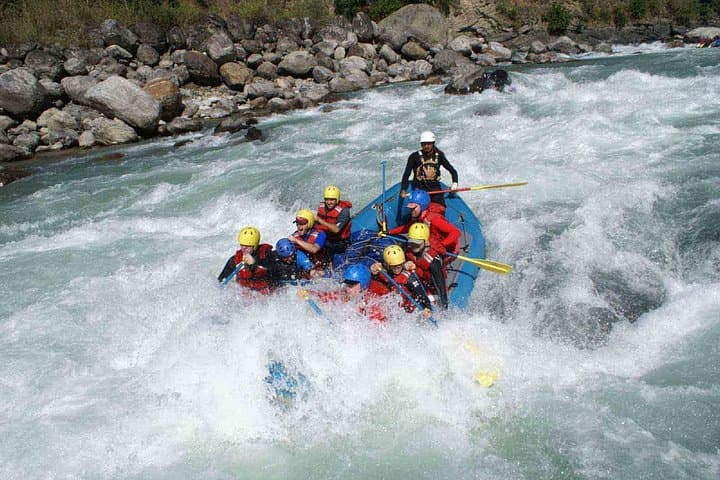
The engine eases off Prithvi Highway and the valley opens: green hills stepping down to a fast ribbon of water. By midmorning the Trishuli River has you on a rubber raft, guide calling commands while eddies and waves test your timing. The river pushes and pares; small drops break into spray and the current dares you forward.
The engine eases off Prithvi Highway and the valley opens: green hills stepping down to a fast ribbon of water. By midmorning the Trishuli River has you on a rubber raft, guide calling commands while eddies and waves test your timing. The river pushes and pares; small drops break into spray and the current dares you forward.
Trishuli has long been a conduit between Kathmandu and the western lowlands — its gorges carved from young Himalayan geology, river-worn boulders bearing pale bands of sediment. Local villages line the road with terraced fields and bright prayer flags; the river corridor has supported trade and seasonal movement for generations, and rafting is a recent addition to that working landscape.
Expect about three hours’ drive each way from Kathmandu along the scenic Prithvi Highway, two hours on Class III–IV rapids (season and water level change difficulty), and a packed or buffet lunch on the sandy bank near Fishling. Terrain is mixed: paved road to put-in, then rocky river entrances and flat gravel bars at lunch points. Guides provide paddles, helmets and PFDs and brief safety instruction before launch.
Practical tips: go early to avoid afternoon heat and higher monsoon flows; bring a dry bag and proper footwear; inform operators of any medical limits — minimum age is often 15. Hydrate, listen to your guide, and prepare for a long day with comfortable clothing for both a river run and a three-hour round drive back to Kathmandu.