THE ADVENTURE COLLECTIVE® · Independent discovery and booking for outdoor travel

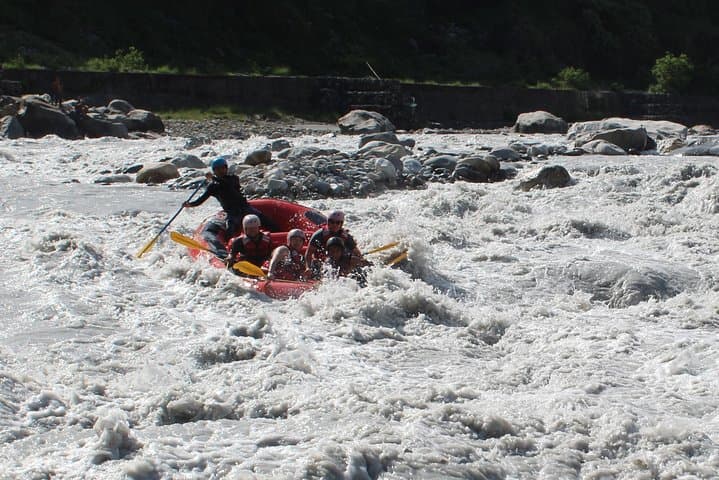
A full-day whitewater run on the Trishuli River offers accessible Class II–III rapids, riverside beaches and optional cliff jumps between Pokhara and Kathmandu. Expect guided paddling, vehicle transfers and a mix of calm stretches and playful rapids.
A full-day whitewater run on the Trishuli River offers accessible Class II–III rapids, riverside beaches and optional cliff jumps between Pokhara and Kathmandu. Expect guided paddling, vehicle transfers and a mix of calm stretches and playful rapids.
A sharp slap of spray and the river’s breath wake you before the road has finished slipping away. Rafts hollow and rise on Trishuli’s braided current; rock gardens push playfully at oars while narrow gorges and sandy beaches alternate like chapters. By late morning the valley opens — terraced fields and riverside villages watching the stream’s traffic.
Verified experiences and guided adventures in the surrounding area.
Operated by Rafting Adventure Nepal · Mugling, Bagmati Province
A sharp slap of spray and the river’s breath wake you before the road has finished slipping away. Rafts hollow and rise on Trishuli’s braided current; rock gardens push playfully at oars while narrow gorges and sandy beaches alternate like chapters. By late morning the valley opens — terraced fields and riverside villages watching the stream’s traffic.
Trishuli has been a transport corridor for centuries, carved where the Himalaya’s foothills shed their load of boulders and silt. The river’s gradient through the popular day-run produces Class II–III rapids on a rocky bed of greywacke and conglomerate; seasonal monsoon flows enlarge the waves and narrow the lines. Local communities around Mugling and Kurintar make a living from river transport, agriculture and the steady trickle of adventure tourism.
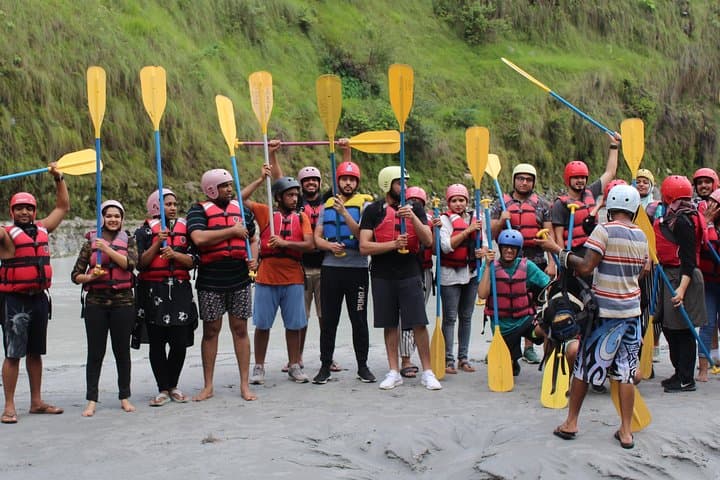
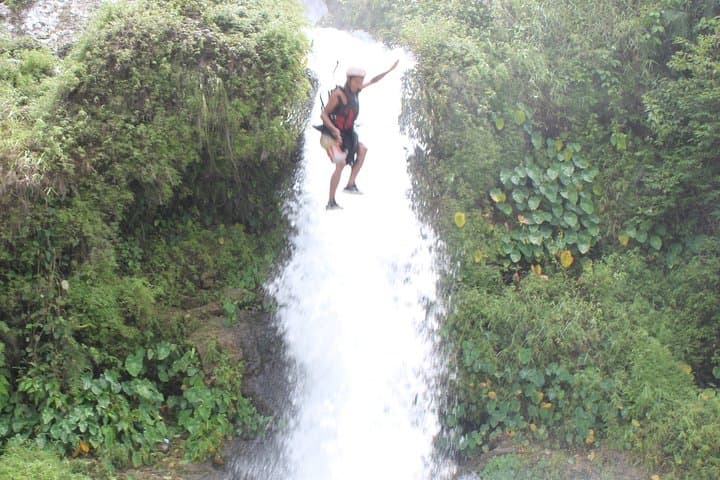
On a typical one-day commercial run visitors can expect guided paddling, assisted swims, optional cliff jumps and time to relax on sandstone beaches for photos and snacks. Operators usually include round-trip transport from nearby towns, bottled water and basic snacks; fishing is possible if you bring your own rod.
Practical planning: go with a guide, carry a lightweight dry bag for phone and warm layer, and wear secure footwear that can get wet. Morning departures take advantage of lower winds and calmer flatwater stretches; mid-monsoon (June–September) increases rapid size and requires competent paddling. This route suits travelers with moderate fitness looking for an accessible whitewater day that fits between Pokhara and Kathmandu travel schedules.
moderate.
6–10 hours (door-to-door).
Moderate — able to paddle for stretches, handle short swims, and climb on/off boats and riverbanks
No. Commercial Trishuli day runs are guided and suitable for first-timers with moderate fitness; guides coach paddling and safety procedures.
Late autumn through spring (October–May) offers predictable flows and milder weather; monsoon (June–September) raises difficulty and river level.
Most operators offer private or shared transfers from nearby cities; confirm pickup points and door-to-door times when booking.
Cliff jumping is often available at supervised spots; fishing is possible but you should bring your own rod and check local rules.
Trishuli’s valley has long linked the Kathmandu Valley with western Nepal; merchants and pilgrims have followed these river corridors for centuries.
River health depends on responsible waste management and limiting single-use plastics; choose operators who practice leave-no-trace and use biodegradable packaging.
Rafting Adventure Nepal operates guided outdoor trips and adventures with an emphasis on safety, stewardship, and memorable experiences.
A sharp slap of spray and the river’s breath wake you before the road has finished slipping away. Rafts hollow and rise on Trishuli’s braided current; rock gardens push playfully at oars while narrow gorges and sandy beaches alternate like chapters. By late morning the valley opens — terraced fields and riverside villages watching the stream’s traffic.
A sharp slap of spray and the river’s breath wake you before the road has finished slipping away. Rafts hollow and rise on Trishuli’s braided current; rock gardens push playfully at oars while narrow gorges and sandy beaches alternate like chapters. By late morning the valley opens — terraced fields and riverside villages watching the stream’s traffic.
Trishuli has been a transport corridor for centuries, carved where the Himalaya’s foothills shed their load of boulders and silt. The river’s gradient through the popular day-run produces Class II–III rapids on a rocky bed of greywacke and conglomerate; seasonal monsoon flows enlarge the waves and narrow the lines. Local communities around Mugling and Kurintar make a living from river transport, agriculture and the steady trickle of adventure tourism.
On a typical one-day commercial run visitors can expect guided paddling, assisted swims, optional cliff jumps and time to relax on sandstone beaches for photos and snacks. Operators usually include round-trip transport from nearby towns, bottled water and basic snacks; fishing is possible if you bring your own rod.
Practical planning: go with a guide, carry a lightweight dry bag for phone and warm layer, and wear secure footwear that can get wet. Morning departures take advantage of lower winds and calmer flatwater stretches; mid-monsoon (June–September) increases rapid size and requires competent paddling. This route suits travelers with moderate fitness looking for an accessible whitewater day that fits between Pokhara and Kathmandu travel schedules.