THE ADVENTURE COLLECTIVE® · Independent discovery and booking for outdoor travel

Walk Tripoli’s fortresses, souks, and seaside corniche on a private guided tour that blends medieval architecture, living markets, and coastal views. Ideal for travelers who want focused cultural exploration with flexible timing.
Walk Tripoli’s fortresses, souks, and seaside corniche on a private guided tour that blends medieval architecture, living markets, and coastal views. Ideal for travelers who want focused cultural exploration with flexible timing.
Morning light finds you on a stone stair above the old harbor, the Mediterranean nudging the corniche as fishermen mend nets below. The city opens in layers: a compact castle on a ridge, tight souk alleys humming with vendors, and the sea pulling the day toward the islands off the coast.
Verified experiences and guided adventures in the surrounding area.
Operated by PHOENIX TOURS · Tripoli, North Governorate
Morning light finds you on a stone stair above the old harbor, the Mediterranean nudging the corniche as fishermen mend nets below. The city opens in layers: a compact castle on a ridge, tight souk alleys humming with vendors, and the sea pulling the day toward the islands off the coast.
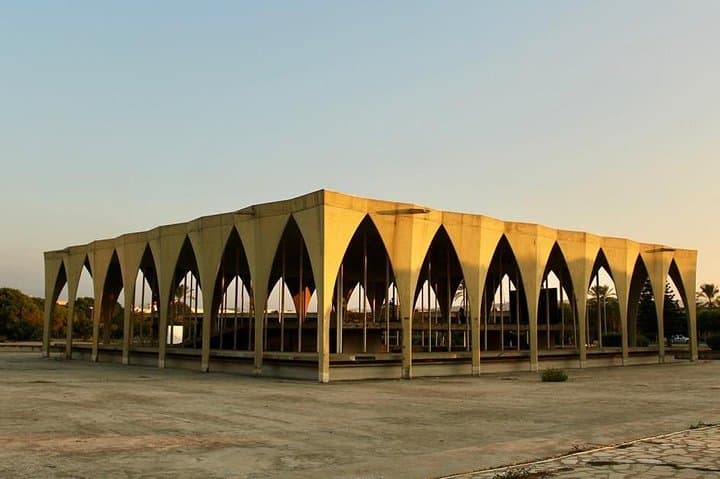
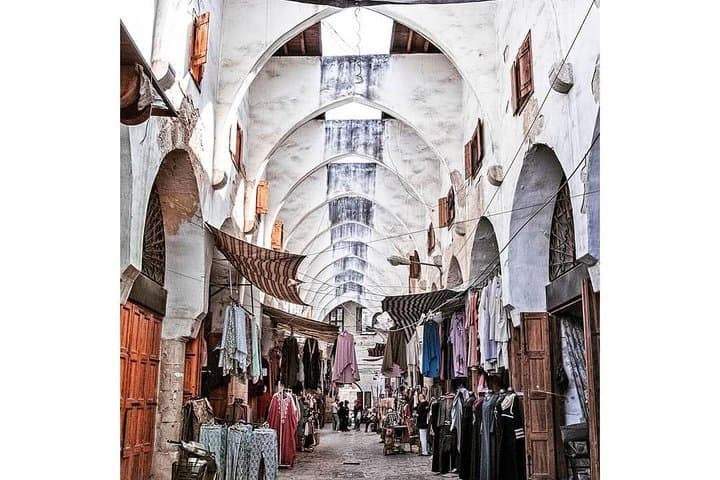
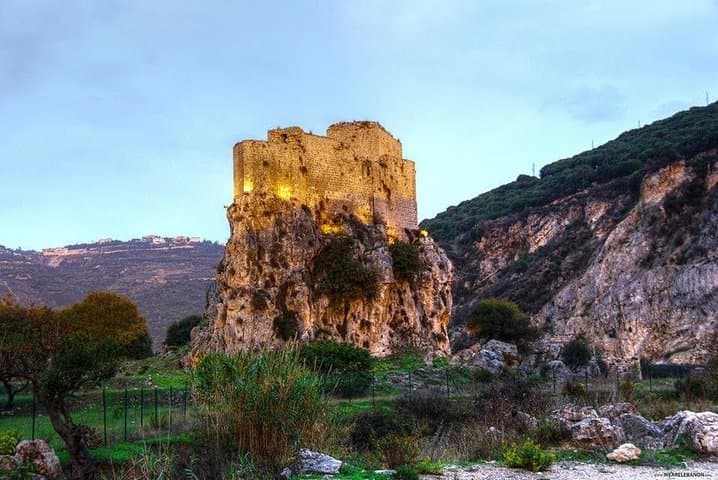
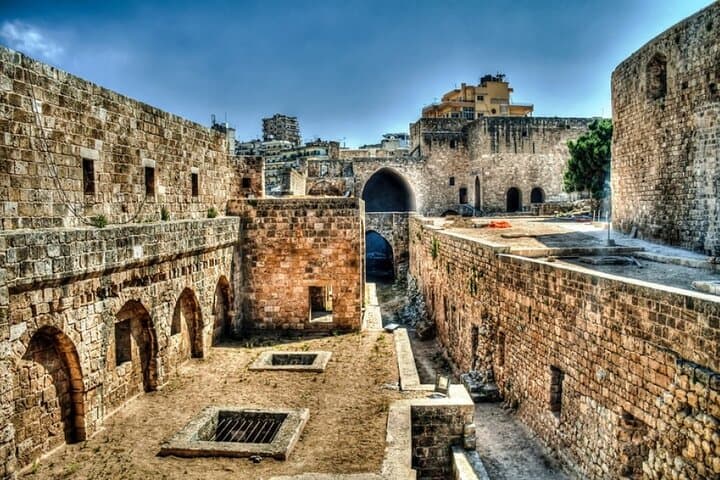
This private tour moves from Mseilha Fort — a medieval outpost perched on limestone above Nahr el-Jawz — to the Mamluk-era Tripoli Castle, whose rebuilt walls still map centuries of conflict and trade. In the old souk, markets divide by craft: goldsmiths’ alleys, food stalls, and perfumers’ shops that follow traditions handed down through Ottoman and Ottoman-era urban patterns. The Soap Museum and nearby hammams speak to Tripoli’s long role in Levantine production and bathing culture; locally made olive-oil soaps have been traded here for generations.
Geology is visible in the limestone outcrops and narrow ravines that shaped settlement; culture shows in courtyard mosques and the cadence of bargaining. On the corniche the sea claims its place, and you can watch Palm and Rabbit Islands sit like low blue punctuation offshore.
Practical guidance: wear sturdy walking shoes for cobbles and uneven steps, carry water and sun protection, and plan for an adaptable schedule — the tour can be a tight 1-hour transfer visit or a full-day exploration (up to seven hours). Bring small bills for souk purchases, and leave room for a fish lunch by the water. Expect moderate walking, frequent stops, and easy access to an air-conditioned vehicle should you need to rest.
easy.
1–7 hours.
Suitable for travelers in casual walking fitness; must be able to manage several flights of stairs and uneven cobbles.
The tour is flexible — it can run as a short 60-minute stop or a full-day (up to seven hours) private itinerary depending on your interests.
Yes — the route is rated easy, but expect stairs and cobbles; private transport and rest stops make it manageable for mixed-age groups.
Admission to most outdoor viewpoints is included in the visit, but specific museum or internal site entry fees may not be covered — confirm when booking.
Yes — operators typically offer pick-up from Beirut and nearby locations; confirm your preferred pickup point at booking.
Tripoli’s current urban fabric reflects Mamluk rebuilding after the 13th century; earlier Crusader elements remain in burial markers and foundation stones.
Coastal erosion and urban development pressure historic waterfronts; support local businesses and avoid touching fragile masonry to help preserve sites.
PHOENIX TOURS operates guided outdoor trips and adventures with an emphasis on safety, stewardship, and memorable experiences.
Morning light finds you on a stone stair above the old harbor, the Mediterranean nudging the corniche as fishermen mend nets below. The city opens in layers: a compact castle on a ridge, tight souk alleys humming with vendors, and the sea pulling the day toward the islands off the coast.
Morning light finds you on a stone stair above the old harbor, the Mediterranean nudging the corniche as fishermen mend nets below. The city opens in layers: a compact castle on a ridge, tight souk alleys humming with vendors, and the sea pulling the day toward the islands off the coast.
This private tour moves from Mseilha Fort — a medieval outpost perched on limestone above Nahr el-Jawz — to the Mamluk-era Tripoli Castle, whose rebuilt walls still map centuries of conflict and trade. In the old souk, markets divide by craft: goldsmiths’ alleys, food stalls, and perfumers’ shops that follow traditions handed down through Ottoman and Ottoman-era urban patterns. The Soap Museum and nearby hammams speak to Tripoli’s long role in Levantine production and bathing culture; locally made olive-oil soaps have been traded here for generations.
Geology is visible in the limestone outcrops and narrow ravines that shaped settlement; culture shows in courtyard mosques and the cadence of bargaining. On the corniche the sea claims its place, and you can watch Palm and Rabbit Islands sit like low blue punctuation offshore.
Practical guidance: wear sturdy walking shoes for cobbles and uneven steps, carry water and sun protection, and plan for an adaptable schedule — the tour can be a tight 1-hour transfer visit or a full-day exploration (up to seven hours). Bring small bills for souk purchases, and leave room for a fish lunch by the water. Expect moderate walking, frequent stops, and easy access to an air-conditioned vehicle should you need to rest.