THE ADVENTURE COLLECTIVE® · Independent discovery and booking for outdoor travel

Walk the historic squares and cobbled paths of Ireland’s oldest university with student guides who layer campus lore, architecture, and local conservation efforts into a crisp 45-minute tour. Expect accessible routes, vivid storytelling, and no Book of Kells access included.
Walk the historic squares and cobbled paths of Ireland’s oldest university with student guides who layer campus lore, architecture, and local conservation efforts into a crisp 45-minute tour. Expect accessible routes, vivid storytelling, and no Book of Kells access included.
Stepping into Front Square, the air holds the measured echo of footsteps on worn flagstones and the low murmur of students between classes. The campanile marks a central spine; guides—often current students or alumni—lead small groups through a compact 47-acre campus where Georgian facades meet Victorian ornamentation and pockets of green invite a slower pace.
Verified experiences and guided adventures in the surrounding area.
Operated by Trinity Trails: Guided tour of Trinity College campus · Dublin, Dublin
Stepping into Front Square, the air holds the measured echo of footsteps on worn flagstones and the low murmur of students between classes. The campanile marks a central spine; guides—often current students or alumni—lead small groups through a compact 47-acre campus where Georgian facades meet Victorian ornamentation and pockets of green invite a slower pace.
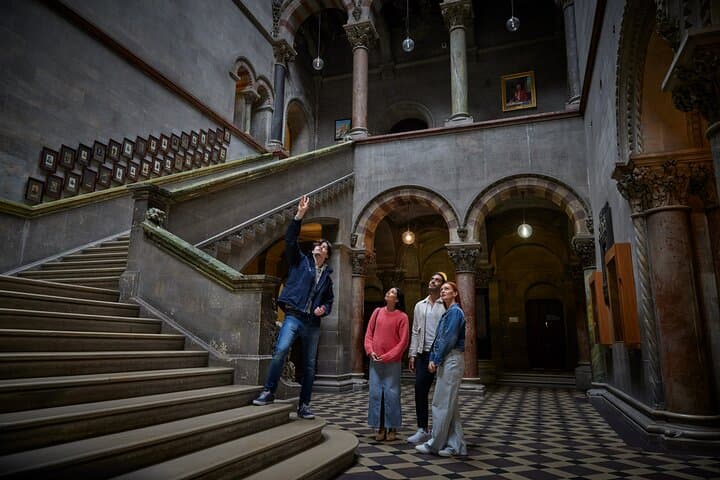
Founded in 1592 by Queen Elizabeth I, Trinity College is Ireland’s oldest university. Its buildings trace centuries of architectural shifts: elegant 18th-century fronts open onto quadrangles, while the Museum Building’s Victorian stonework and carved interiors speak to the college’s 19th-century expansion. The tour weaves institutional history with local culture—stories of literary figures, debating societies, and the academic rivalries that shaped Dublin’s public life.
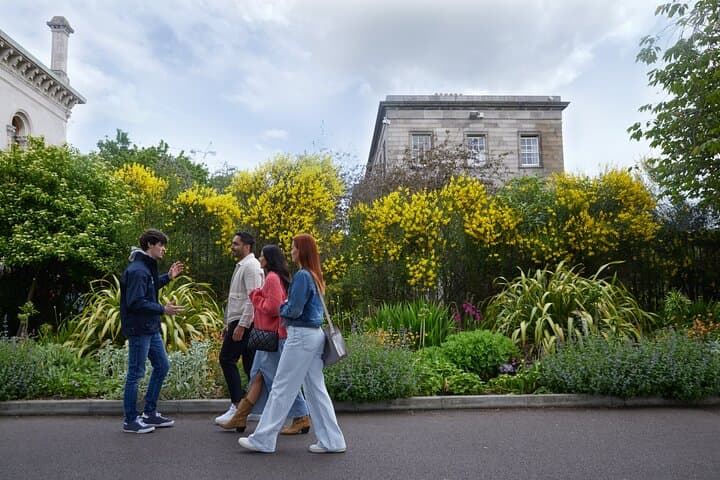
Beneath the stone, Dublin’s limestone plain gives way to modest, man-made topography—courtyards, clipped lawns and planted borders that support nesting birds and urban pollinators. Guides point out conservation efforts on campus and highlight native plantings that sustain bees through the seasons.
Practically, the 45-minute walking tour is short, accessible, and low-effort: expect paved paths, intermittent stairs, and standing-room storytelling. It does not include the Book of Kells or the Old Library; those require separate tickets. Best times are morning or late afternoon to avoid peak tour groups and to see the light shift across Front Square. Wear comfortable shoes, bring a light rain layer (Dublin weather is famously changeable), and allow another hour afterward if you plan to explore the Museum Building or the Science Gallery nearby.
easy.
45 minutes.
Suitable for most fitness levels; involves short periods of standing and walking on paved surfaces
The guided walking tour runs approximately 45 minutes and covers Front Square and the Museum Building interior areas noted in the itinerary.
No—this tour does not include access to the Book of Kells or the Old Library; those require separate admission and timed tickets.
Yes. The route uses paved surfaces and is listed as wheelchair and stroller accessible; notify the operator of accessibility needs when booking.
Tours are conducted in English; guides are typically current students or alumni.
Trinity College was established in 1592 under a royal charter from Elizabeth I and grew through the 18th and 19th centuries into Ireland’s most historic university.
Trinity manages planted borders and green spaces to support nesting birds and pollinators; visitors are asked to stay on paths and avoid disturbing planted areas.
Trinity Trails: Guided tour of Trinity College campus operates guided outdoor trips and adventures with an emphasis on safety, stewardship, and memorable experiences.
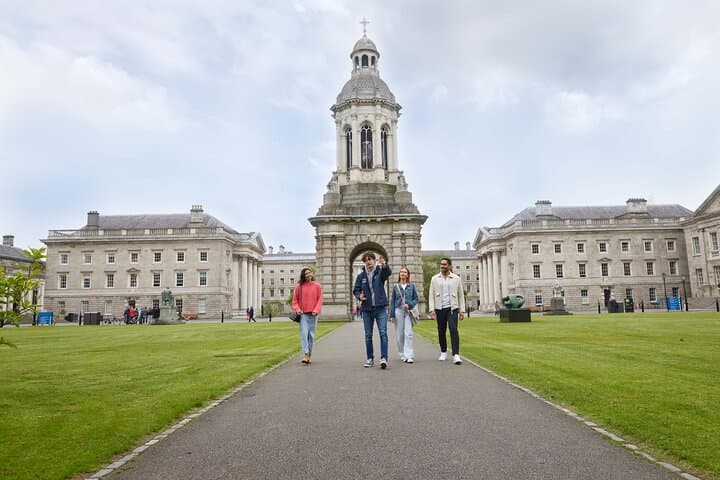

Stepping into Front Square, the air holds the measured echo of footsteps on worn flagstones and the low murmur of students between classes. The campanile marks a central spine; guides—often current students or alumni—lead small groups through a compact 47-acre campus where Georgian facades meet Victorian ornamentation and pockets of green invite a slower pace.
Stepping into Front Square, the air holds the measured echo of footsteps on worn flagstones and the low murmur of students between classes. The campanile marks a central spine; guides—often current students or alumni—lead small groups through a compact 47-acre campus where Georgian facades meet Victorian ornamentation and pockets of green invite a slower pace.
Founded in 1592 by Queen Elizabeth I, Trinity College is Ireland’s oldest university. Its buildings trace centuries of architectural shifts: elegant 18th-century fronts open onto quadrangles, while the Museum Building’s Victorian stonework and carved interiors speak to the college’s 19th-century expansion. The tour weaves institutional history with local culture—stories of literary figures, debating societies, and the academic rivalries that shaped Dublin’s public life.
Beneath the stone, Dublin’s limestone plain gives way to modest, man-made topography—courtyards, clipped lawns and planted borders that support nesting birds and urban pollinators. Guides point out conservation efforts on campus and highlight native plantings that sustain bees through the seasons.
Practically, the 45-minute walking tour is short, accessible, and low-effort: expect paved paths, intermittent stairs, and standing-room storytelling. It does not include the Book of Kells or the Old Library; those require separate tickets. Best times are morning or late afternoon to avoid peak tour groups and to see the light shift across Front Square. Wear comfortable shoes, bring a light rain layer (Dublin weather is famously changeable), and allow another hour afterward if you plan to explore the Museum Building or the Science Gallery nearby.