THE ADVENTURE COLLECTIVE® · Independent discovery and booking for outdoor travel

Head offshore from Trincomalee for a three‑hour boat tour where deep water and seasonal upwelling bring blue whales and spinner dolphins close to Sri Lanka’s east coast. This practical guide covers timing, expectations, and what to pack for a safe, focused wildlife outing.
Head offshore from Trincomalee for a three‑hour boat tour where deep water and seasonal upwelling bring blue whales and spinner dolphins close to Sri Lanka’s east coast. This practical guide covers timing, expectations, and what to pack for a safe, focused wildlife outing.
The boat slips off the breakwater before sunrise, the harbor lights shrinking behind you and the open Indian Ocean laying out a wide, moving horizon.
Verified experiences and guided adventures in the surrounding area.
Operated by Pigeon Island Tours · Trincomalee, Eastern Province
The boat slips off the breakwater before sunrise, the harbor lights shrinking behind you and the open Indian Ocean laying out a wide, moving horizon.
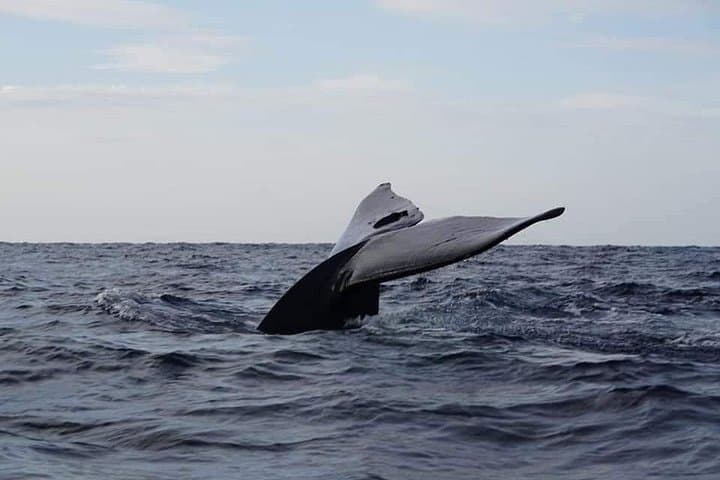
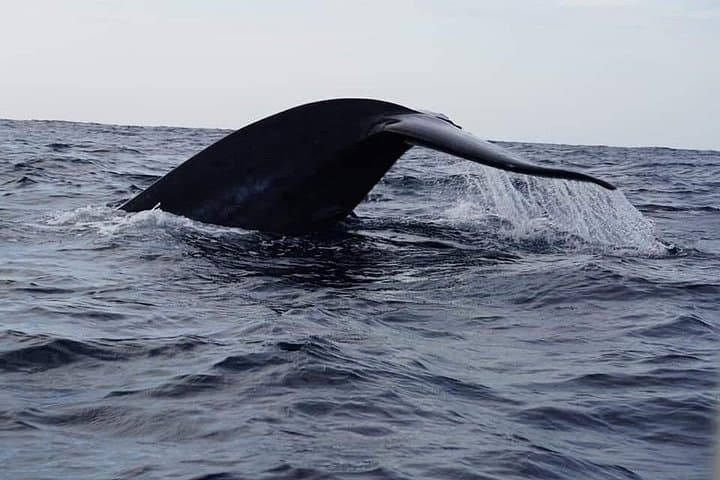
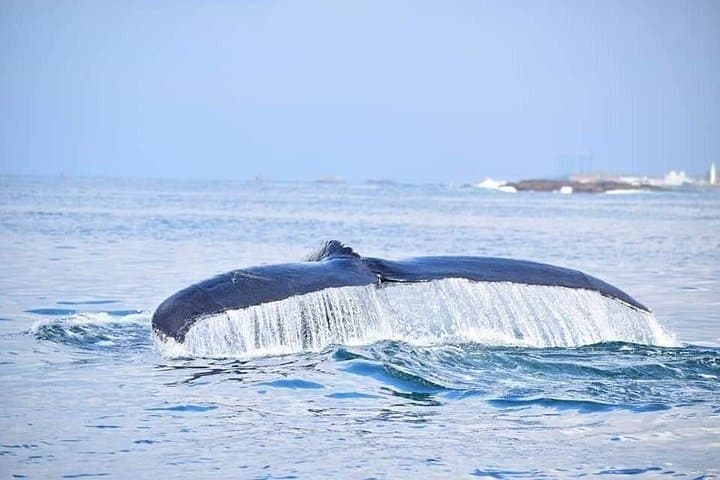
East of Trincomalee the seafloor drops quickly from the continental shelf, creating a corridor of deep water where blue whales and sperm whales pass on long migratory routes. Local fishing villages and the Koneswaram temple on Swami Rock give the coastline human texture—centuries of maritime trade and a living Tamil fishing culture frame the day’s outing.
Geology drives the show: underwater slopes and upwelling concentrate plankton and small fish, which in turn draw spinner dolphins and the occasional pod of pantropical spotted dolphins. Sightings peak between March–April and August–September, though dolphins appear reliably throughout much of the year.
Practical guidance: tours depart from Trincomalee harbor and typically run about three hours, with whale sightings most likely 6–8 nautical miles offshore (roughly a 30–45 minute ride). Operators provide life jackets and bottled water; bring sunscreen, a windproof layer, seasickness prevention if prone, and good binoculars or a telephoto lens.
Expect open-ocean conditions—choppy water, bright sun, and sudden, joyful bursts of spinner dolphins. Operators often cancel for safety in bad weather; respect those decisions. Keep distance if you encounter whales; let professionals direct any approach and avoid loud motors or abrupt maneuvers.
This is a straightforward, high-reward marine wildlife experience: sensory, brief, and anchored in a working port town whose history and geology explain why big animals pass this stretch of sea.
easy.
3 hours.
Suitable for most fitness levels; ability to move on a rolling boat and climb modest ladders is helpful
Tours are about three hours and typically travel 6–8 nautical miles east of Trincomalee, roughly a 30–45 minute ride depending on conditions.
Spinner dolphins are commonly seen (high probability); blue and sperm whales have a good seasonal chance—operators estimate around 50% for whales and up to 90% for dolphins at peak times.
Operators provide life jackets for all guests and the listing indicates the boat is fully insured; always confirm safety briefings before departure.
Notify crew immediately; sit mid-ship where motion is less, focus on the horizon, and use provided remedies or OTC medication if available.
Trincomalee has been a strategic deep-water port for centuries, with Hindu temples and colonial sites reflecting a layered maritime history.
Operators should follow local guidelines to avoid stressing whales; carry out trash and avoid single-use plastics—marine debris and noise impact cetacean behavior.
Pigeon Island Tours operates guided outdoor trips and adventures with an emphasis on safety, stewardship, and memorable experiences.
The boat slips off the breakwater before sunrise, the harbor lights shrinking behind you and the open Indian Ocean laying out a wide, moving horizon.
The boat slips off the breakwater before sunrise, the harbor lights shrinking behind you and the open Indian Ocean laying out a wide, moving horizon.
East of Trincomalee the seafloor drops quickly from the continental shelf, creating a corridor of deep water where blue whales and sperm whales pass on long migratory routes. Local fishing villages and the Koneswaram temple on Swami Rock give the coastline human texture—centuries of maritime trade and a living Tamil fishing culture frame the day’s outing.
Geology drives the show: underwater slopes and upwelling concentrate plankton and small fish, which in turn draw spinner dolphins and the occasional pod of pantropical spotted dolphins. Sightings peak between March–April and August–September, though dolphins appear reliably throughout much of the year.
Practical guidance: tours depart from Trincomalee harbor and typically run about three hours, with whale sightings most likely 6–8 nautical miles offshore (roughly a 30–45 minute ride). Operators provide life jackets and bottled water; bring sunscreen, a windproof layer, seasickness prevention if prone, and good binoculars or a telephoto lens.
Expect open-ocean conditions—choppy water, bright sun, and sudden, joyful bursts of spinner dolphins. Operators often cancel for safety in bad weather; respect those decisions. Keep distance if you encounter whales; let professionals direct any approach and avoid loud motors or abrupt maneuvers.
This is a straightforward, high-reward marine wildlife experience: sensory, brief, and anchored in a working port town whose history and geology explain why big animals pass this stretch of sea.