THE ADVENTURE COLLECTIVE® · Independent discovery and booking for outdoor travel

A compact three-day tour from Colombo that pairs Nilaveli’s wide, shallow beaches and water-sport options with the cultural landmarks of Trincomalee and a transfer toward Dambulla. Expect coastal geology, Hindu temples, and practical travel logistics for a relaxed island itinerary.
A compact three-day tour from Colombo that pairs Nilaveli’s wide, shallow beaches and water-sport options with the cultural landmarks of Trincomalee and a transfer toward Dambulla. Expect coastal geology, Hindu temples, and practical travel logistics for a relaxed island itinerary.
The day opens with salt on your lips and the long curve of Nilaveli beach stretching toward a pale horizon — waves push and pull like an invitation as the morning light plates the sand.
Verified experiences and guided adventures in the surrounding area.
Operated by Ceylon Travel Dream · Trincomalee, Eastern Province
The day opens with salt on your lips and the long curve of Nilaveli beach stretching toward a pale horizon — waves push and pull like an invitation as the morning light plates the sand.
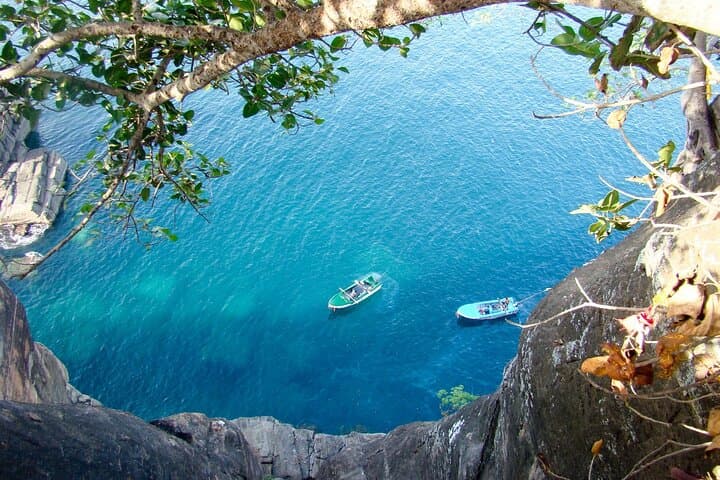
This three-day route moves between Trincomalee’s working port and Nilaveli’s broad, shallow shorelines, with a cultural stop at Sri Thirukoneshwaram Temple and an optional transfer toward Dambulla on the return. Geologically, the east coast is a low-lying coral and sandstone fringe; booted walks give way quickly to reef sand and ankle-deep water where currents expose dark rock and scattered sea grass.
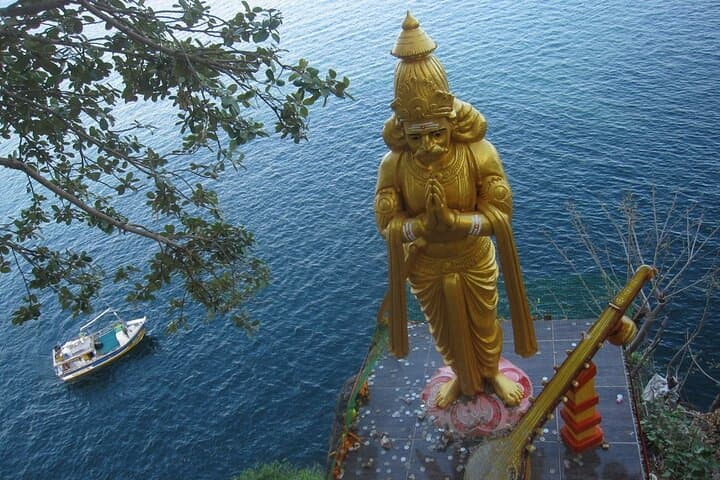
Trincomalee’s history is layered: an ancient Tamil port with Hindu shrines, colonial forts, and a harbor that has served traders for millennia. Local culture centers on coastal fishing communities and temple festivals; expect to hear drumming and see colorful offerings if your visit aligns with religious observances.
Practical guidance: the tour is largely road- and beach-based with light walking. Bring reef-safe sunscreen, a hat, and a dry bag for phones; basic swimming competence is recommended for optional water sports. Travel times between Colombo and Trincomalee run several hours each way — plan rest stops and carry snacks and water. Mornings are cooler and calmer for boat trips and snorkeling; afternoons can bring onshore winds that roughen the sea.
Timing your visit during the drier months (May–September on the east coast) increases the odds of calm water and clear visibility. Respect temple dress codes, keep to marked swimming areas, and leave shells and coral where you find them — the coast recovers slowly.
moderate.
3 days.
Suitable for travelers in average fitness; able to handle long drives, light beach walking, and optional water activities.
Expect roughly 6–7 hours by road depending on traffic and stops; the tour includes long transfer segments between cities.
The itinerary allows time for beach and water sports at Nilaveli, but specific activities may be optional and charged locally depending on providers.
Yes—dress modestly: cover shoulders and knees; women often bring a shawl and men should avoid shorts for shrine access.
Yes—the tour is rated easy to moderate and suitable for most ages, but be prepared for lengthy vehicle transfers and some sun exposure.
Trincomalee has been a strategic port for centuries, with Hindu temples and colonial-era forts reflecting layers of maritime trade and religious practice.
Coastal coral and reef communities are fragile—avoid collecting shells or stepping on reef, and choose operators that use reef-safe practices.
Ceylon Travel Dream operates guided outdoor trips and adventures with an emphasis on safety, stewardship, and memorable experiences.
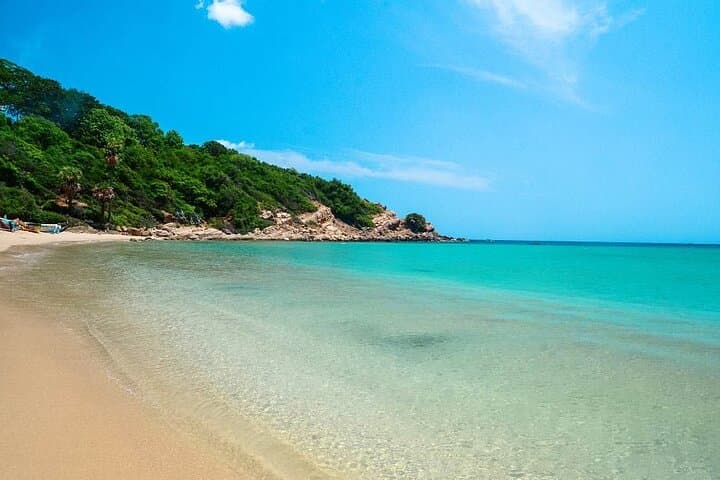
The day opens with salt on your lips and the long curve of Nilaveli beach stretching toward a pale horizon — waves push and pull like an invitation as the morning light plates the sand.
The day opens with salt on your lips and the long curve of Nilaveli beach stretching toward a pale horizon — waves push and pull like an invitation as the morning light plates the sand.
This three-day route moves between Trincomalee’s working port and Nilaveli’s broad, shallow shorelines, with a cultural stop at Sri Thirukoneshwaram Temple and an optional transfer toward Dambulla on the return. Geologically, the east coast is a low-lying coral and sandstone fringe; booted walks give way quickly to reef sand and ankle-deep water where currents expose dark rock and scattered sea grass.
Trincomalee’s history is layered: an ancient Tamil port with Hindu shrines, colonial forts, and a harbor that has served traders for millennia. Local culture centers on coastal fishing communities and temple festivals; expect to hear drumming and see colorful offerings if your visit aligns with religious observances.
Practical guidance: the tour is largely road- and beach-based with light walking. Bring reef-safe sunscreen, a hat, and a dry bag for phones; basic swimming competence is recommended for optional water sports. Travel times between Colombo and Trincomalee run several hours each way — plan rest stops and carry snacks and water. Mornings are cooler and calmer for boat trips and snorkeling; afternoons can bring onshore winds that roughen the sea.
Timing your visit during the drier months (May–September on the east coast) increases the odds of calm water and clear visibility. Respect temple dress codes, keep to marked swimming areas, and leave shells and coral where you find them — the coast recovers slowly.