THE ADVENTURE COLLECTIVE® · Independent discovery and booking for outdoor travel

Head out from Trincomalee Harbour at dawn to watch acrobatic spinner dolphins and, in season, the surfacing of blue and sperm whales. This early-morning boat trip focuses on responsible viewing backed by experienced local crews.
Head out from Trincomalee Harbour at dawn to watch acrobatic spinner dolphins and, in season, the surfacing of blue and sperm whales. This early-morning boat trip focuses on responsible viewing backed by experienced local crews.
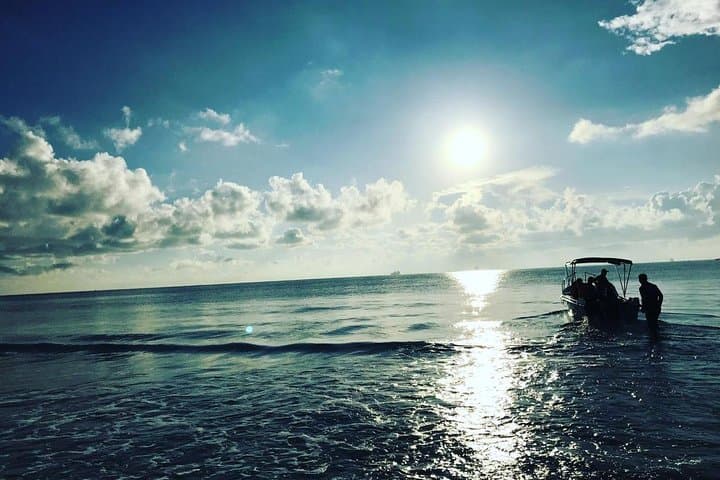
Dawn breaks cool over Trincomalee Harbour and the boat slips free of the quay, engines low and conversations hushed.
Verified experiences and guided adventures in the surrounding area.
Operated by Sri Lanka Day Tours · Trincomalee, Eastern Province
Dawn breaks cool over Trincomalee Harbour and the boat slips free of the quay, engines low and conversations hushed.
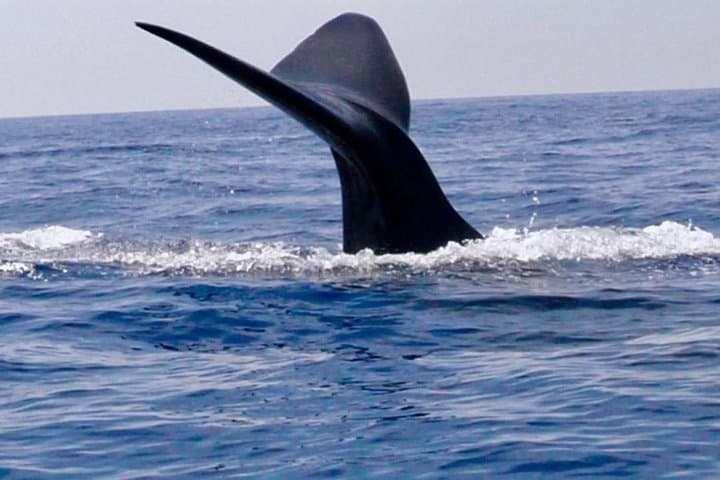
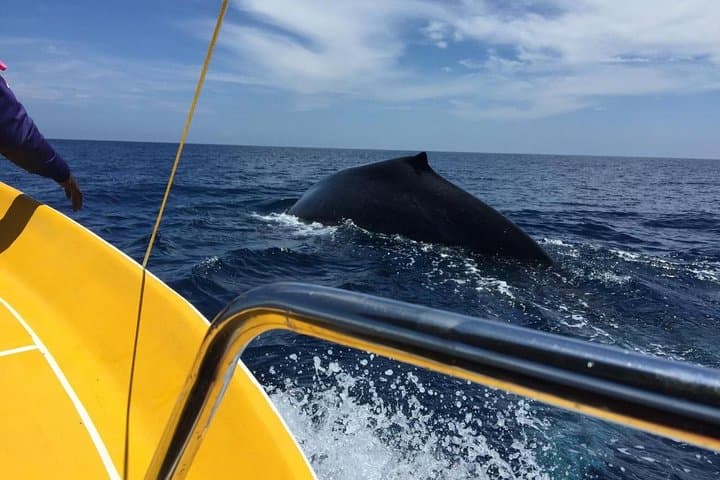
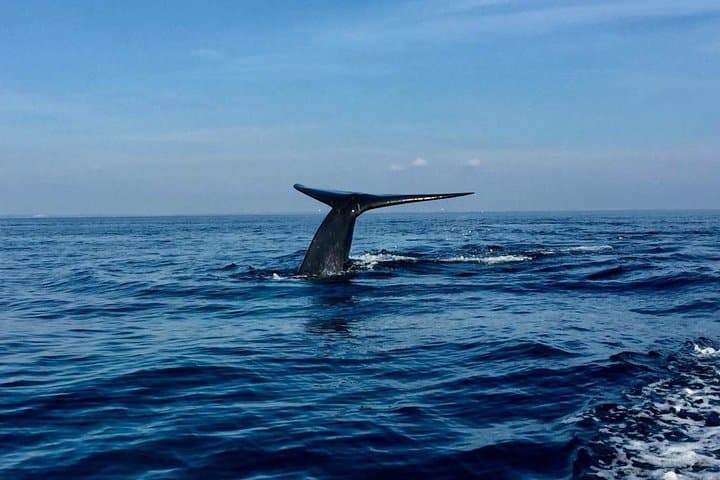
Within twenty minutes the shoreline thins, and the open ocean takes over—blue water stretching toward a horizon that often teems with life. Spinner dolphins are the first to show off: arcing through wakes, spinning in unison, their curiosity daring you closer. Between March and May, those early hours can reward you with the slow, surfacing breath of a blue whale or the blunt head of a sperm whale; from May to September, dolphin super pods are reliably present.
Trincomalee’s deep natural harbor has been a maritime crossroads for millennia, touched by South Indian, Arab and colonial traders; its steep headlands and offshore canyons create currents that funnel food and draw large marine mammals nearer to shore. The coastline near Pigeon Island supports coral reefs and sea turtles, and local crews combine experience with on-the-water etiquette to minimize disturbance.
Practical notes: departures are early (around 5:45 a.m.) to hit the calmest sea and best light; trips typically last about two hours and include lifejackets and bottled water. Wear sun protection, bring a light wind layer for the open sea, and consider seasickness medication if you’re sensitive—the boat ride can be bouncy. Respect crew guidance on approach distances and photography; sightings are seasonal and never guaranteed, but skilled local skippers maximize your chances while prioritizing animal welfare.
easy.
2 hours.
Low fitness required—ability to board a small boat and stand for up to two hours is enough.
Spinner dolphins are most abundant May–September; blue and sperm whales are most often seen March–May, though sightings are never guaranteed.
Lifejackets for all sizes are provided; trips accept families but infants must sit on an adult’s lap and operators may restrict participation for very young children.
Operators may cancel or delay for safety; check the cancellation policy and arrive with flexible plans—full refunds are typically offered with 24-hour cancellation windows.
These excursions focus on wildlife viewing and usually do not include snorkeling stops; check the specific itinerary if you want reef time or a Pigeon Island visit.
Trincomalee’s deep natural harbour has served as a strategic port for centuries, with ancient Tamil temples and colonial forts marking its maritime past.
High boat traffic and coastal development stress marine habitats; choose operators that follow distance guidelines and avoid chasing animals to reduce disturbance.
Sri Lanka Day Tours operates guided outdoor trips and adventures with an emphasis on safety, stewardship, and memorable experiences.
Dawn breaks cool over Trincomalee Harbour and the boat slips free of the quay, engines low and conversations hushed.
Dawn breaks cool over Trincomalee Harbour and the boat slips free of the quay, engines low and conversations hushed.
Within twenty minutes the shoreline thins, and the open ocean takes over—blue water stretching toward a horizon that often teems with life. Spinner dolphins are the first to show off: arcing through wakes, spinning in unison, their curiosity daring you closer. Between March and May, those early hours can reward you with the slow, surfacing breath of a blue whale or the blunt head of a sperm whale; from May to September, dolphin super pods are reliably present.
Trincomalee’s deep natural harbor has been a maritime crossroads for millennia, touched by South Indian, Arab and colonial traders; its steep headlands and offshore canyons create currents that funnel food and draw large marine mammals nearer to shore. The coastline near Pigeon Island supports coral reefs and sea turtles, and local crews combine experience with on-the-water etiquette to minimize disturbance.
Practical notes: departures are early (around 5:45 a.m.) to hit the calmest sea and best light; trips typically last about two hours and include lifejackets and bottled water. Wear sun protection, bring a light wind layer for the open sea, and consider seasickness medication if you’re sensitive—the boat ride can be bouncy. Respect crew guidance on approach distances and photography; sightings are seasonal and never guaranteed, but skilled local skippers maximize your chances while prioritizing animal welfare.