THE ADVENTURE COLLECTIVE® · Independent discovery and booking for outdoor travel

A guided, two‑day winter ascent of Slovenia’s highest peak that starts in Krma Valley and sleeps at the high Kredarica hut. Expect steep snowfields, crampon travel, and guided alpine exposure on Triglav’s summit ridge.
A guided, two‑day winter ascent of Slovenia’s highest peak that starts in Krma Valley and sleeps at the high Kredarica hut. Expect steep snowfields, crampon travel, and guided alpine exposure on Triglav’s summit ridge.
Snow compresses under each step and the Julian Alps turn the world monochrome — steel-gray ridgelines, a silver sky, and the warm glow of Kredarica hut high on the flanks of Triglav. This two-day winter ascent begins in the Krma Valley and moves steadily upward to Triglavski dom na Kredarici (approx. 2,515 m), where climbers sleep beneath the peak before a morning push for Slovenia’s highest point, Triglav (2,864 m).
Verified experiences and guided adventures in the surrounding area.
Operated by Altitude Activities · Bled, Upper Carniola
Snow compresses under each step and the Julian Alps turn the world monochrome — steel-gray ridgelines, a silver sky, and the warm glow of Kredarica hut high on the flanks of Triglav. This two-day winter ascent begins in the Krma Valley and moves steadily upward to Triglavski dom na Kredarici (approx. 2,515 m), where climbers sleep beneath the peak before a morning push for Slovenia’s highest point, Triglav (2,864 m).
The route crosses classic glacial-carved terrain: steep snowfields, wind-scoured ridges and occasional rocky outcrops. Triglav has long been a cultural emblem for Slovenians — its three peaks appear on flags and folklore — while the Julian Alps themselves are limestone and dolomite carved by ice and water over millennia. The Kredarica hut is one of the few winter‑open refuges in the range, maintained for weather monitoring and mountain safety.
Practical realities shape the climb: expect ~1,600 m of elevation gain from Krma to Kredarica, roughly 6 hours on day one depending on snow conditions, and a guided 2‑hour summit push on day two. In winter you’ll move on crampons or snowshoes and use an ice axe; a certified IFMGA guide leads the group and provides essential winter mountaineering equipment. Weather dictates timing — whiteouts and avalanche conditions can shorten or redirect plans.
Prepare with layered technical clothing, stiff‑soled mountaineering boots, and basic crampon/axe familiarity. Hydrate often, eat high‑calorie snacks, and arrive with recent winter-alpine experience: this is guided, but it’s still serious mountain travel. For many, standing on Triglav’s summit in winter is a rare, exacting achievement — austere, elemental and sharply memorable.
difficult.
2 days.
Strong cardiovascular fitness and leg endurance; comfortable with sustained uphill travel in winter conditions
Guides will assess fitness and basic skills; prior crampon/axe experience is strongly recommended because conditions can be technical.
The guiding company supplies a certified IFMGA guide, essential winter mountaineering equipment (often crampons/snowshoes), and transport from Bled to the trailhead.
Highly — heavy snowfall, wind, or avalanche risk can alter the itinerary; guides reserve the right to modify or cancel for safety.
Triglav’s summit (2,864 m) is moderate altitude, but rapid gain can cause symptoms; good fitness and hydration reduce risk.
Triglav is a national symbol of Slovenia and has been central to regional identity since the 19th century; alpine huts like Kredarica have long supported mountain science and rescue.
The Julian Alps are ecologically fragile; stick to established routes, pack out waste, and respect hut rules to minimize impact.
Altitude Activities operates guided outdoor trips and adventures with an emphasis on safety, stewardship, and memorable experiences.
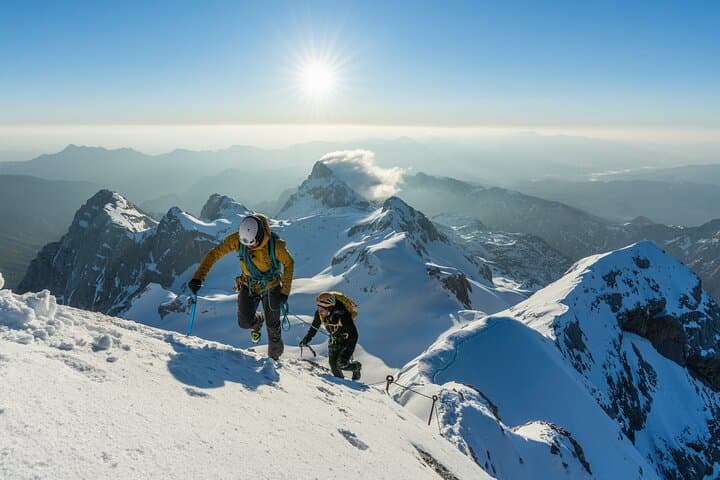
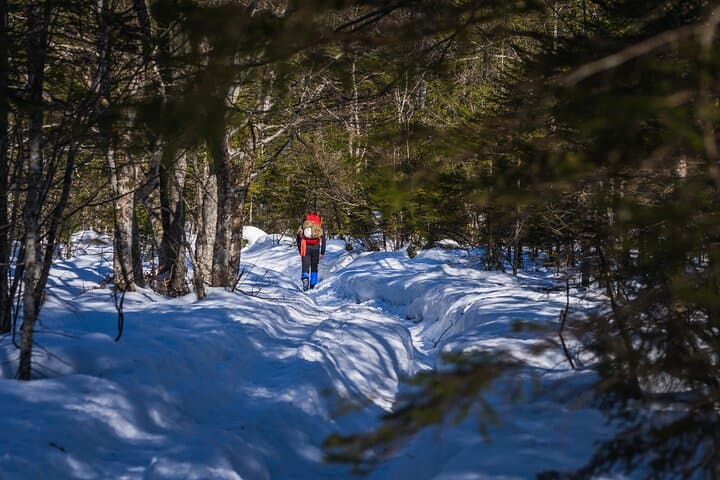
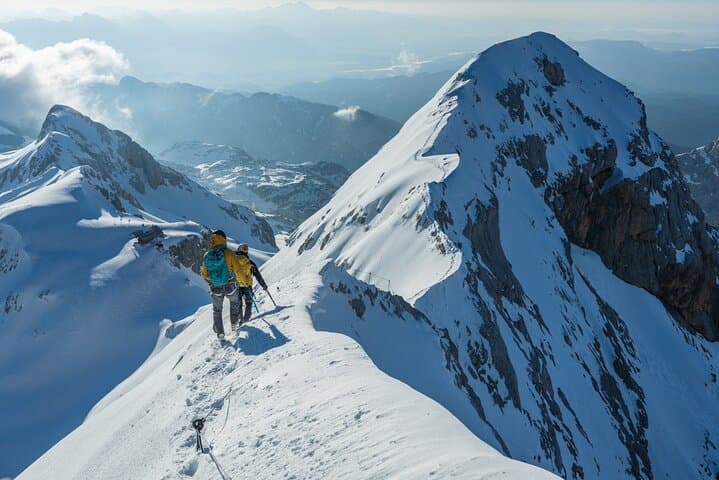
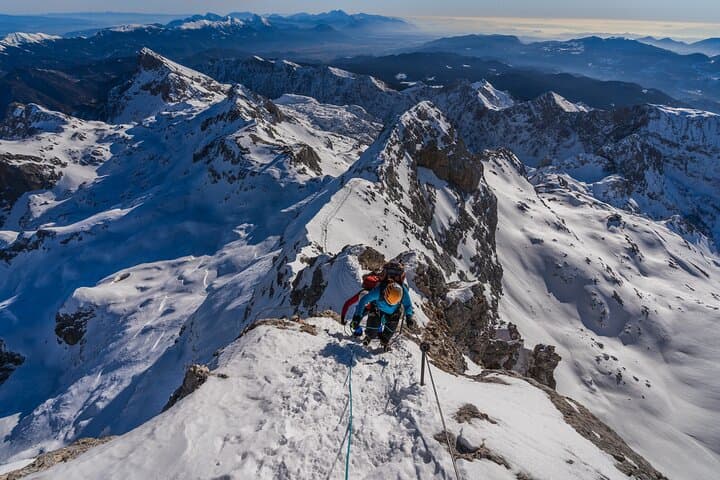
Snow compresses under each step and the Julian Alps turn the world monochrome — steel-gray ridgelines, a silver sky, and the warm glow of Kredarica hut high on the flanks of Triglav. This two-day winter ascent begins in the Krma Valley and moves steadily upward to Triglavski dom na Kredarici (approx. 2,515 m), where climbers sleep beneath the peak before a morning push for Slovenia’s highest point, Triglav (2,864 m).
Snow compresses under each step and the Julian Alps turn the world monochrome — steel-gray ridgelines, a silver sky, and the warm glow of Kredarica hut high on the flanks of Triglav. This two-day winter ascent begins in the Krma Valley and moves steadily upward to Triglavski dom na Kredarici (approx. 2,515 m), where climbers sleep beneath the peak before a morning push for Slovenia’s highest point, Triglav (2,864 m).
The route crosses classic glacial-carved terrain: steep snowfields, wind-scoured ridges and occasional rocky outcrops. Triglav has long been a cultural emblem for Slovenians — its three peaks appear on flags and folklore — while the Julian Alps themselves are limestone and dolomite carved by ice and water over millennia. The Kredarica hut is one of the few winter‑open refuges in the range, maintained for weather monitoring and mountain safety.
Practical realities shape the climb: expect ~1,600 m of elevation gain from Krma to Kredarica, roughly 6 hours on day one depending on snow conditions, and a guided 2‑hour summit push on day two. In winter you’ll move on crampons or snowshoes and use an ice axe; a certified IFMGA guide leads the group and provides essential winter mountaineering equipment. Weather dictates timing — whiteouts and avalanche conditions can shorten or redirect plans.
Prepare with layered technical clothing, stiff‑soled mountaineering boots, and basic crampon/axe familiarity. Hydrate often, eat high‑calorie snacks, and arrive with recent winter-alpine experience: this is guided, but it’s still serious mountain travel. For many, standing on Triglav’s summit in winter is a rare, exacting achievement — austere, elemental and sharply memorable.